North America Trailer, Site, and Utility Interface Brief
A field checklist for North America buyers reviewing trailer pairing, route access, site utilities, foundation approach, and local handoff ownership before choosing a cabin module.
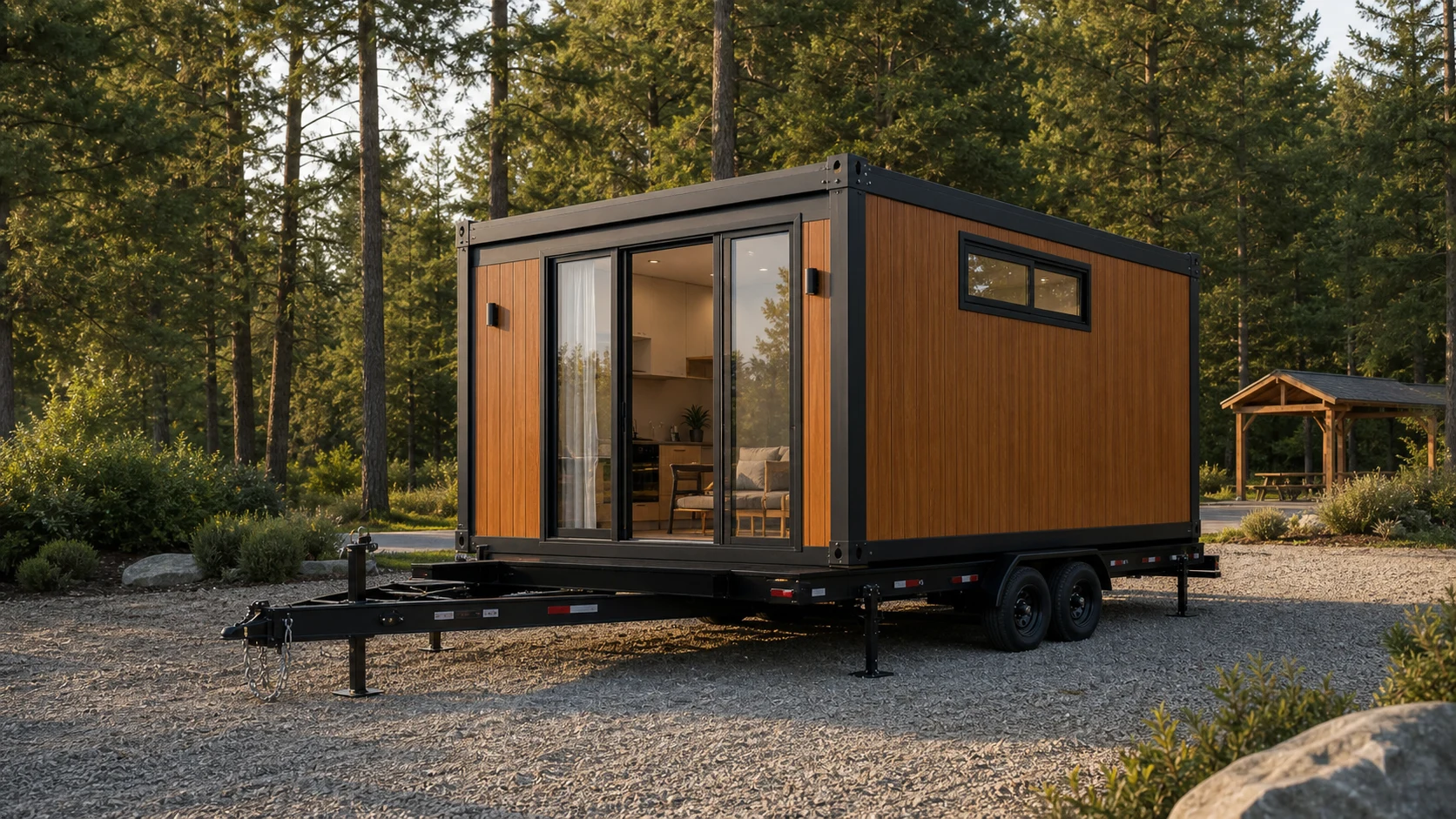
Confirm before moving forward
- The target cabin format and approximate finished size can pass through the intended road, gate, and placement path.
- Trailer, unloading, utility, foundation, and local inspection responsibilities have named owners.
- The buyer has enough site facts to request a model sheet, trailer-interface note, or quotation discussion.
Information to collect first
- Destination address, road access notes, gate width, slope or grade limits, turning areas, and unloading equipment plan.
- Expected power, water, wastewater, HVAC, internet, deck, drainage, and foundation requirements.
- Local trailer partner, site contractor, utility contractor, and authority-review contact if they are already known.
Important boundary
- Local transport, permits, hookups, and inspections remain open items until the buyer and local partners confirm them.
- The final trailer pairing, local route approval, utility tie-ins, and site execution still depend on the buyer and local partners.
- Send site facts and owner names before requesting tighter model sheets or quotation assumptions.
Practical Interface Matrix
Use this table to separate buyer inputs, factory support, and local-owner confirmation before the project moves deeper.
| Topic | Buyer input | Factory support | Local owner |
|---|---|---|---|
| Module format and road envelope | Preferred model family, target room use, destination state/province, known width or height constraints. | Model dimensions, finished-weight range, image references, and base-interface notes for shortlisted formats. | Buyer, trailer partner, and local transport reviewer confirm road legality and movement limits. |
| Trailer pairing and attachment logic | Trailer type under consideration, coupler or chassis assumption, axle/load rating, and whether the trailer is buyer-supplied locally. | Interface discussion notes, module base references, and questions for the local trailer fabricator or dealer. | Trailer fabricator, dealer, or engineer confirms final trailer design, attachment, brakes, lighting, and registration path. |
| Route, arrival, and unloading path | Road class, entrance width, turning radius, overhead obstacles, grade, weather exposure, crane/forklift access, and staging area. | Packing size, handling notes, unloading assumptions, and questions that affect shipment or delivery planning. | Local transport provider and site contractor approve access, traffic control, lift plan, and final placement method. |
| Utility entry and field hookups | Power service, water source, wastewater route, HVAC preference, internet/control needs, and distance from service points. | Utility stub locations, option notes, system questions, and model-specific coordination points. | Licensed local utility contractors confirm connection method, code path, inspection, and service capacity. |
| Foundation, drainage, and final placement | Pad type, frost or soil concern, drainage direction, deck/interface plan, anchoring expectation, and future relocation need. | Base dimensions, support-point notes, weight references, and product-side constraints. | Local engineer or contractor confirms foundation, drainage, anchoring, deck, and final inspection requirements. |
Minimum site facts before asking for a tighter model sheet
- Destination, intended use, target occupancy, and whether the module is guest-facing, staff-facing, or owner-use.
- Photos or sketches of entrance, driveway, staging area, utility points, and final placement zone.
- Known local partner names or open gaps for trailer, transport, utility, foundation, and inspection work.
Do not treat as solved until locally confirmed
- Road permit, trailer registration, oversize movement, and state/province transport rules.
- Utility code compliance, inspections, septic or wastewater acceptance, and local connection approvals.
- Foundation design, snow/wind/drainage requirements, guest occupancy approval, and site operating permits.
How to use this checklist before model commitment
Start by marking each matrix row as known, unknown, or locally owned. If route access, trailer pairing, utility entry, or foundation approach is still unknown, keep the discussion at shortlist level instead of requesting a final quotation.
Once the missing owners are named, send the site facts with photos or sketches. That lets the model review focus on realistic dimensions, utility locations, and delivery constraints instead of generic product preference.
What MK can support versus what stays local
MK can support model references, dimensional information, utility-location discussion, packing logic, and questions for local partners. Those materials help the buyer organize a better technical conversation.
MK does not replace the local trailer designer, transport provider, engineer, utility contractor, or permitting authority. Their decisions remain the controlling path for road movement, hookups, inspection, and field execution.
When to move into a pack or quotation discussion
Move to the trailer-interface planning note when trailer ownership and route constraints are clearer. Move to the intake checklist when the buyer still needs to gather quantity, use case, utility, and partner information.
Move toward quotation only after the model shortlist, destination, quantity, option direction, and local-scope responsibilities are specific enough to price without hiding major field-side assumptions.
Related resources
Use these guides and packs with the brief when the project question becomes more specific.
Related public guides
North America Cabin Project Planning Guide
A practical planning page for trailer-ready cabin projects covering site fit, partner scope, utilities, route access, and local review boundaries.
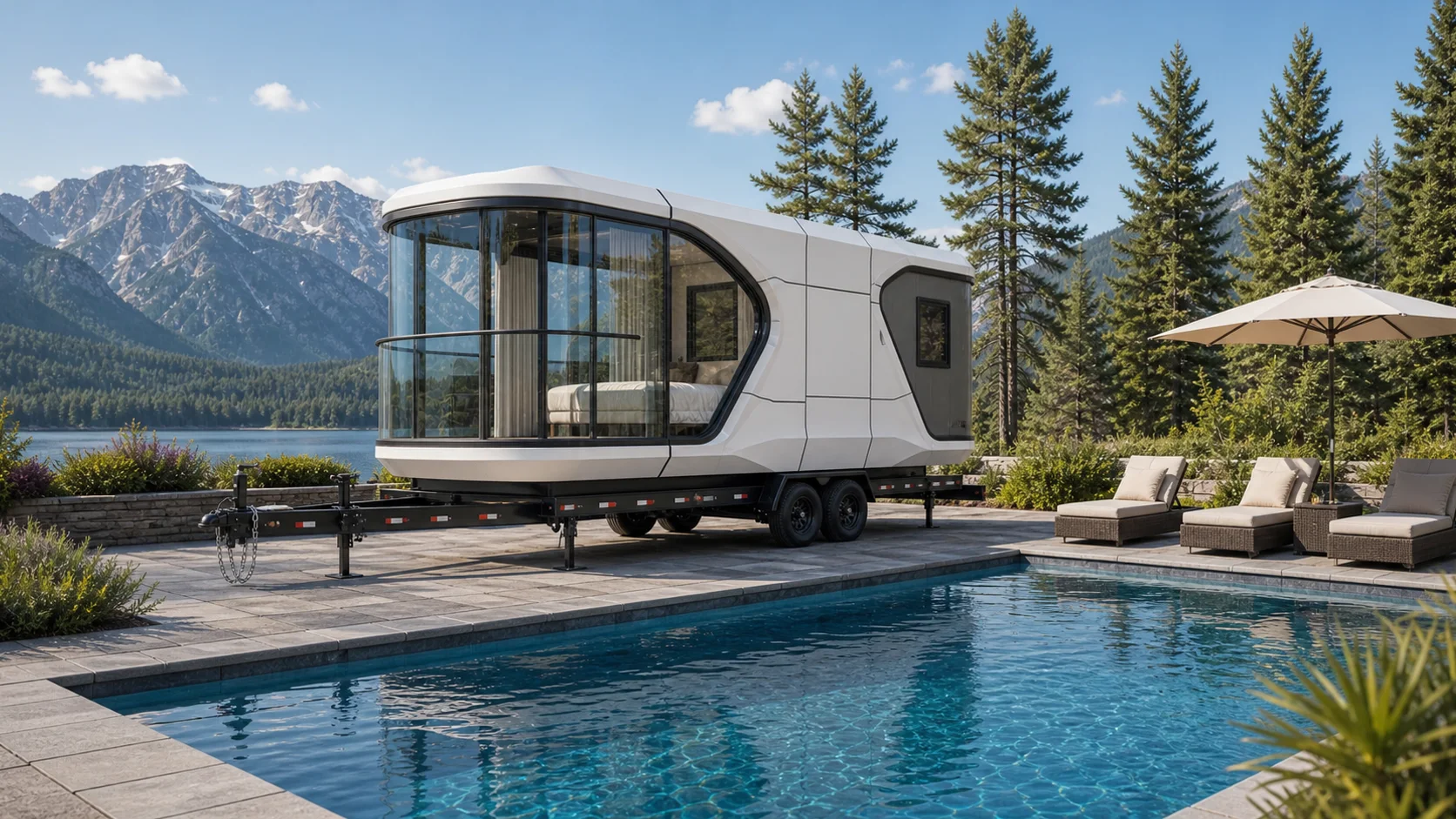
RV Park Cabin Operations Starter Guide
A starter guide for owners adding cabin inventory to RV parks, with focus on guest flow, owner controls, service routes, laundry, and operating discipline.
Related packs
North America trailer-interface planning note
A discussion note for trailer pairing, route limits, site utility planning, and local review responsibilities.
B2B project intake checklist
A practical checklist for quantity, destination, use case, utility scope, customization, schedule, and local partners.
Installation readiness checklist
Foundation, access, lifting, utility connection, inspection, and handover topics for local partners.
More site facts make the model review more specific.
Send the location, use case, quantity, utilities, and known local partners so the review can focus on site conditions, execution scope, and delivery.