Typical Early-Stage Project Pack
A buyer checklist for turning early interest into a usable project file: model direction, quantities, destination, utilities, shipment assumptions, and local-scope boundaries.
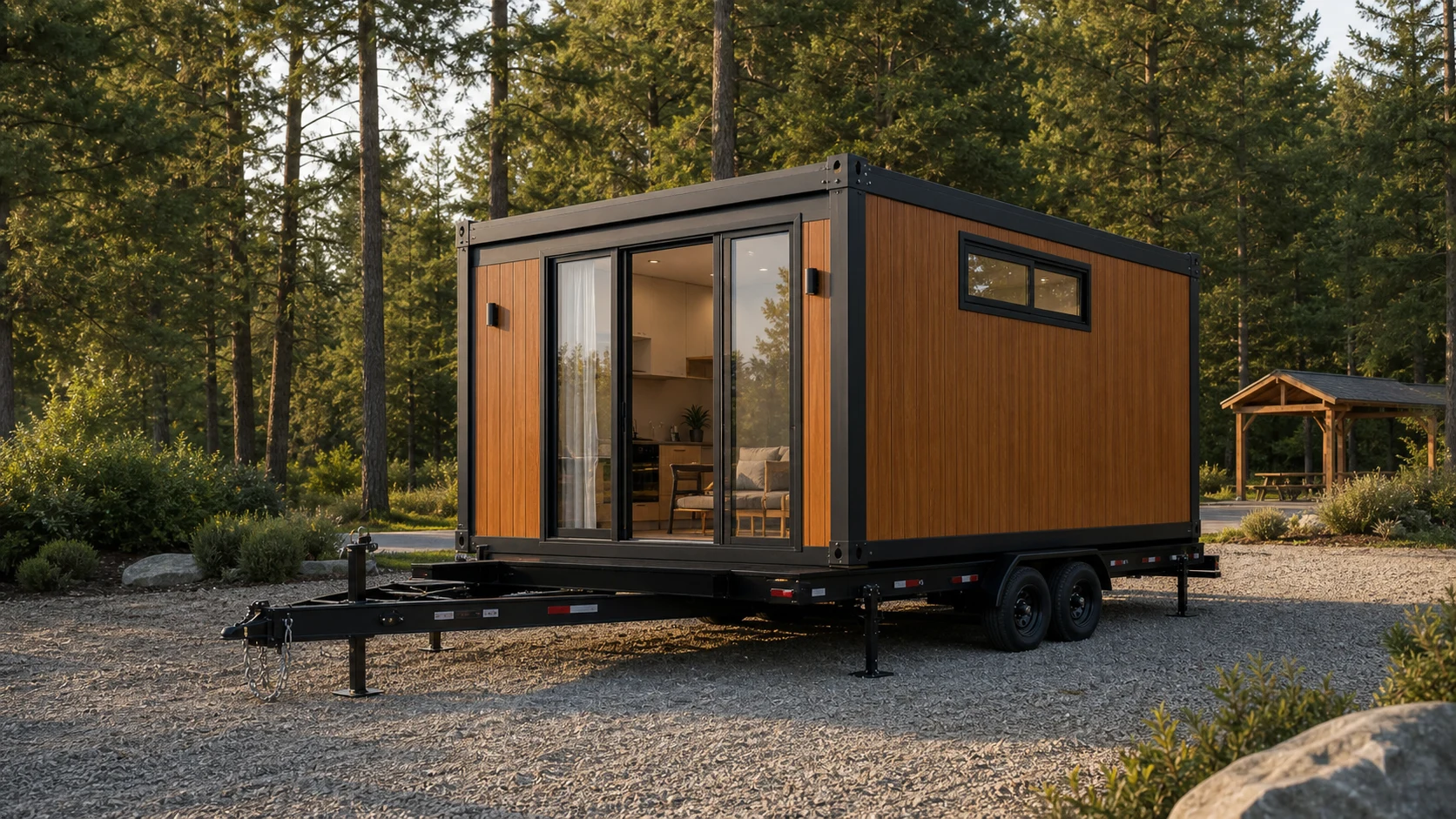
Open this pack when
- The buyer can name the use case, destination market, target quantity, and preferred product families.
- Local partners need dimensions, utility entry assumptions, loading notes, or a first responsibility map.
- The inquiry needs to move from product images into a short project file that can be reviewed by procurement, operations, or installers.
Inputs to include
- Preferred model families, quantity range, intended use, target delivery market, and project schedule.
- Available site information: road access, placement zone, power, water, drainage, HVAC, and internet assumptions.
- Named or missing owners for trailer, transport, site work, utility tie-ins, inspections, and local approvals.
- Questions that must be answered before selected-model sheets or quotation assumptions are prepared.
Important boundary
- The pack does not confirm local approval, road legality, utility acceptance, inspections, or final engineering sign-off.
- Buyer-side partners still own transport review, site work, utility tie-ins, authority contact, and field execution.
- Do not request quotation assumptions until destination, quantity, option direction, and open local responsibilities are visible.
Minimum project file
Prepare one short file with buyer type, target market, use case, quantity range, preferred product families, destination, and target timing. Add photos or sketches if the site already exists.
Mark each open item as factory support, buyer decision, or local partner responsibility. This keeps local trailer, transport, utility, site, and authority work visible before the shortlist is narrowed.
Information that changes the model recommendation
Road limits, gate width, crane or forklift access, utility distance, drainage, expected occupancy, climate, privacy needs, and maintenance access can all change which model family is practical.
If those facts are unknown, keep the recommendation at category level and collect the missing inputs before asking for dimensions, options, or price assumptions.
Output after the first review
The useful output is a narrower shortlist, a list of missing site facts, and a responsibility map for factory supply, buyer decisions, local partners, and authority review.
Once those items are visible, selected-model sheets, trailer notes, utility/HVAC notes, or a custom specification package can be prepared against real project assumptions.
Related resources
Use these guides or packs when the project needs a more detailed next step.
Related public guides
North America Cabin Project Planning Guide
A practical planning page for trailer-ready cabin projects covering site fit, partner scope, utilities, route access, and local review boundaries.

RV Park Cabin Operations Starter Guide
A starter guide for owners adding cabin inventory to RV parks, with focus on guest flow, owner controls, service routes, laundry, and operating discipline.

Saudi Camp Support Systems Guide
A practical guide for phased Saudi camp planning covering sanitation, dining, prayer support, shaded circulation, and support-space sequencing.
Related packs
B2B project intake checklist
A practical checklist for quantity, destination, use case, utility scope, customization, schedule, and local partners.
Utility and HVAC option brief
Electrical, plumbing, HVAC, drainage, and project-specific equipment questions prepared for coordination.
Packing and loading reference
Shipment-planning notes covering packaging, loading logic, and container use by model and quantity.
Turn the open information into a tighter review file.
Send the market, models, quantity, site, and open local items so they can become a tighter review pack or inquiry brief.