The most important details may not appear in the hero image
Resort renderings focus on guest rooms, views, pools, terraces, and dramatic arrival moments. In Saudi resort planning, some of the most important decisions are less photogenic: shade, privacy, service corridors, maintenance access, staff routes, waste movement, and dust control.
These details decide whether modular guest areas feel calm or improvised. A beautiful room can still fail if the path to it is exposed, if service movement interrupts privacy, or if heat makes outdoor space unusable during much of the day.
Shade is spatial infrastructure
Shade is often treated as an accessory added after the buildings are placed. In hot climates, it should be treated as infrastructure. It shapes how people walk, where they wait, which outdoor spaces can be used, and how long guests remain comfortable outside.
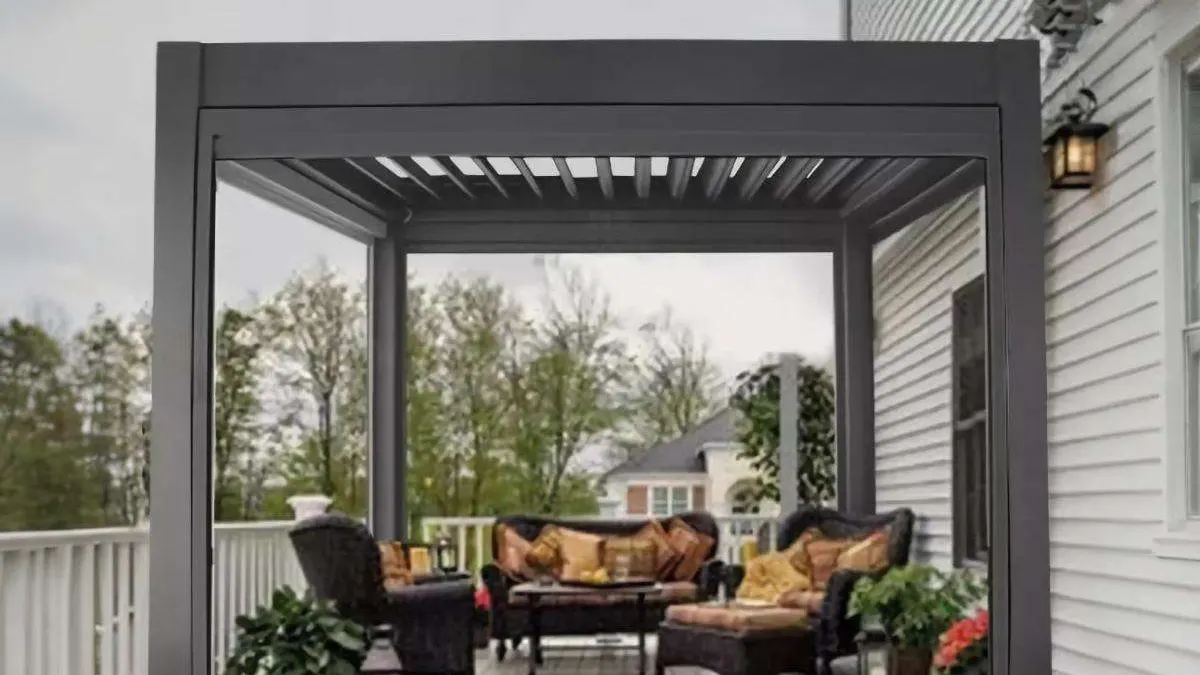
Shade planning includes canopies, pergolas, building orientation, landscape, roof overhangs, waiting areas, service pauses, and staff rest points. It is not only for guests. Staff movement also needs shade if the resort wants service to remain consistent.
Privacy is about angles, not just walls
Privacy in resort planning is often discussed through screens and fences. Those help, but geometry matters more. Door direction, window placement, porch orientation, service-road position, staff shortcuts, and neighboring unit angles all affect whether a guest feels observed.
A modular resort zone can protect privacy if units are repeated intelligently. Repetition does not have to mean sameness. Small rotations, planted edges, staggered entries, and controlled service corridors can make repeatable units feel personal.
Service corridors protect the guest promise
A service corridor is not simply a hidden road. It is the system that allows housekeeping, maintenance, waste handling, food delivery, security, and emergency response to happen without disturbing the guest world.
If service movement is not planned, staff will invent paths. Those shortcuts may cross guest terraces, view corridors, or quiet zones. Good service corridors protect both efficiency and hospitality mood.
Modules need transitions
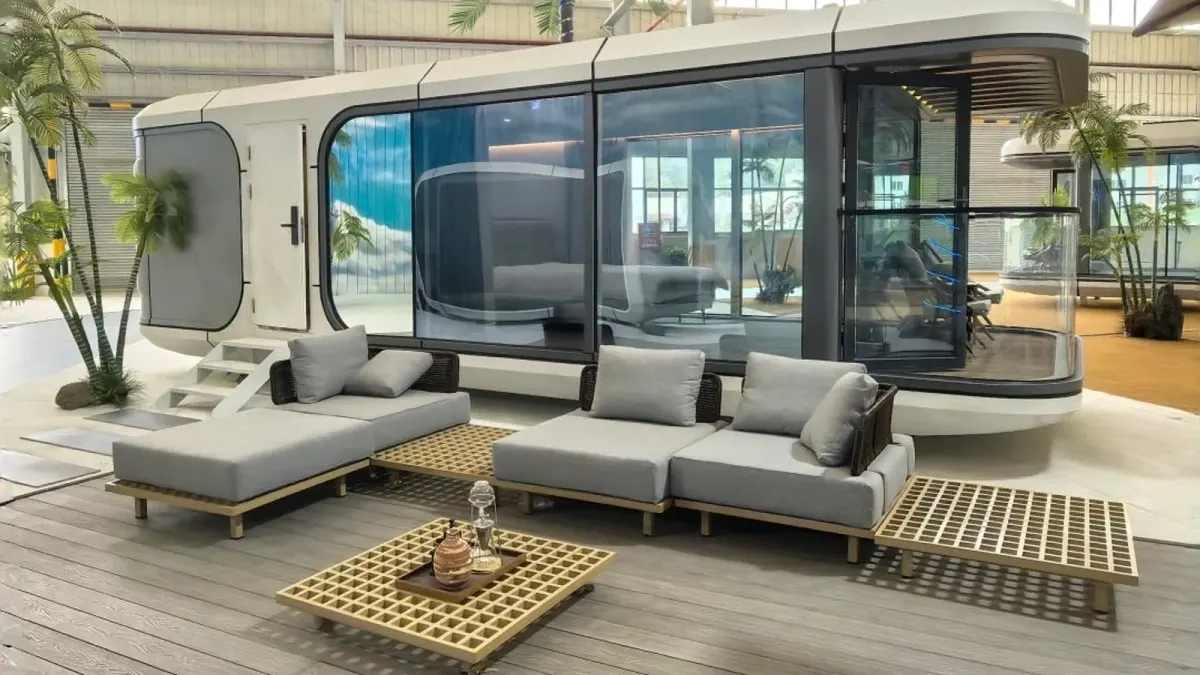
The space between modules may matter as much as the modules. Entry decks, shaded thresholds, dust-control mats, small courtyards, privacy screens, and utility access panels all shape the daily experience.
In a Saudi resort context, transition spaces can soften the move from climate-controlled interior to hot exterior. They also give staff places to work without exposing maintenance activity to guests.
Cultural comfort is part of the site plan
Privacy in Saudi resort planning is not only a luxury preference. It can be part of cultural comfort, family travel, gender-sensitive movement, prayer access, and the way guests understand hospitality. A plan that treats privacy as decoration may miss the deeper reason it matters.
This does not require every unit to become isolated. It requires thoughtful gradients: public arrival, semi-private paths, private terraces, screened service access, and guest rooms that do not expose one family to another by accident.
Maintenance needs dignity too
Service corridors are often described as ways to hide work from guests. That is only half the story. They also give staff a dignified way to work: shaded routes, reasonable walking distances, safe utility access, and places to pause without standing in guest-facing heat.
When staff movement is designed respectfully, service quality improves. The guest may never see the corridor, but they feel its effect through faster response, cleaner spaces, and fewer interruptions.
The practical takeaway
Saudi resort modules should not be planned as isolated objects. They should be planned as a field of rooms, shade, privacy, service, utilities, and movement. The quiet details create the feeling of quality.
For developers, the useful test is simple: can guests move, rest, and feel private while staff serve the site efficiently and respectfully? If yes, the modular plan is starting to behave like hospitality, not just construction.