Outdoor space is only valuable when it can be used
A resort may have terraces, decks, paths, and courtyards, but in hot climates those spaces need shade before they become true guest assets. Without shade, the outdoor area becomes a photo point used briefly rather than a living part of the stay.
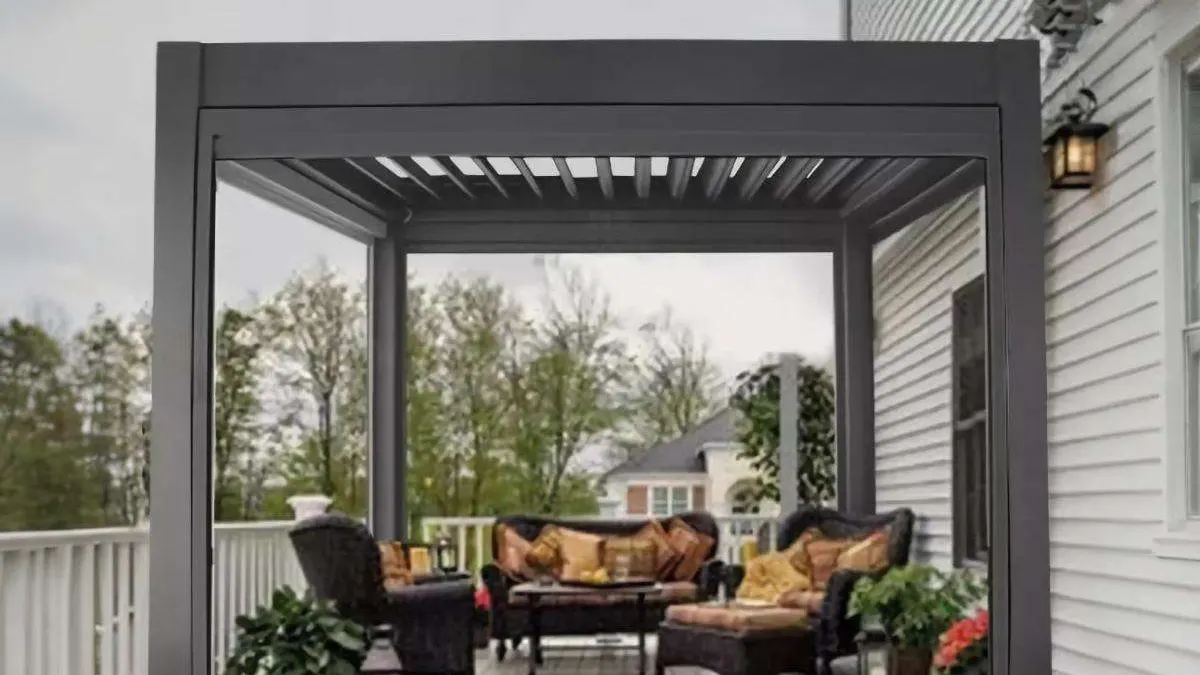
Pergolas and canopies should therefore be planned as infrastructure. They shape walking routes, waiting areas, outdoor dining, family privacy, staff pauses, and the relationship between guest rooms and landscape.
Shade changes time
The same outdoor space can be useless at noon and valuable in the evening. Good shade planning stretches usable hours. It considers sun angle, reflected heat, wind, lighting, and where people naturally pause. A canopy over the wrong path may look good in a rendering but fail in daily movement.
Privacy and shade often work together
In Middle East resorts, shade devices can also create privacy gradients. A pergola can soften a terrace edge. A canopy can protect a family waiting area. A screen can reduce sight lines while still allowing air movement. These elements should be planned together instead of added separately.
Service routes need shade too
Shade is not only for guests. Staff carrying linen, food, tools, or cleaning supplies also move through heat. If every staff route is exposed, service slows and fatigue rises. A resort that wants smooth hospitality should protect the working paths as carefully as the guest paths.
Drainage, dust, and lighting decide long-term value
Shade structures interact with rain runoff, dust collection, night lighting, maintenance access, and wind. A canopy that traps heat or dust can become a maintenance problem. A pergola without lighting may disappear from the guest experience after sunset.
The durable plan treats shade as a small building system, not a decorative accessory.
The stronger design question
The question is not "which pergola looks best?" It is "which shaded sequence makes the resort easier to use?" If the answer improves arrival, privacy, dining, staff movement, and outdoor comfort, the shade system is doing real work.
A shaded sequence is stronger than a shaded object
The most successful desert resorts do not only place isolated shade structures. They create a sequence: arrival shade, waiting shade, dining shade, walking shade, service shade, and private terrace shade. Guests feel the difference because the whole journey becomes usable.
This sequence thinking also prevents overdesign. Some areas need solid protection. Others need filtered light and airflow. The right answer changes as guests move through the site.
Shade should be tested by the guest journey
A useful shade plan can be walked as a story. Where does the guest arrive? Where do they pause with luggage? Where do children wait? Where does a family sit before dinner? Where does a staff member stand while service is prepared? If the shaded points do not match that journey, the resort may have beautiful objects in the wrong places.
This is why mockups, sun-path review, and operational walkthroughs are valuable before final procurement.
Modular outdoor comfort needs maintenance logic
Pergolas, canopies, and shade structures live outdoors. They collect dust, face wind, need drainage, require cleaning access, and may carry lighting or motors. A desert resort should decide who maintains them, how often they are cleaned, what happens during strong wind, and how replacement parts are reached.
An outdoor comfort system that cannot be maintained quietly will eventually interrupt the guest experience it was meant to improve.
Shade is movement infrastructure
In a desert resort, shade is not only a place to sit. It is how guests move between rooms, restaurants, pools, prayer areas, parking, and service points. A shaded path can change whether a distance feels acceptable at midday.
Pergolas and canopies should therefore be planned as a movement network. The best shade strategy connects moments rather than decorating isolated corners.