The phrase EV-ready can outrun the site
EV-ready sounds simple, but guests may hear it as a guarantee. They may expect available chargers, predictable speed, clear pricing, and enough power during busy periods. If the site only means "we may add charging later," the phrase can create disappointment.
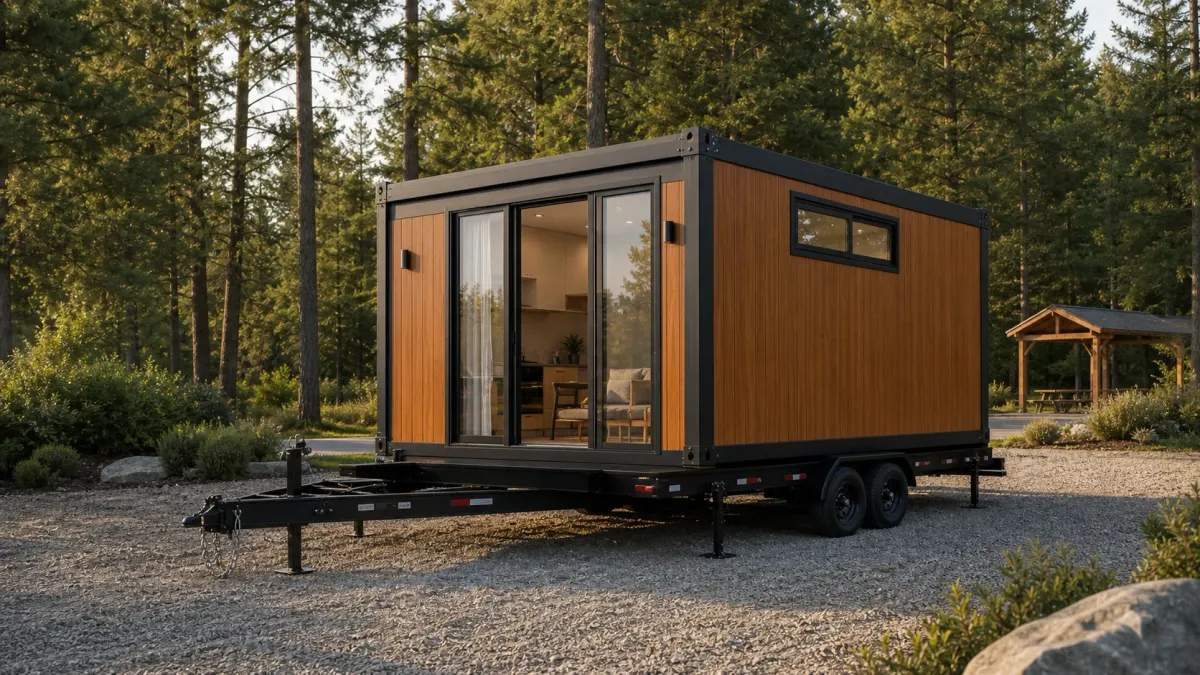
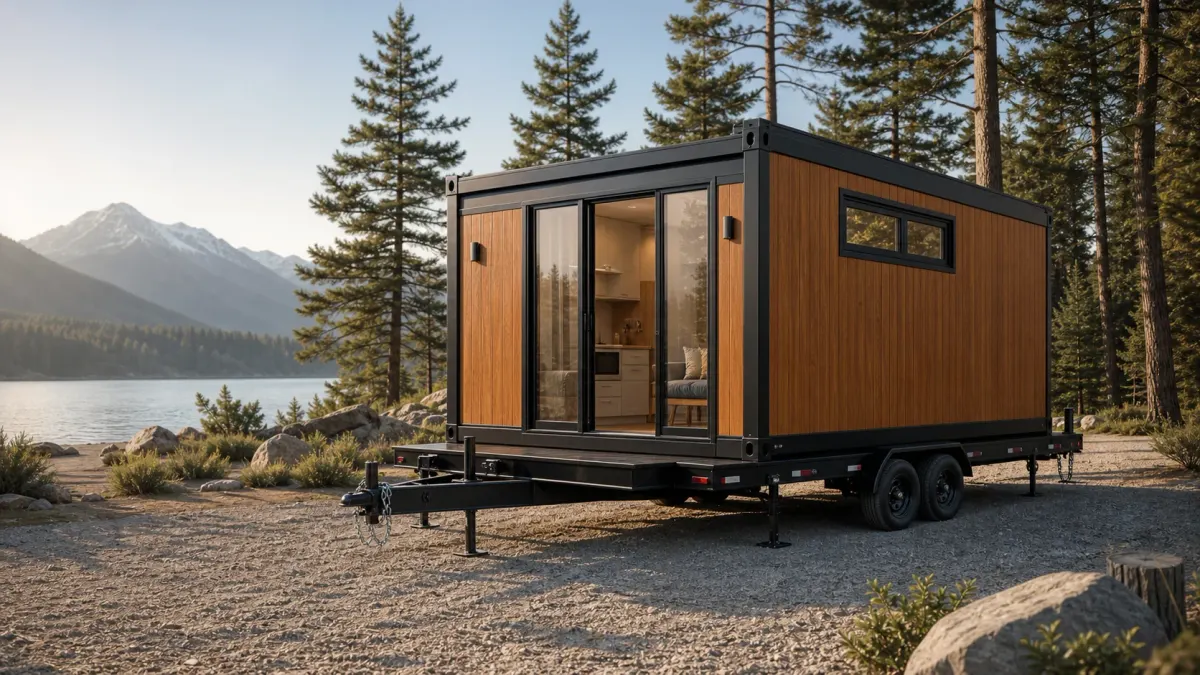
For RV parks adding cabins, EV readiness should be defined as a phased utility plan, not a marketing sticker.
Cabins and chargers compete for attention
Cabins can bring HVAC, water heating, appliances, Wi-Fi, and longer stays. EV chargers add another visible demand. The issue is not only total capacity. It is when the load appears. Evening arrivals, heating or cooling peaks, showers, laundry, and charging can overlap.
A site that treats each item separately may underestimate the combined pattern.
Start with charging behavior, not charger count
How many guests will need charging? Are they overnight cabin guests, RV travelers, staff, day visitors, or event guests? Do they need a full charge or a convenience top-up? Will charging be reserved, first-come, limited, priced, or bundled?
These questions shape the electrical design more than the number of chargers on a brochure.
Phasing can protect both cost and credibility
The first phase may focus on panel space, conduit routes, metering, and a small number of designated charging points. Later phases can expand after real usage data appears. This protects the owner from overbuilding while still avoiding a dead-end installation.
Guest communication is part of the utility system
If charging is limited, say so. If only certain cabins have stronger electrical service, explain it. If the site is collecting usage data before expansion, make the policy clear. Honest boundaries create less friction than broad promises that staff cannot defend.
A better definition of EV-ready
For RV parks, EV-ready should mean the property has a documented path: capacity assumptions, local electrical review, metering logic, guest rules, and future expansion points. That definition is less flashy, but it is much more useful.
Local review is part of the product promise
Electrical language becomes risky when it skips the local review step. Utility company requirements, local code interpretation, transformer capacity, trenching constraints, weather protection, and fire access can all change what is practical.
A supplier can describe unit loads and equipment. The property still needs a local electrical pathway. Without that pathway, EV-ready language may become a promise that nobody on the project can responsibly own.
The service model decides the electrical model
An RV park that wants EV charging as a premium amenity will make different choices from a park that only wants emergency convenience charging. A site serving overnight cabin guests will think differently from a site serving long-stay RV travelers. The service model decides whether charging should be reserved, metered, time-limited, bundled, or separated from lodging.
Without that service decision, the electrical design has no business logic. The owner may buy equipment before knowing how guests should use it.
Do not forget staff and maintenance loads
Guest-facing EV chargers receive the attention, but the site may also need power for maintenance carts, staff housing, laundry, office equipment, lighting, pumps, and future cabin clusters. If the plan only counts chargers and guest units, it may miss the operational loads that keep the park working.
A more honest load plan includes the public promise and the backstage reality.
EV-ready should not mean charger-first
The strongest EV-ready plan begins with load visibility, guest behavior, panel capacity, upgrade path, and rules for shared infrastructure. A charger installed without that context can create resentment if it competes with cabins, bathhouses, laundry, or heat pumps.
For small parks, the first step may be metering and load planning rather than a visible charger. Readiness is a system, not a single device.