Why RV park owners are adding cabin inventory in the first place
Across North America, more owners are looking at RV park cabin inventory as a way to expand the business without abandoning the core park model. That does not mean every property should suddenly become a glamping resort. It means many owners see an opening between classic RV pads and higher-comfort stay products.
The opportunity usually comes from a mix of pressures:
- Some guests want the setting of an RV park without towing or owning an RV.
- Owners want a product that can support stronger nightly rates on selected lots.
- Family and group travel often needs a different room type than standard RV stays.
- Parks that already have demand may want an incremental expansion path before a larger redevelopment.
That matches what many hospitality and park-planning advisors keep emphasizing: before adding inventory, operators need a clearer market and feasibility view rather than a brochure-first decision. In MK terms, that is why North America Series and the wider Container Mobile Home library need to be part of the same planning conversation.
Decide what role cabins should play in the park mix
The first serious question is not "Which cabin should we buy?" It is "What role should cabins play inside the property?"
Cabins can serve very different purposes:
- Premium inventory for scenic lots.
- Entry-level non-RV accommodation for couples or families.
- Seasonal overflow when RV demand becomes uneven.
- A test category before a broader outdoor hospitality repositioning.
If that role is unclear, the owner can end up with attractive units that do not fit the operating model. The park may need a room type that protects quiet zones, supports longer stays, or raises the average guest spend. It may not need the same format on every lot.
Owners working through this question often benefit from comparing it with our glamping site planning article, because the answer usually lives at the intersection of guest promise, lot conditions, and operating rhythm.
Utility scope changes faster than most owners expect
Many RV parks already have power, water, and wastewater lines in place, so it is tempting to assume cabins can simply plug into the existing logic. Sometimes that works. Often it only works in part.
Cabin additions can change:
- HVAC load profile.
- Hot water expectations.
- Housekeeping and laundry rhythm.
- Winterization or shoulder-season operating strategy.
- Outdoor lighting and privacy needs.
Even when the underlying utility grid is usable, the service pattern may shift enough to require a more deliberate review. This is one reason market research and feasibility conversations matter: the owner is not only adding a unit, but introducing a stay format with a different operational footprint.
Cabins affect circulation, amenities, and guest expectations together
A new cabin inventory does not sit quietly on top of the old park pattern. It changes how people move, where they gather, and what they expect from the stay.
Questions to sort early include:
- Should cabins sit near communal amenities or farther away for privacy?
- Will deck orientation, parking, and guest arrival need to be redesigned?
- Do garbage handling, housekeeping routes, or linen storage become more visible?
- Does the property need a small cluster strategy instead of sprinkling cabins randomly?
This is where many owners discover that unit placement matters just as much as unit design. The park may already have strong RV traffic logic, but cabins often need a calmer edge condition and a more composed guest arrival. If the property is also replacing old inventory, the thinking here overlaps with our campground cabin replacement guide.
Rate positioning should start with the guest promise, not only the unit cost
Owners sometimes treat cabins as a construction decision first and a commercial decision second. In reality, the pricing logic starts with the guest promise.
A cabin can justify a stronger rate only when the offer is clear:
- Is it a scenic premium stay?
- A family-friendly upgrade from tent or basic RV use?
- A quiet work-and-stay unit near regional attractions?
- A seasonal hospitality add-on with limited but polished amenities?
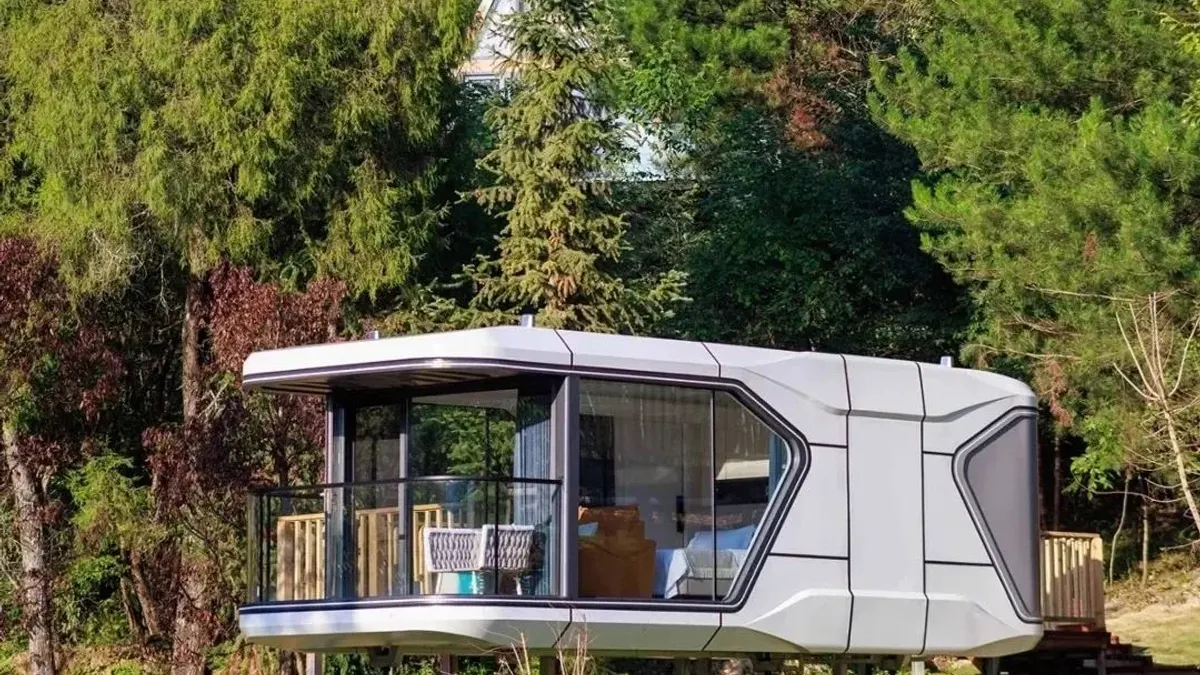
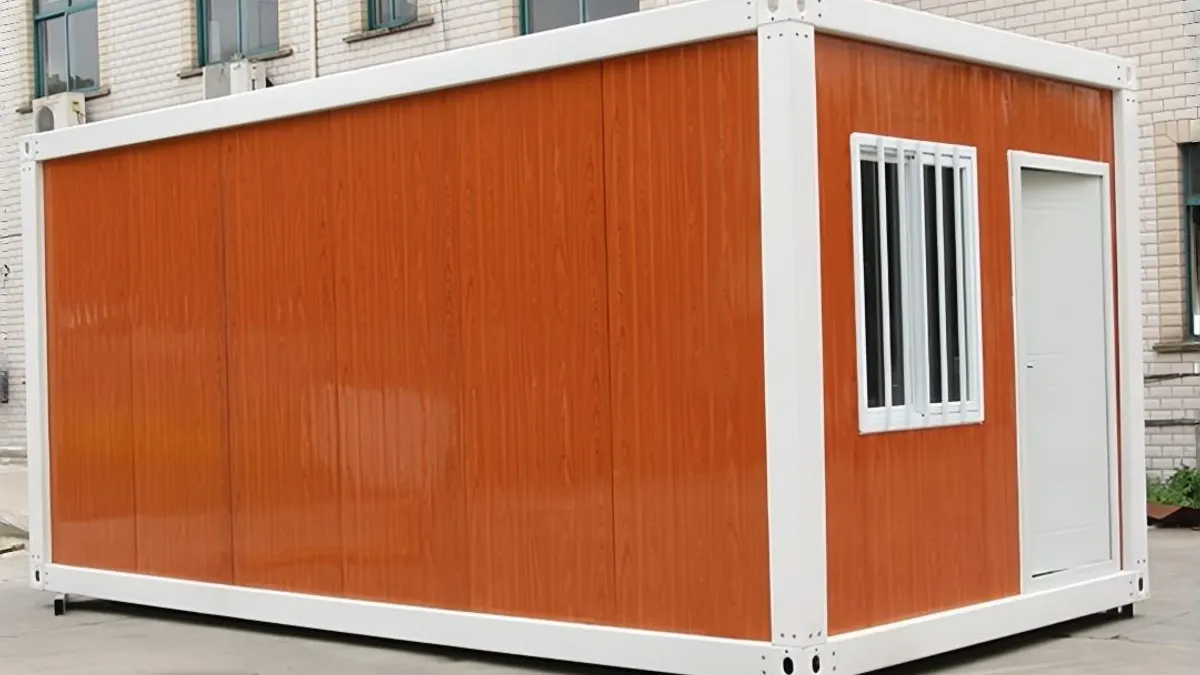
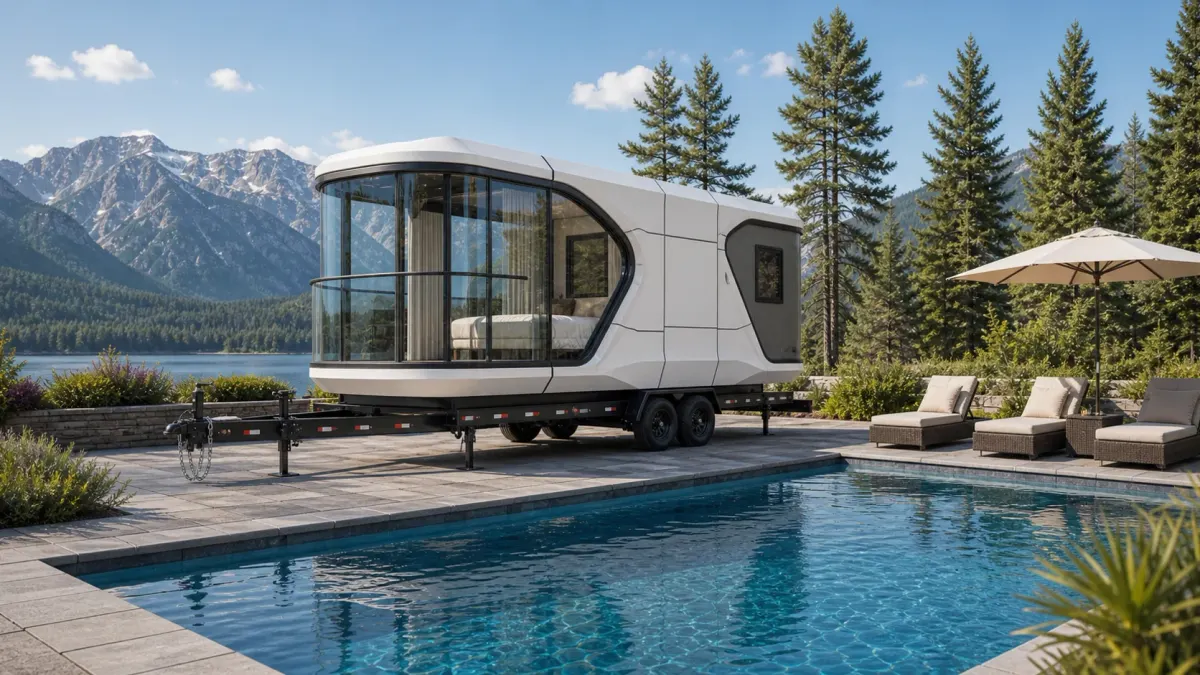
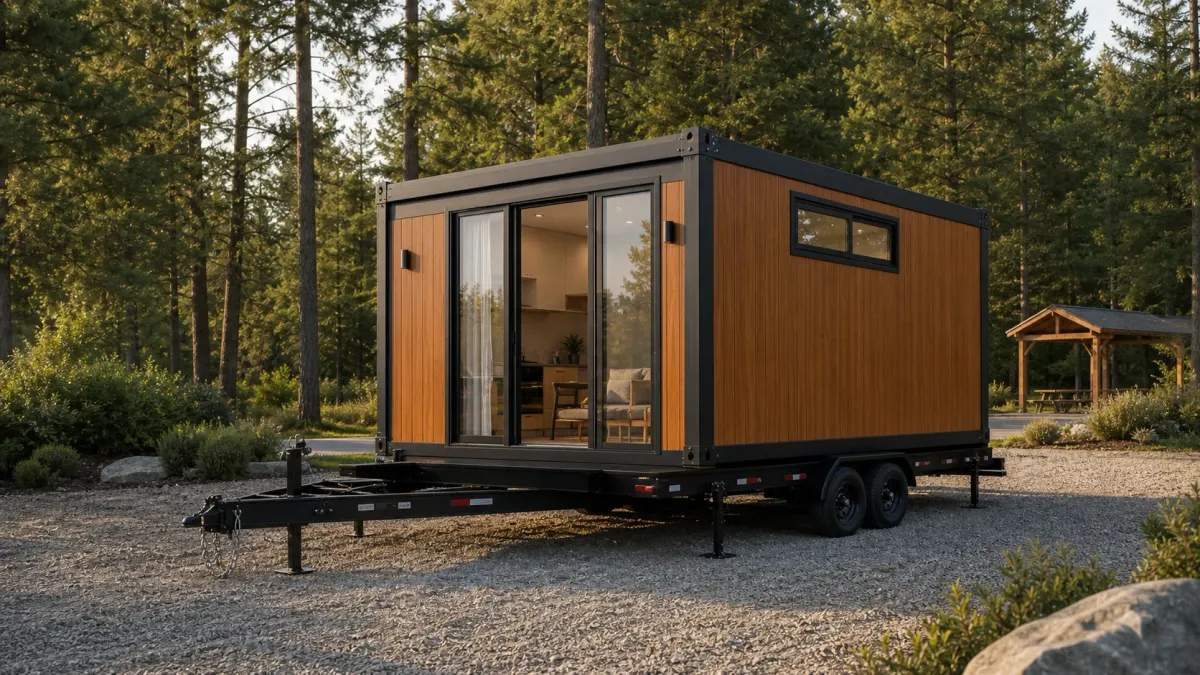
That promise affects finish level, glazing, deck logic, privacy, and operating support. It also helps determine whether a trailer-ready module, a compact wood-grain cabin, or a more hospitality-oriented capsule makes the most sense.
What to send a modular supplier before the rollout begins
Before a modular supplier can give useful feedback, the owner should prepare a concise project brief that includes:
- Site plan or lot map.
- Desired cabin count for the first phase.
- Target guest segments and expected use pattern.
- Utility notes and any known limitations.
- Delivery and installation access constraints.
- Desired finish tone and operating level.
- Whether the rollout is a pilot, a replacement program, or a wider repositioning.
This allows the supplier discussion to move beyond generic product comparison and into real deployment fit. Owners who are also refining guest handover and utility-readiness routines can connect this with the campground arrival checklist.
The better expansion question
Adding cabin inventory to an RV park is rarely just a purchasing decision. It is a site-mix decision, an operations decision, and a pricing decision at the same time.
The stronger question is not simply how many cabins can fit. It is which guests the new inventory should serve, what utilities it will use, how staff will reset it, and how the cabins can strengthen the park without diluting the RV experience.