The stereotype is too simple
It is easy to reduce younger travelers to phone use, short attention spans, or social media habits. That misses the more useful point. Many younger outdoor guests want a real nature experience, but they are less patient with avoidable friction. They may accept a rustic trail, but not confusing check-in. They may enjoy a fire pit, but not unclear parking. They may want disconnection, but still expect reliable information before arrival.
For campground operators, this is not a call to turn every site into a digital product. It is a call to remove the boring obstacles that prevent the outdoor experience from starting.
Low friction does not mean luxury
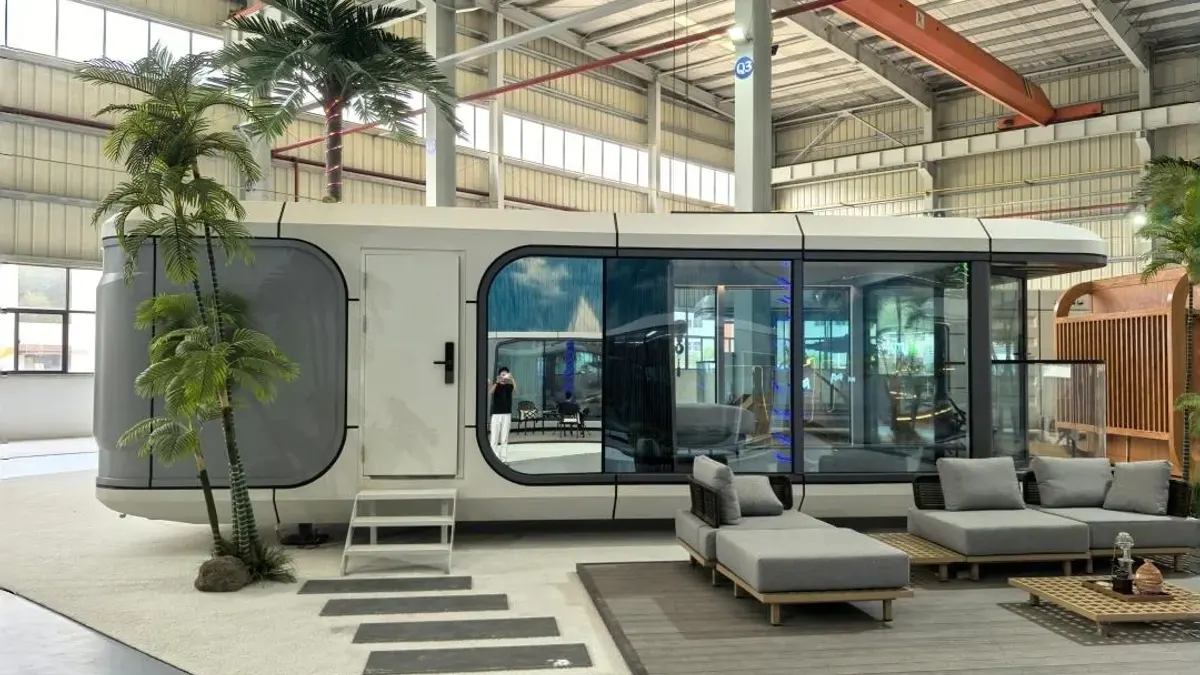
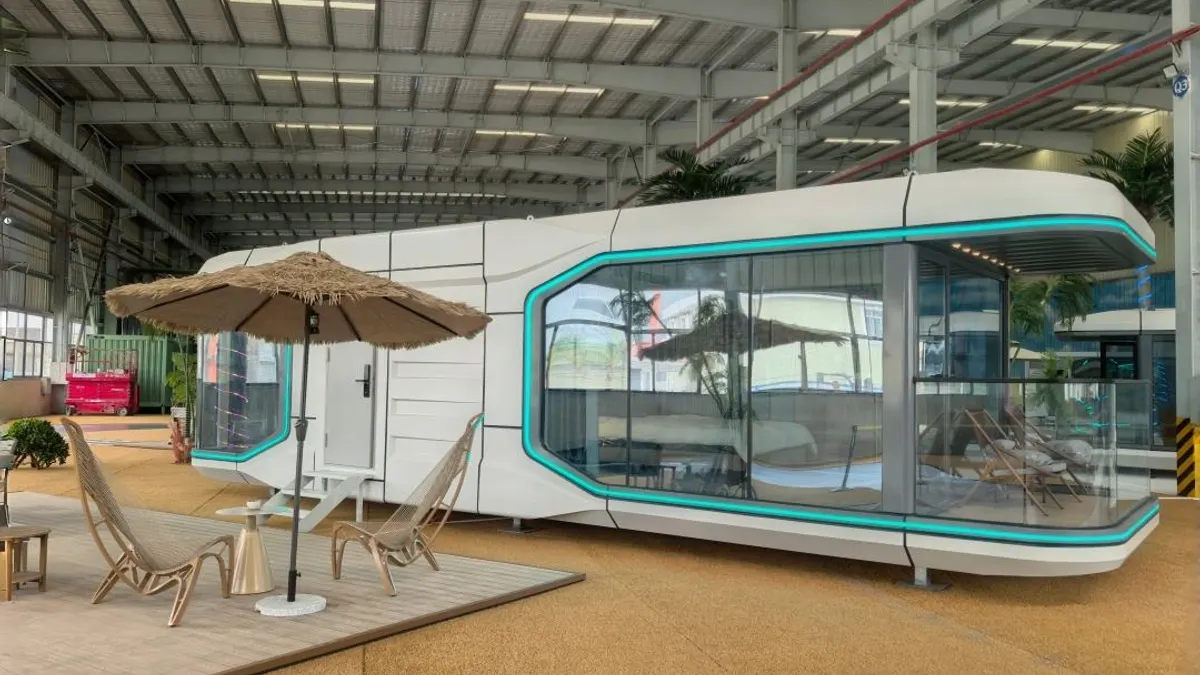
A low-friction cabin stay can be simple. It means the guest knows what to bring, where to park, how to enter, how heating or cooling works, where to get help, and what the site rules are. It means the unit is clean, the lighting makes sense, the bed is comfortable, and the outdoor space feels intentional.
This matters for guests who travel without RV knowledge. They may not understand hookups, dump stations, leveling, campsite etiquette, or quiet-hour norms. A cabin can translate the campground into a more accessible format without erasing the outdoor character.
Authenticity is not the same as inconvenience
Some operators worry that making camping easier will make it feel fake. That is not inevitable. Authenticity comes from landscape, pace, firelight, air, stars, trails, weather, and shared outdoor rituals. Inconvenience comes from broken instructions, awkward layouts, bad lighting, noisy service, and unclear expectations.
The best cabin zones remove the second category while preserving the first. They help guests spend less time decoding the property and more time being present in it.
Social travel changes the layout
Younger guests often travel in small groups, couples, or friend clusters. That changes cabin planning. Some groups want a shared gathering point and separate sleeping units. Others want privacy but easy walking distance. A campground can support this by planning micro-clusters: a few cabins around a shared fire area, picnic zone, or view corridor, with enough spacing to avoid forcing social contact.
The mistake is assuming all young guests want the same "community" experience. Good design gives them control over participation.
Digital clarity should happen before arrival
The digital layer does not need to be complicated. It needs to be clear. Photos should show the real unit and surroundings. The booking page should explain bedding, bathroom, heating or cooling, parking, Wi-Fi, pet rules, cooking options, and what is not included. The arrival message should reduce uncertainty.
When guests arrive already oriented, staff spend less time answering basic questions and more time supporting the stay.
The cabin is a bridge, not a replacement for camping
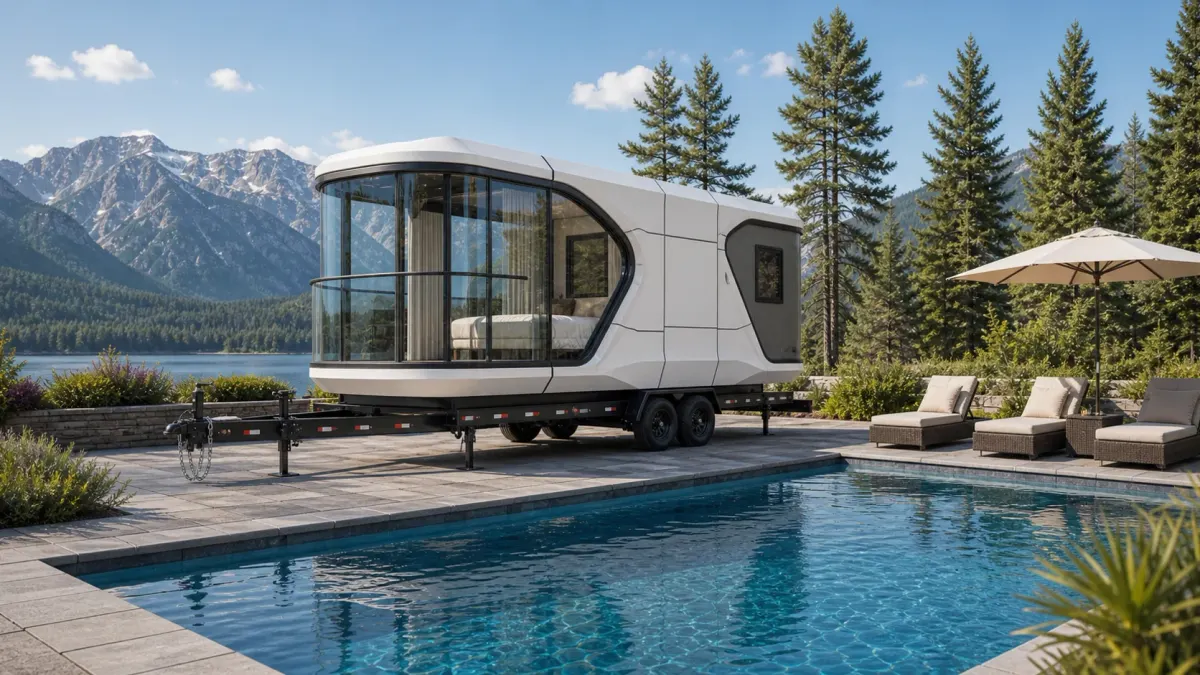
For many younger guests, a cabin is not a rejection of camping. It is a bridge into it. The cabin removes the parts that require owned equipment, storage space, towing confidence, and family knowledge passed down over years. What remains can still be deeply outdoor: cooking outside, walking in weather, hearing the site at night, sharing a fire, and waking up close to trees or desert air.
This distinction matters. If operators treat cabins as hotel rooms dropped into a campground, they may erase the reason guests came. If they treat cabins as a gateway into the campground culture, they can help new guests learn the rituals without making them feel foolish for not knowing them already.
What operators should stop assuming
Operators should stop assuming that new outdoor guests understand campground language. Words like full hookup, dump station, loop, quiet hours, pull-through, and gray water may be obvious to experienced RV travelers and vague to everyone else. A low-friction cabin stay translates those terms into plain expectations.
The same applies to social behavior. Some younger guests want a shared fire and a lively group stay. Others want privacy and quiet. Good design does not force one mood. It creates small choices: public paths and private decks, shared areas and retreat edges, easy arrival and enough separation to feel independent.
The practical takeaway
Gen Z camping expectations are not a demand for overdesigned experiences. They are a demand for fewer preventable obstacles. Cabins can help campgrounds welcome guests who want nature but do not own gear, tow vehicles, or campground habits.
The strongest low-friction stay is still real: real landscape, real quiet, real outdoor time. It simply removes the confusion that stops guests from enjoying it.