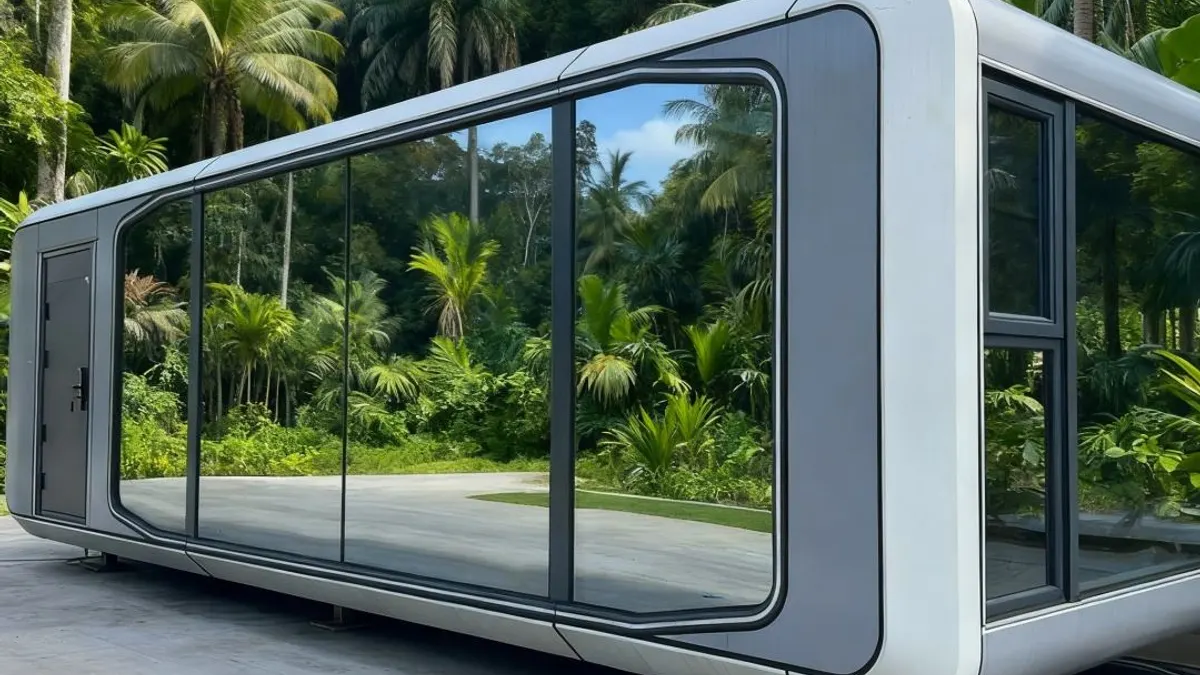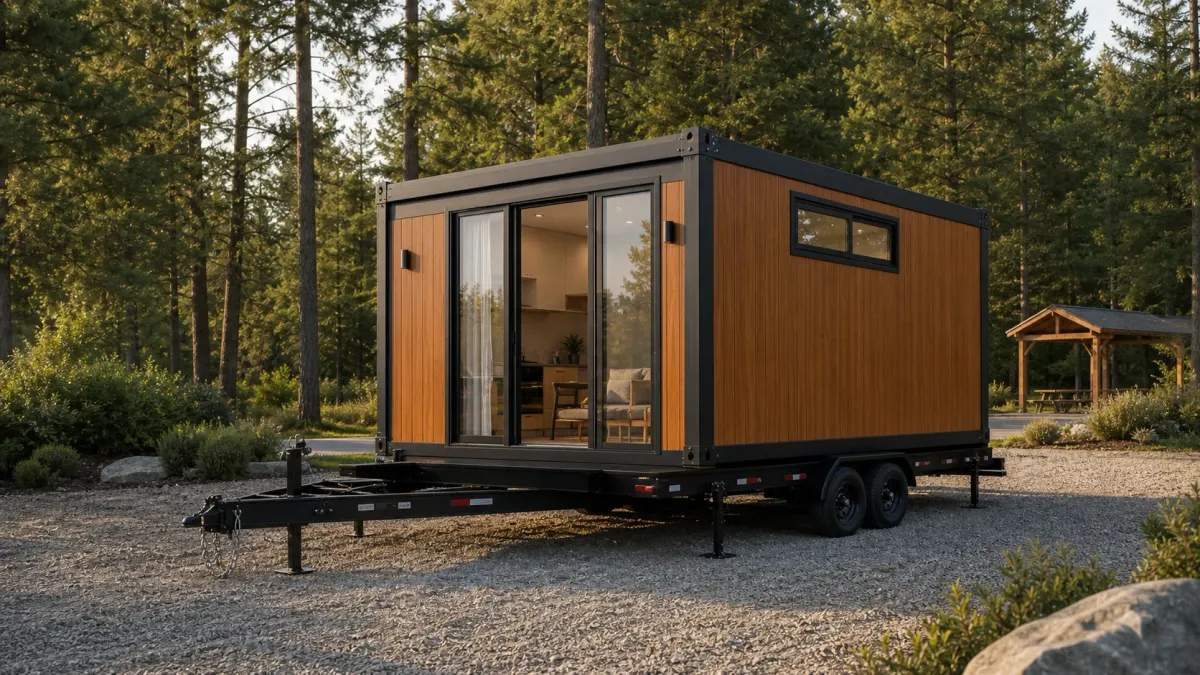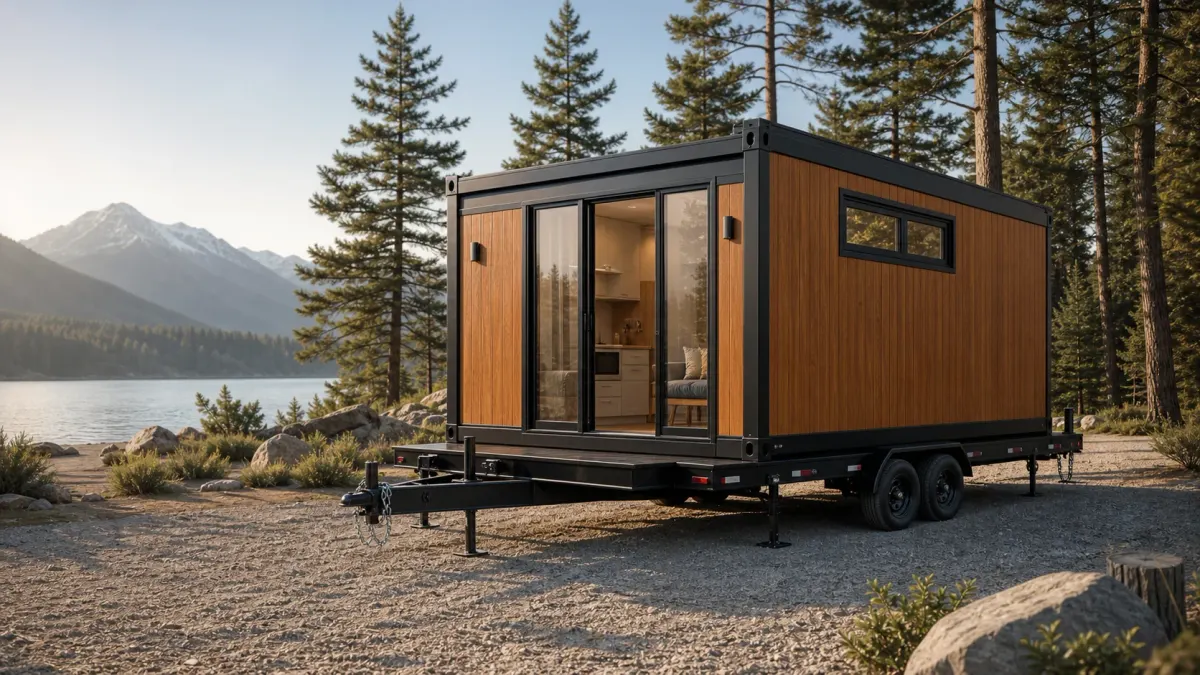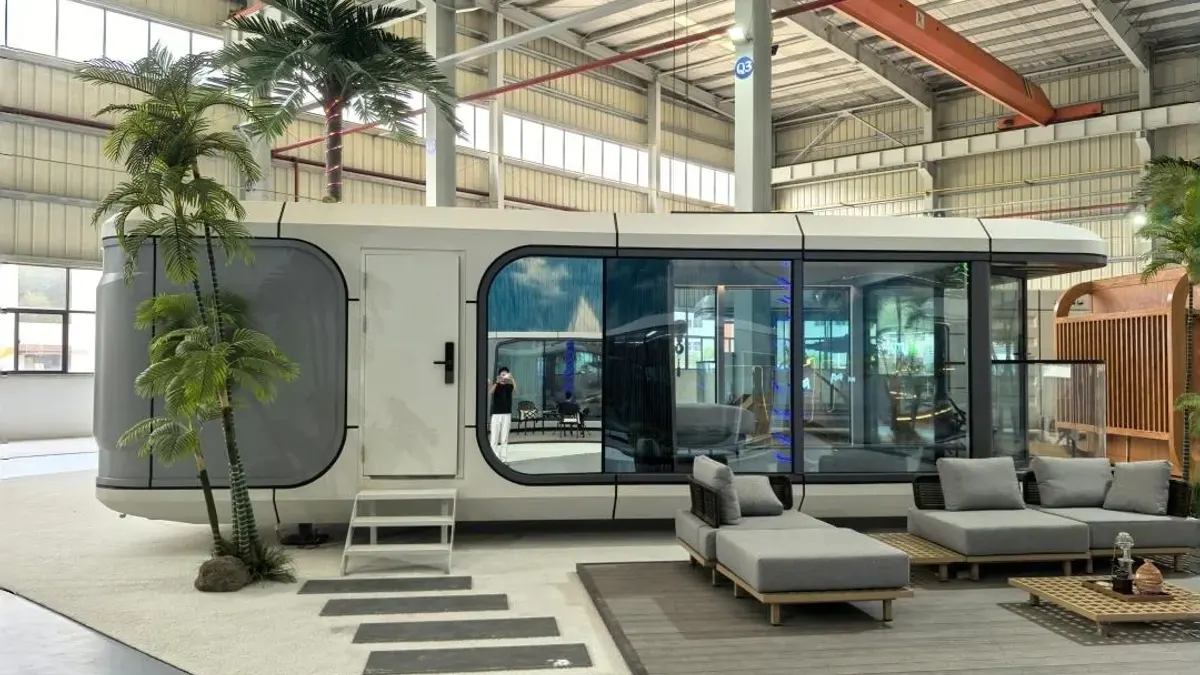
Road trips create more than RV demand
Open-road travel is often pictured as RVs and long highways. In reality, road-trip groups are mixed. One friend may own the RV. Another may arrive by car. A family may want one cabin beside relatives in a rig. A couple may want the campground atmosphere without the equipment.
This makes cabins part of the road-trip ecosystem, not an alternative to it.
The arrival moment decides the mood
Road-trip guests are often tired when they arrive. They need parking clarity, simple check-in, visible unit numbers, lighting, and a fast path to comfort. If the arrival is confusing, the outdoor experience begins with stress.
Cabin planning should therefore treat arrival as part of the room.
Mixed groups need flexible adjacency
A useful cabin strategy lets different travel styles stay near each other without forcing the same format. RV pads, cabins, tent sites, and small gathering areas can work together if the layout protects privacy and circulation.
The goal is not to replace RV culture. It is to let more people join it comfortably.
The cabin should reduce equipment anxiety
New outdoor guests may not know what to bring, how cold the night becomes, where to cook, or how quiet hours work. A cabin can reduce that uncertainty if the booking page and arrival message explain the stay clearly.
Low friction is not the opposite of authenticity. It is the removal of preventable confusion.
Operators should plan the experience, not just the unit
The strongest road-trip cabin offer includes outdoor seating, fire logic, parking, paths, lighting, trash, pet rules, and emergency contact. The unit matters, but the experience around it decides whether the guest recommends the stay.
A better reading of the trend
The open-road era is not only about vehicles. It is about flexible access to outdoor places. Cabins help when they make those places easier to enter while preserving the feeling of travel, air, and arrival.
The best cabin stays borrow from roadside culture
Road-trip travelers like ease, landmarks, clear stops, and a sense of discovery. Cabin zones can borrow from that culture: visible arrival points, simple wayfinding, a porch that feels like a pause in the journey, and nearby outdoor rituals that make the stop memorable.
The cabin should not feel like a generic room. It should feel like a good stop on the road.
Repeat guests remember friction more than features
Many guests will not remember the exact wall finish. They will remember whether they found the unit easily, slept well, parked without stress, understood the rules, and felt safe walking at night. Removing friction is therefore not a minor operations task. It is the core of the road-trip cabin experience.
Road-trip guests compare the whole journey
A guest arriving from a long drive does not evaluate the cabin in isolation. They compare fuel stops, road fatigue, check-in clarity, parking, unloading, food options, shower quality, bed comfort, and morning departure. The cabin is one part of a travel sequence.
That is why the first ten minutes on site matter. A clear arrival lane, obvious parking, short walk to the unit, and simple door access can make a modest cabin feel generous.
Experience planning should include the morning after
Many road-trip stays are not about lingering for a week. They are about recovering well enough to drive again, hike again, or continue to the next destination. The morning flow therefore deserves design attention: coffee access, trash, bathroom readiness, vehicle loading, and fast checkout.
A property that handles departure well can become a trusted route stop, not only a one-time overnight solution.