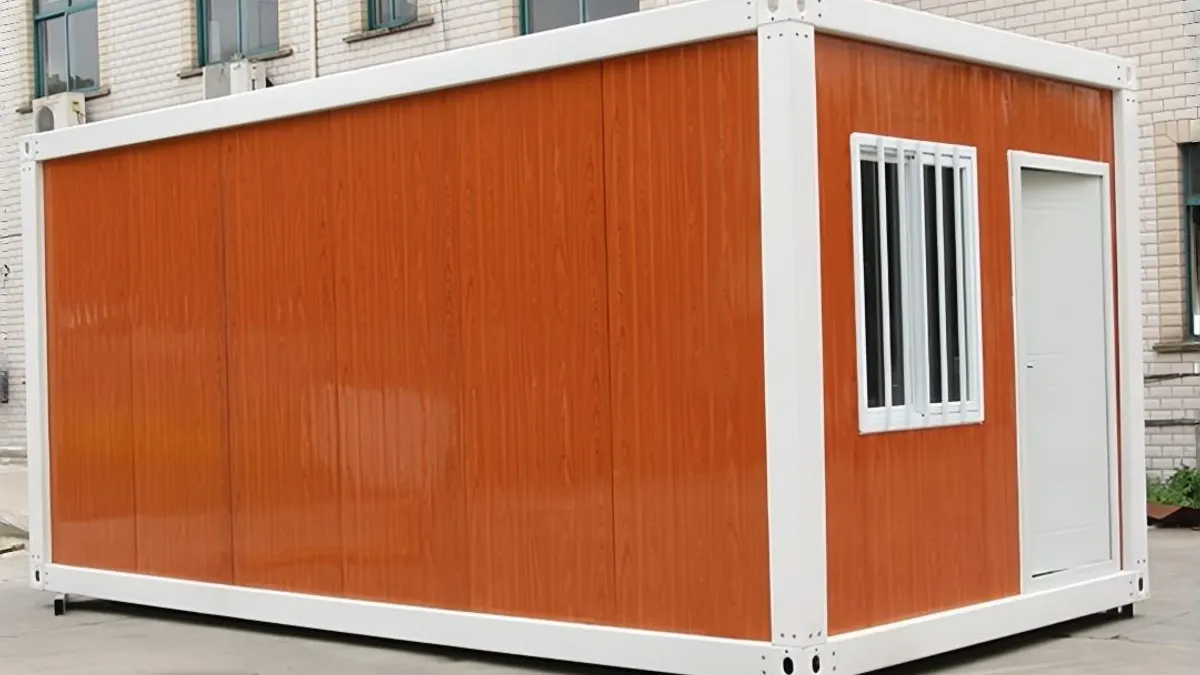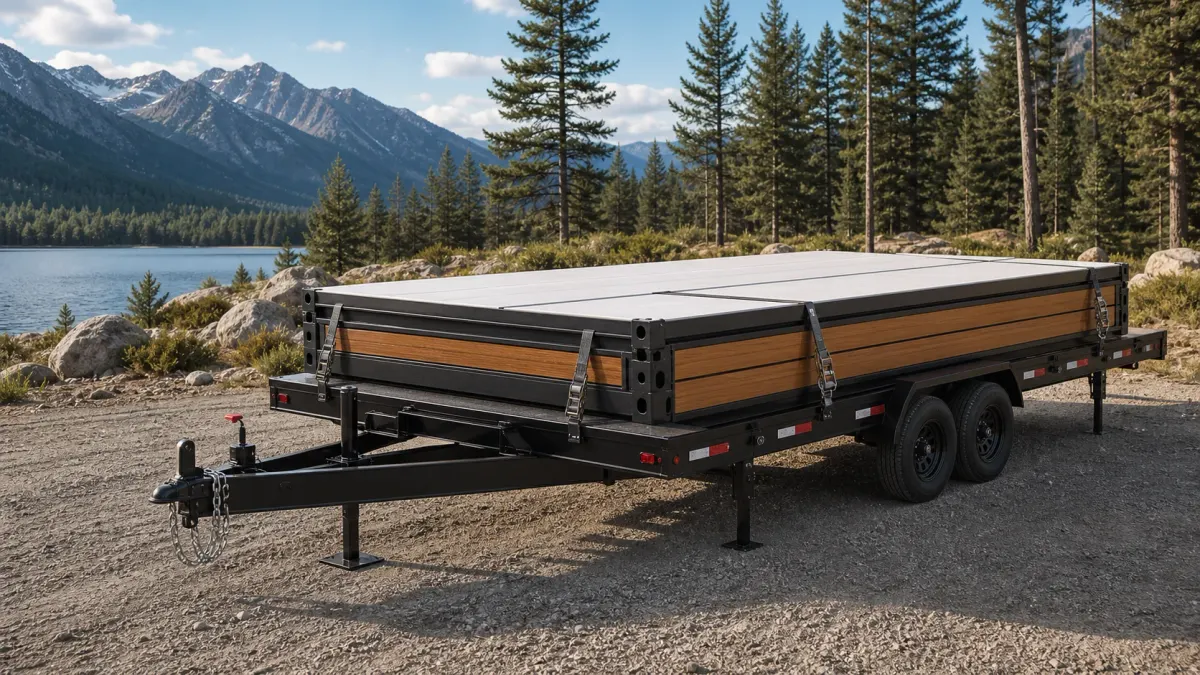
Why the arrival moment matters
A campground stay can look good in photos and still feel confusing on arrival. Guests notice where to park, where to walk, how private the entry feels, whether the steps feel safe, and whether the room is ready without explanation.
That is why a campground arrival checklist is useful for both operators and buyers comparing modular cabin or RV-style stay concepts. It turns the first ten minutes of the guest experience into a practical design test.
For B2B buyers, this is not only a hospitality detail. Arrival logic affects site layout, utility locations, deck design, lighting, signage, maintenance access, and the type of module that makes sense.
Check access, position, and outdoor flow
Before a cabin or guest stay goes live, the arrival path should be walked like a guest would experience it.
Review:
- Parking location and whether guests can unload without blocking service movement.
- Walkway slope, drainage, lighting, and trip hazards.
- Entry steps, handrails, deck edges, and wet-weather traction.
- Privacy from neighboring cabins, roads, and service zones.
- Outdoor seating orientation, shade, and view direction.
- Maintenance access that does not pass directly through the guest's private zone.
These details are easy to miss during product selection because the buyer is looking at the cabin itself. But for a modular glamping cabin, the outdoor arrival sequence often decides whether the stay feels premium or improvised.
Confirm utility handover before guests settle in
RV travelers know the importance of hookups. Cabin operators should treat utility handover with the same seriousness.
The checklist should include:
- Power connection and load expectation.
- Water supply, shutoff location, and hot water readiness.
- Wastewater, septic, or greywater path.
- HVAC startup and recovery time.
- Internet or smart-lock reliability if used.
- Backup procedure for outage, leak, or equipment fault.
If the unit is part of a larger property, the operator should also know which utilities are shared and which are isolated by unit. That detail becomes important when maintenance needs to fix one cabin without disturbing the whole site.
Review safety, comfort, and operating details
The best arrival experience is quiet because everything has already been considered.
Before handover, confirm:
- Smoke, carbon monoxide, or fire-safety items required by the local project path.
- Clear guest instructions for heating, cooling, windows, doors, shades, and water use.
- Clean storage for linens, cleaning tools, and maintenance items.
- Exterior lighting that helps orientation without creating glare.
- Safe distance from generators, service traffic, waste areas, and noisy equipment.
- Seasonal needs such as snow removal, shade, insect control, or heat protection.
The checklist should be adapted to local rules and the actual use case. A private land stay, RV-style campground unit, and resort cabin will not share the exact same operating path.
What operators can learn from RV-style arrivals
RV parks are useful references because they expose the practical side of guest movement. Guests arrive with vehicles, bags, outdoor equipment, food, and expectations about where things should go.
For modular cabin operators, that suggests a few lessons:
- Make the first approach obvious.
- Keep hookups and service points accessible but visually controlled.
- Avoid making guests cross service paths to reach the room.
- Give each unit enough outdoor identity so it does not feel like a storage row.
- Design for repeat cleaning and maintenance, not only for opening-week photography.
Operators upgrading older sites can compare this logic with the campground cabin replacement guide. Teams still planning their first cluster should pair it with the glamping cabin site guide.
Arrival is the first operations test
A stay can begin well before the guest unlocks the door. Directions, parking, lighting, signage, check-in timing, and first contact with staff shape whether the property feels calm or improvised.
For modular cabins and RV-style stays, the arrival checklist is not a hospitality extra. It is the first proof that the site understands how people, vehicles, luggage, utilities, and expectations meet in the real world.