Digital check-in does not remove the arrival problem
Many campgrounds want digital check-in because guests expect faster arrival and staff coverage is expensive. But digital check-in only works when the physical arrival path is simple enough for a tired guest to complete without interpretation. A code, map, or message cannot compensate for poor lighting, unclear unit numbering, confusing parking, or a lock that behaves differently than the instructions.
For cabin zones, late arrival is especially sensitive. Guests may not know the property, may arrive after driving all day, and may expect the cabin to feel more hotel-like than a campsite. The system has to reduce decisions, not add new ones.
The first instruction should match what guests see
A pre-arrival message often says turn left after the office, park beside the cabin, and enter the code. That sounds easy until the office is dark, the road forks, the cabin number is hidden, and two units share a parking bay. Every mismatch creates a support call.
Operators should walk the route at night with the same instructions sent to guests. If a step requires local knowledge, rewrite the instruction or change the site cue. The best digital check-in language is short because the site itself is doing more of the work.
Locks and codes need an escalation path
Smart locks, lockboxes, and keypad systems can all work, but none should be treated as failure-proof. Batteries die, guests mistype codes, time zones confuse activation windows, and weather can affect hardware. A late-arrival plan needs a backup process that does not require the entire staff to stay awake.
That may include an emergency phone route, a secondary lockbox, a staff-only override, clear battery replacement routines, and a log of who can issue access. The goal is not perfect technology; it is controlled recovery when technology is imperfect.
Parking is part of check-in
A guest does not feel checked in until the vehicle is in the right place. If the parking spot is unclear, the guest may block a lane, park in another unit’s space, unload across a service path, or call staff before entering the cabin. Parking clarity is therefore part of the digital system.
Cabin clusters should define whether parking is beside the unit, in a shared bay, at an unload point, or in a separate lot. The message, map, signs, and ground markings should all tell the same story.
The cabin interior should confirm the next steps
Arrival does not end at the door. Once inside, the guest still needs to know Wi-Fi, thermostat, bathroom location, quiet hours, checkout, emergency contact, and what to do if something is missing. If all of that lives only in a long email, guests may miss it.
A short in-cabin card, QR page, or printed welcome note can reduce repetitive questions. The information should be practical, not decorative: the few things guests need within the first ten minutes and the few things they need before sleeping.
Staff dashboards should reflect the physical sequence
Digital tools create data, but staff need operational visibility. Which cabins are occupied? Which codes were issued? Which guests have not arrived? Which units are near shared bathrooms? Which late arrivals may need extra directions? The dashboard should support the actual property layout.
Even a simple spreadsheet can help if it mirrors the cabin zone. When digital check-in is disconnected from housekeeping and maintenance, the property may improve booking convenience while creating new internal confusion.
Low-friction arrival is a competitive feature
Guests may not search for digital check-in as a technical feature. They remember whether arrival felt calm. For RV park cabins, that calm can be a strong differentiator because the stay sits between campground informality and lodging expectations.
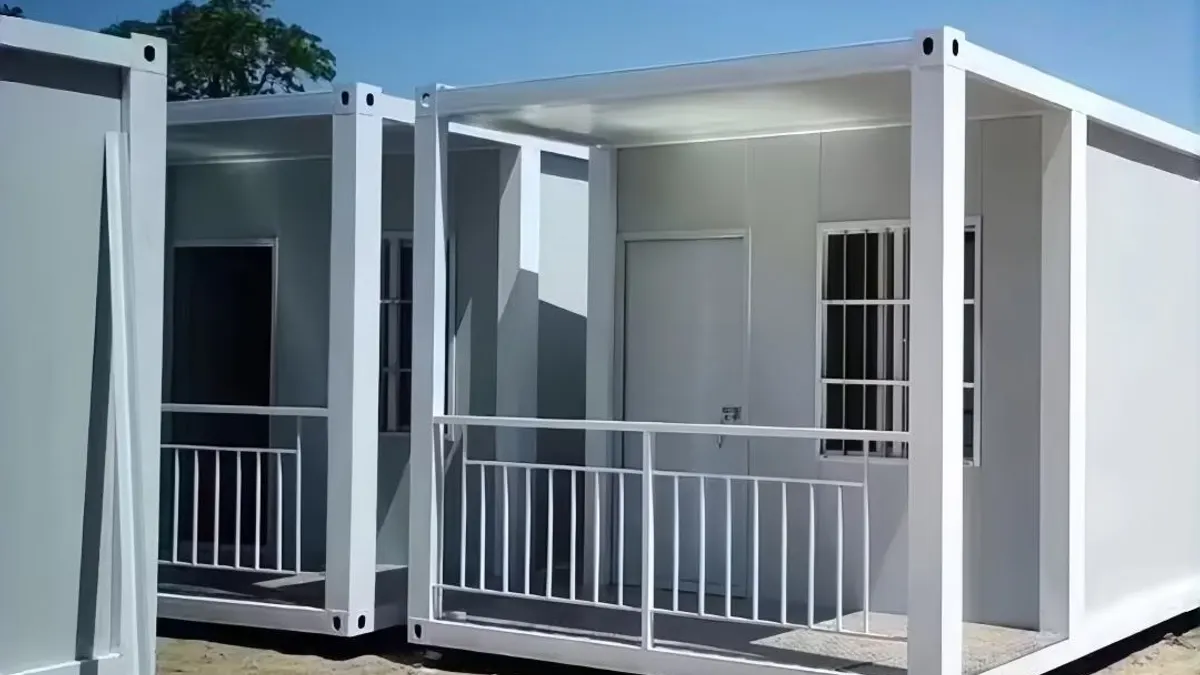
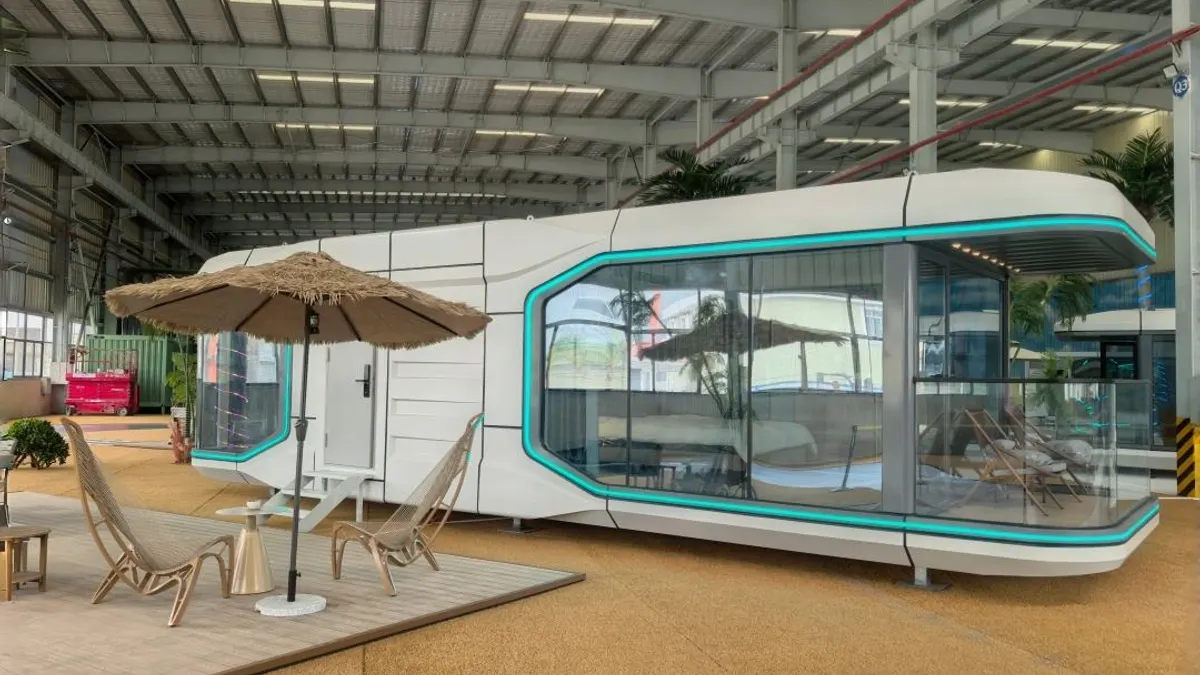
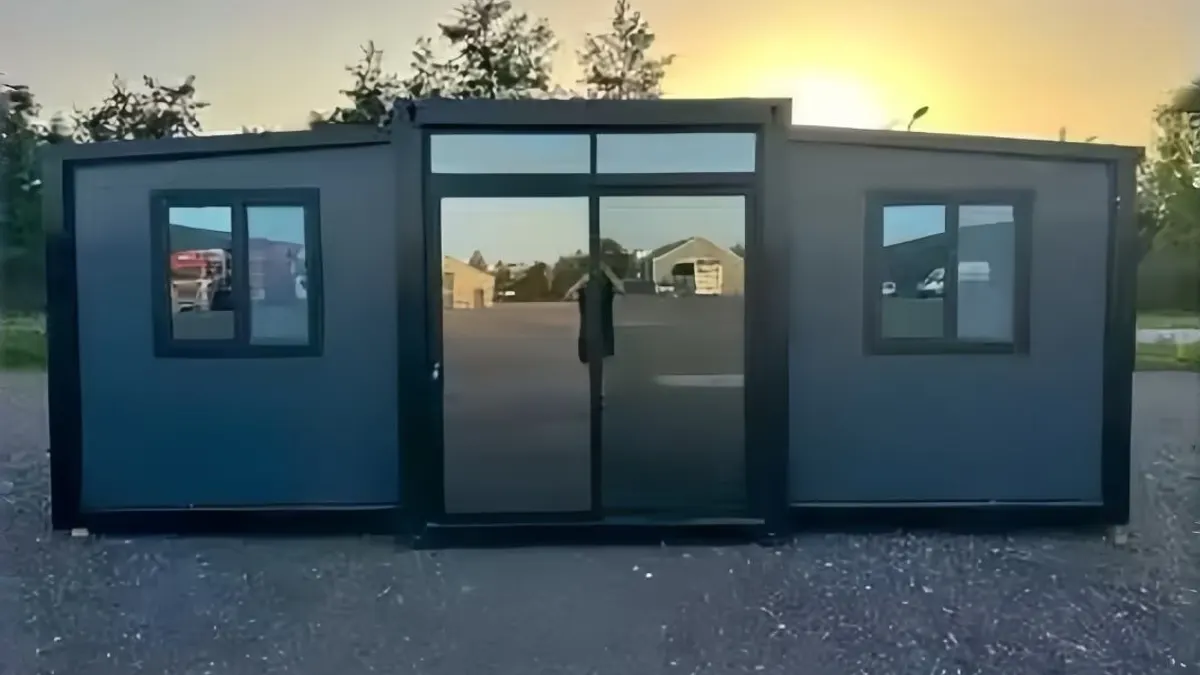
Owners planning modular cabin zones should include arrival flow in the specification: signs, lighting, lock type, backup access, parking, in-room instructions, and staff escalation. These details can decide whether the cabin feels easy or exhausting.