Do not treat prayer support as a late add-on
A modular Musalla and Wudu brief should be defined early in a Middle East project, not treated as a leftover amenity after guest rooms or camp accommodation are already fixed.
That is because prayer support affects:
- How people move across the site.
- Where wash functions can happen cleanly and comfortably.
- How privacy is protected.
- How water and drainage are handled.
- Whether the final setting feels respectful and well considered.
In a resort, this may shape guest support quality. In a project camp, it may shape daily usability and camp rhythm. Either way, the planning logic belongs naturally within the Middle East Series rather than being left to the end.
The wash sequence shapes the layout
Many buyers think first about the enclosure, but the wash sequence is what usually determines whether the module works well.
That sequence includes:
- Approach and waiting.
- Footwear transition.
- Water access and basin height.
- Splash control.
- Drainage and drying.
- Clean movement from wash area toward the prayer space.
When that sequence is ignored, the project may still install a unit, but the result often feels inconvenient and harder to keep clean.
Shade, drainage, and hygiene are part of the user experience
In GCC-style climates, the user experience begins before the person reaches the interior prayer area.
That is why the project should review:
- Shaded approach and wash zone comfort.
- Water runoff and non-slip surface planning.
- Ventilation and odor control.
- Cleaning frequency and hose-down logic.
- How dust, mud, or wet traffic will be managed.
These are practical questions, but they are also part of respect and usability. A clean, calm sequence matters more than decorative language.
Think about circulation, separation, and cleaning access
A Musalla and Wudu support module usually performs better when the circulation pattern is obvious.
Projects should define:
- Whether the module serves guests, staff, camp residents, or a mixed group.
- How wash movement stays separate from adjacent hospitality or admin zones.
- Where cleaning staff access the space and store supplies.
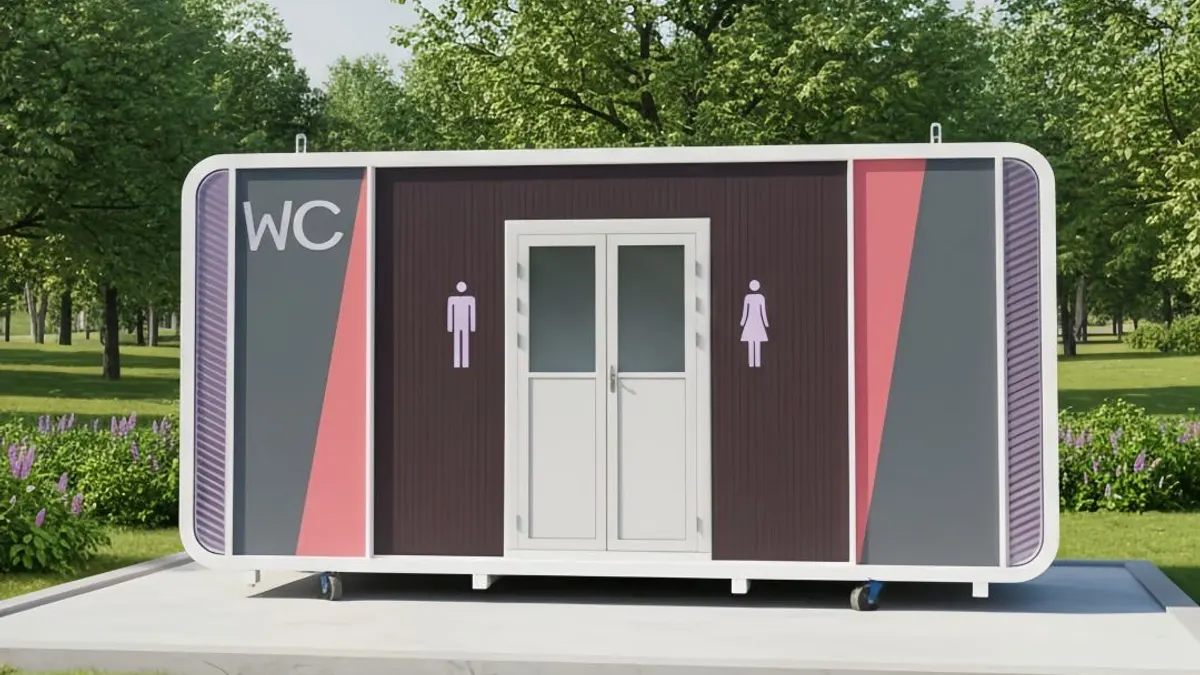
- Whether the module needs separate male and female support functions in that project context.
This is one reason these modules often overlap with wider site planning. A well-placed prayer support module reduces friction across the whole property.
How modular product choices can support the brief
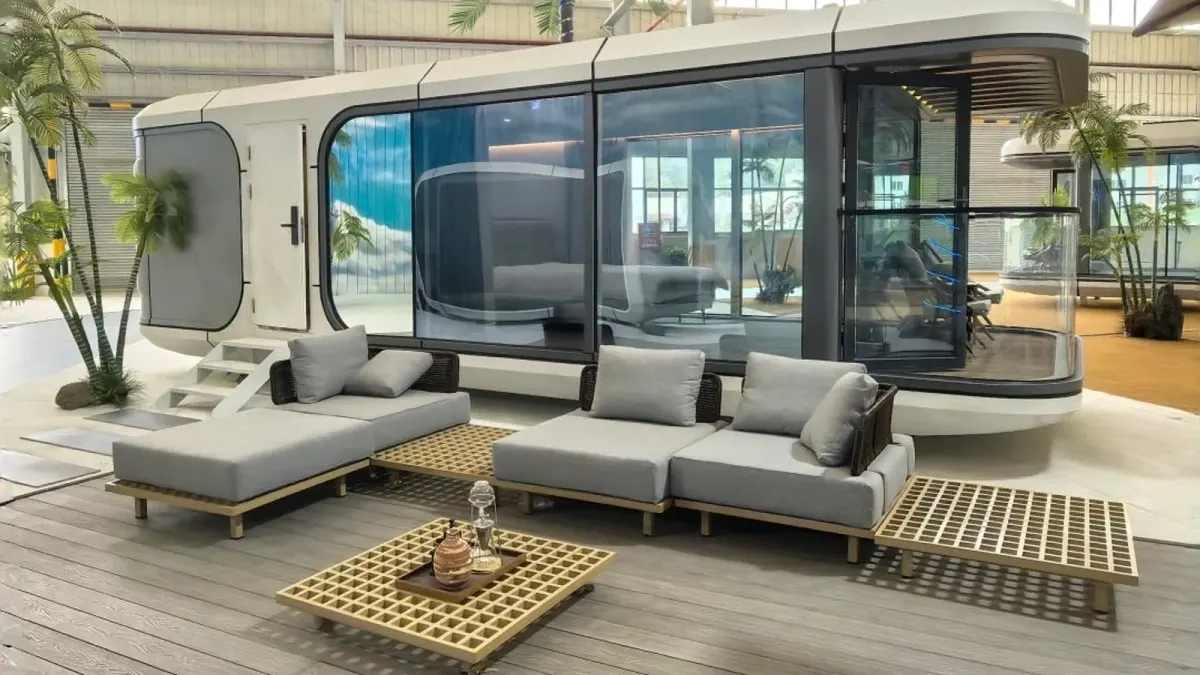
Depending on the project, the right solution may combine more than one product type.
For example:
- A dedicated prayer module can be paired with wash support nearby.
- Portable toilet or washroom products may support the Wudu side of the brief.
- Shade systems can improve the transition path and waiting zone.
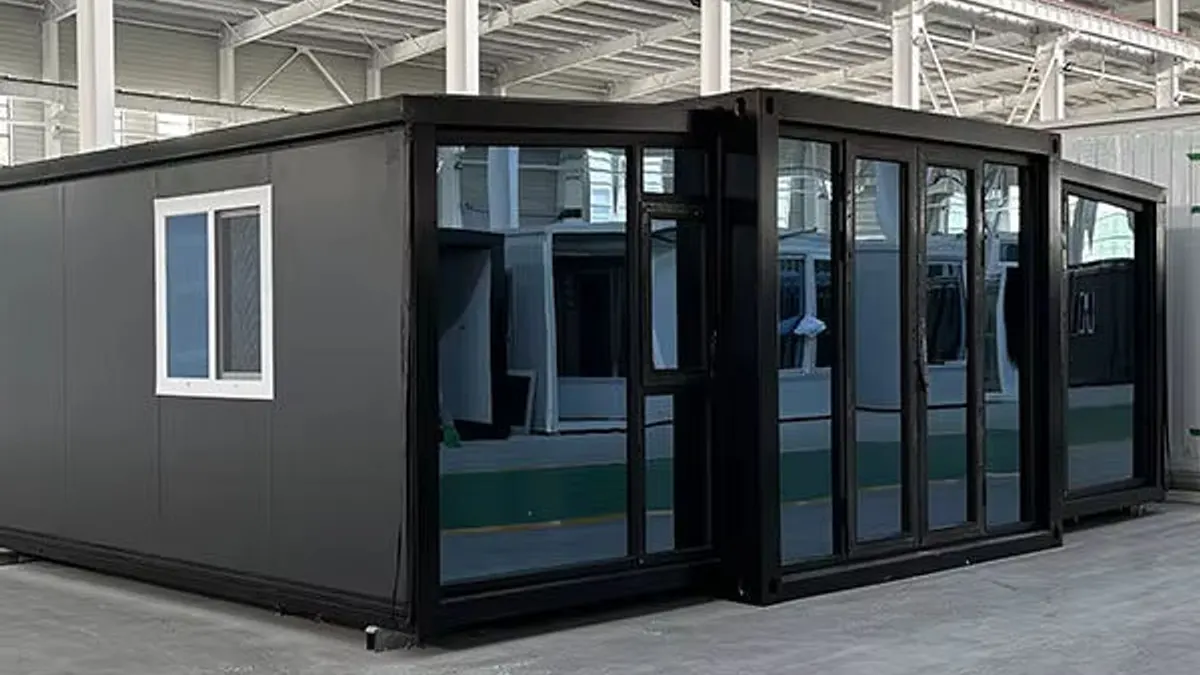
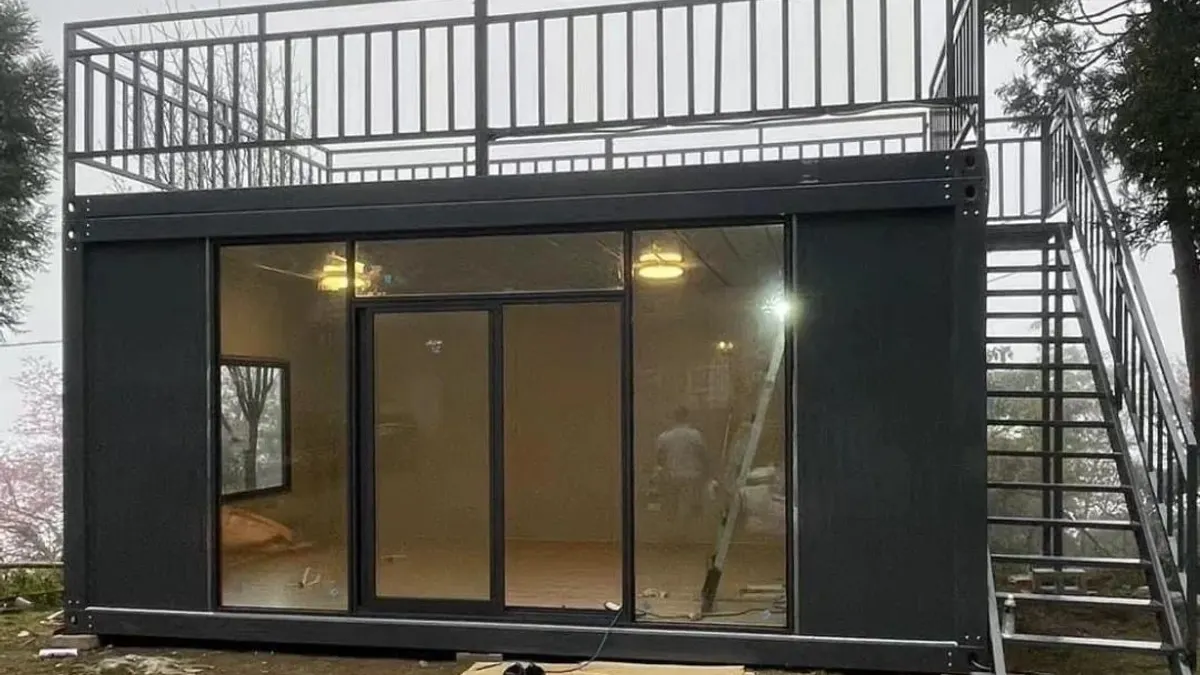
- In camps, the module may sit beside dormitory or executive accommodation clusters.
That is why buyers should think in terms of a module cluster, not a single room. Projects comparing adjacent support spaces may also want to review the desert resort room-mix guide and the executive site suite planning article.
Respect is built into the route
A musalla and wudu module is not only a room count. It is a sequence of approach, cleansing, quiet, direction, footwear, privacy, maintenance, and dignity.
Good planning makes that sequence legible without excessive signage. The module should feel easy to use, easy to keep clean, and naturally separated from noisy service activity.