Start with guest segments, not just key count
In GCC desert hospitality, the first planning mistake is often treating the project like a generic room-count exercise. Desert resorts rarely win because they simply have more keys. They win because the room mix matches the guest promise.
A strong desert resort room mix sets the balance between signature suites, repeatable guest keys, and the support spaces that keep the property operational.
A serious planning brief should separate guest segments early:
- Couples looking for premium view suites.
- Families who need privacy and practical room adjacency.
- Small private groups who value shared receiving space.
- Event-driven stays that depend on Majlis, dining, or lounge overlap.
- Staff or service functions that support the guest layer without interrupting it.
This is why the Middle East Series should be understood as a platform for room types and support spaces, not a single hero room.
Balance signature suites with repeatable standard rooms
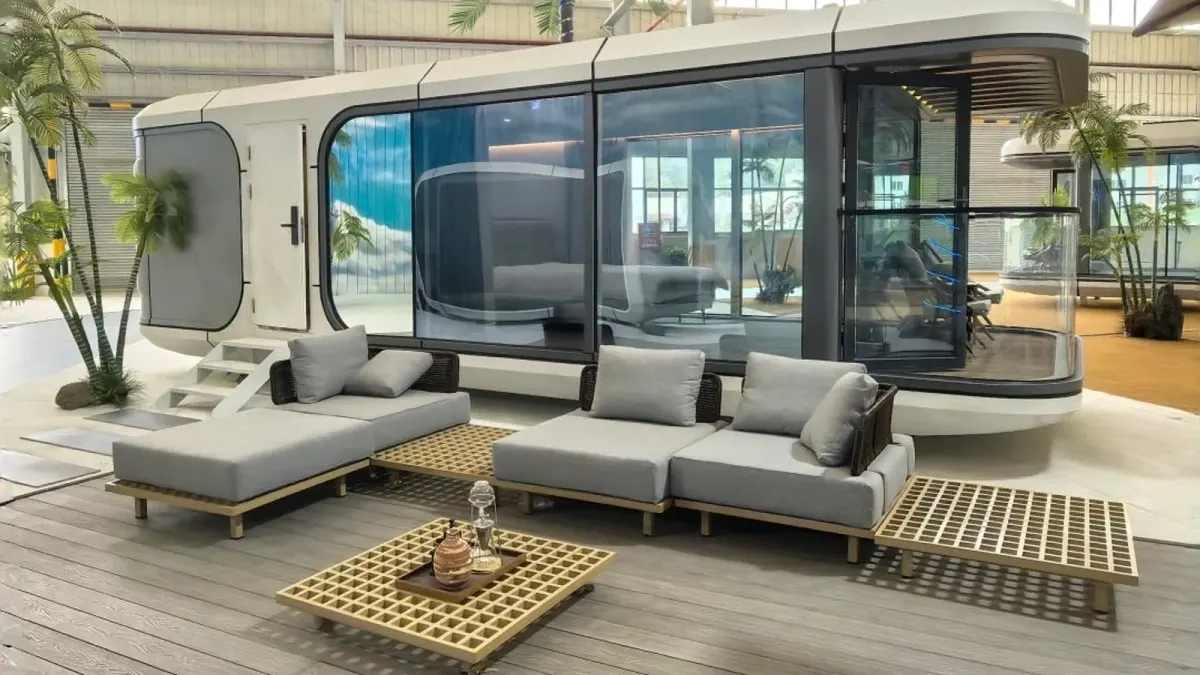
Signature suites matter because they create photography, marketing lift, and premium rate potential. But they should not consume the whole first-phase strategy.
A stronger desert resort mix usually combines:
- A limited number of premium panoramic or experiential suites.
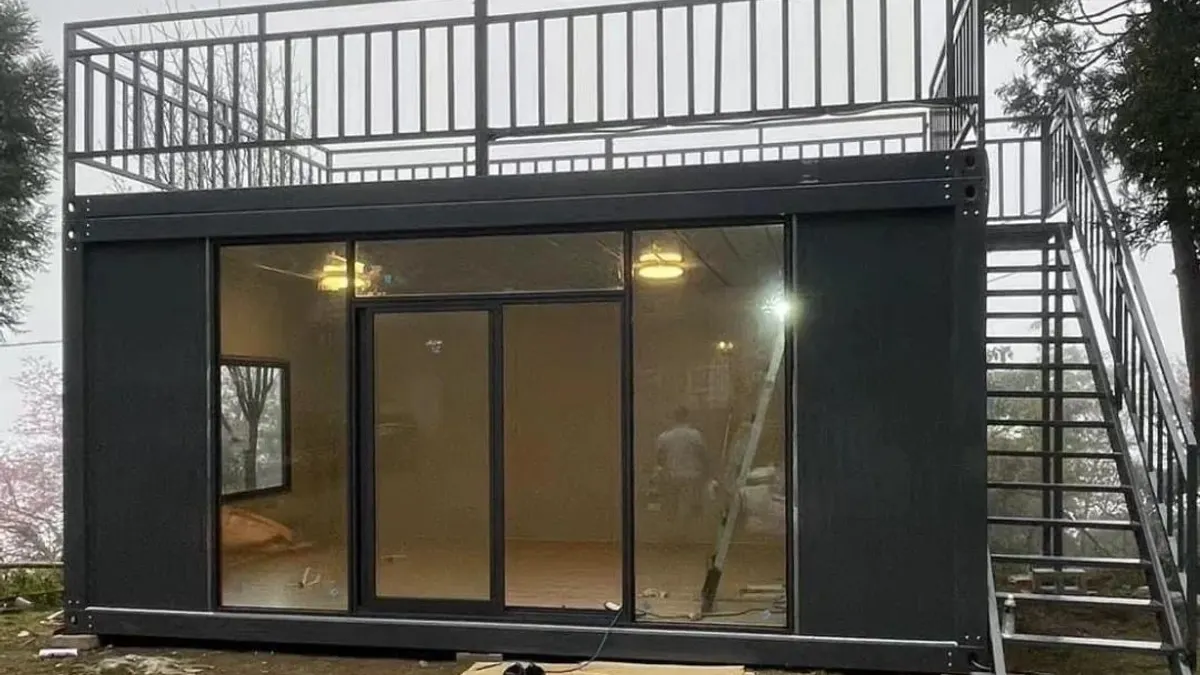
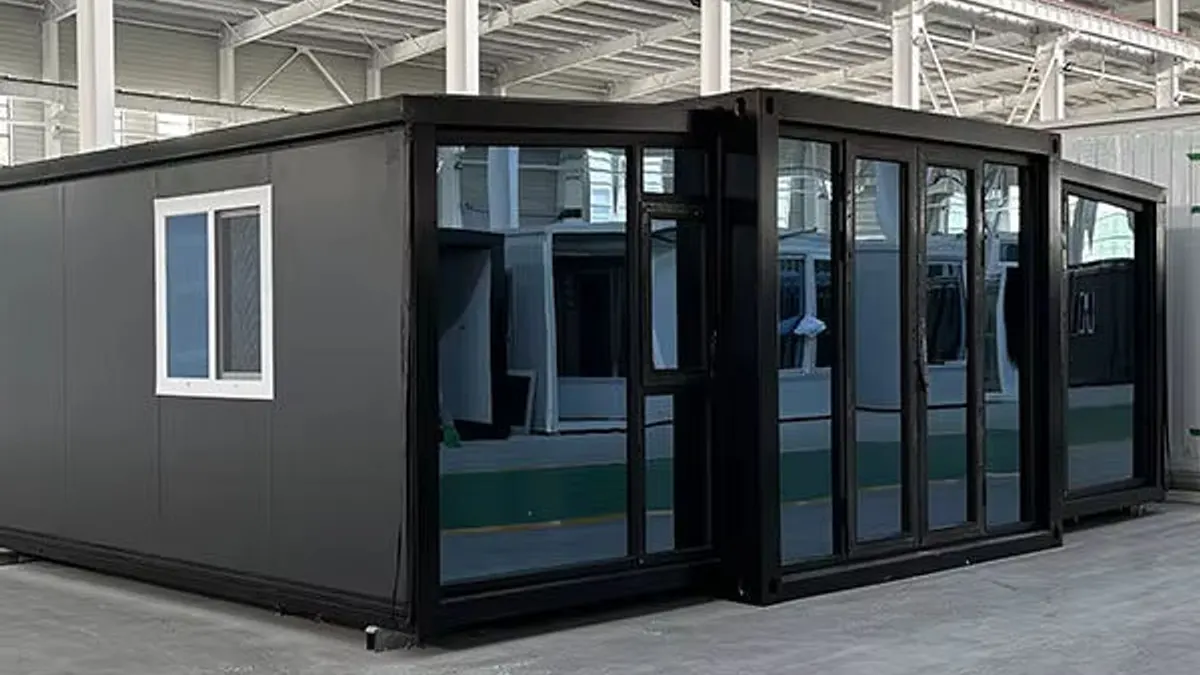
- A larger body of repeatable guest units with clear operating logic.
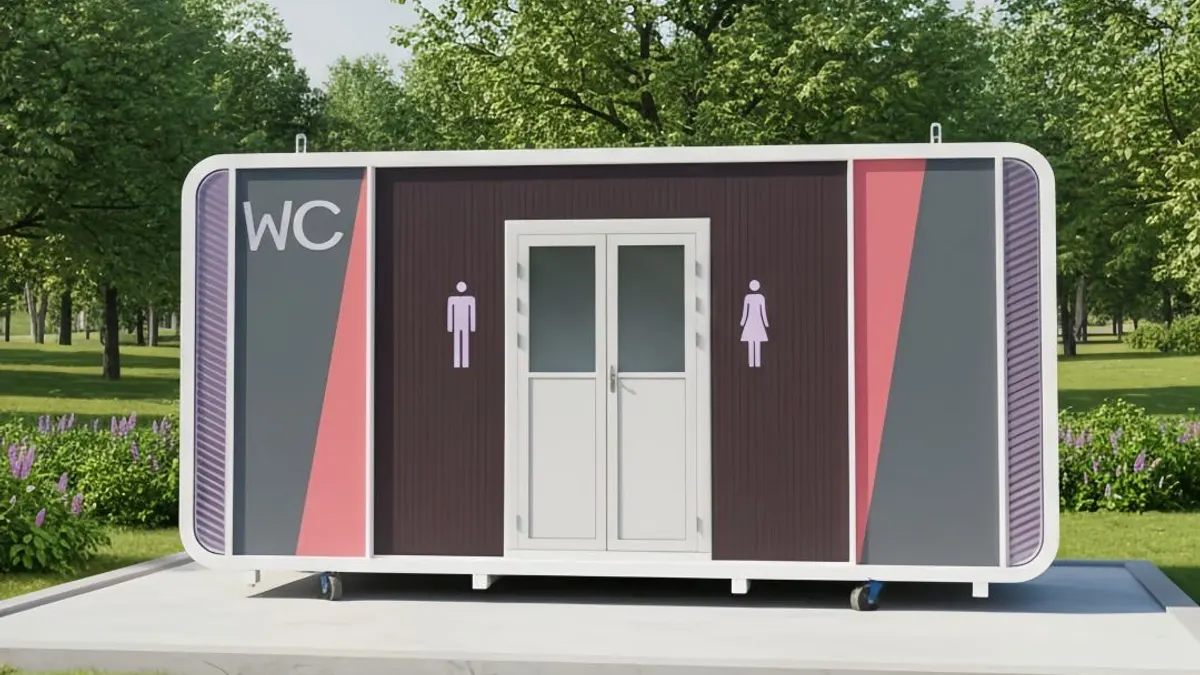
- One or two support types that stabilize family or group hospitality.
- A clear service pattern for housekeeping, maintenance, and replenishment.
This balance protects the project from becoming visually strong but operationally thin.
Plan Majlis, prayer support, and service spaces early
Middle East resort planning becomes much more coherent when the shared-space layer is drawn early rather than added at the end.
That layer often includes:
- A Majlis or receiving lounge for social hospitality.
- Prayer support or Musalla functions near the guest journey.
- Wudu or wash support where appropriate to the operating model.
- Service access routes that do not cut through premium guest paths.
- Shaded waiting, gathering, or transition zones.
For developers exploring this side of the program, the mobile Majlis planning guide is a useful companion because it frames privacy and hospitality flow as a project issue, not just an interior-design issue.
Heat, shade, and circulation change room value
In desert projects, room value is not decided by interior square meters alone.
A room type may become more or less attractive depending on:
- How much shaded approach it offers during daytime movement.
- Whether the deck or exterior seating is truly usable in high heat.
- The distance to shared hospitality, dining, or event zones.
- Wind exposure, dust exposure, and service-vehicle visibility.
- The degree of privacy between neighboring terraces and glazing lines.
That means the room mix and the site plan should be reviewed together. The same suite can feel premium in one placement and compromised in another.
A better first-phase room mix
For many desert resort launches, the strongest first phase is not the one with the most ambitious visual spread. It is the one that proves the operating rhythm.
A healthier first-phase mix often includes:
- A small number of signature suites for brand positioning.
- A repeatable standard room type that can scale later.
- At least one hospitality support space, such as a Majlis or receiving lounge.
- A prayer-aware or family-aware circulation strategy where relevant.
- Back-of-house logic that can grow without reworking the guest core.
This is similar to what we already see in modular resort planning globally: a project becomes more investable when the first phase proves repeatable operations, not just dramatic renders.
Room mix should follow stay behavior
A desert resort room mix should not be copied from a hotel spreadsheet. It should follow who travels together, how privacy is managed, how outdoor space is used, and how service reaches each unit.
The right mix can make operations calmer and revenue more resilient because every unit type has a clear reason to exist.