The comparison is not only product versus product
Park model RVs and trailer-ready cabin modules are often placed in the same conversation because both can add fixed-feeling lodging to outdoor hospitality sites. But the useful comparison is not a beauty contest between two unit types. It is a decision about operating model, site rules, utility assumptions, guest expectations, and future flexibility.
For 2026 inventory planning, the question is not which category sounds more popular. The question is which type of unit fits the property you are actually running.
Park model RVs carry a familiar campground logic
Park model RVs have a recognizable place in many North American campgrounds. They can feel familiar to operators, lenders, guests, and certain jurisdictions. Their strengths often include established supplier channels, campground-friendly styling, and a clear relationship to seasonal outdoor lodging.
That familiarity can be valuable. It can also hide practical details: transport, anchoring, skirting, deck integration, utility hookups, ownership model, replacement cycle, and local interpretation of where the unit is allowed.
Trailer-ready cabins solve a different flexibility problem
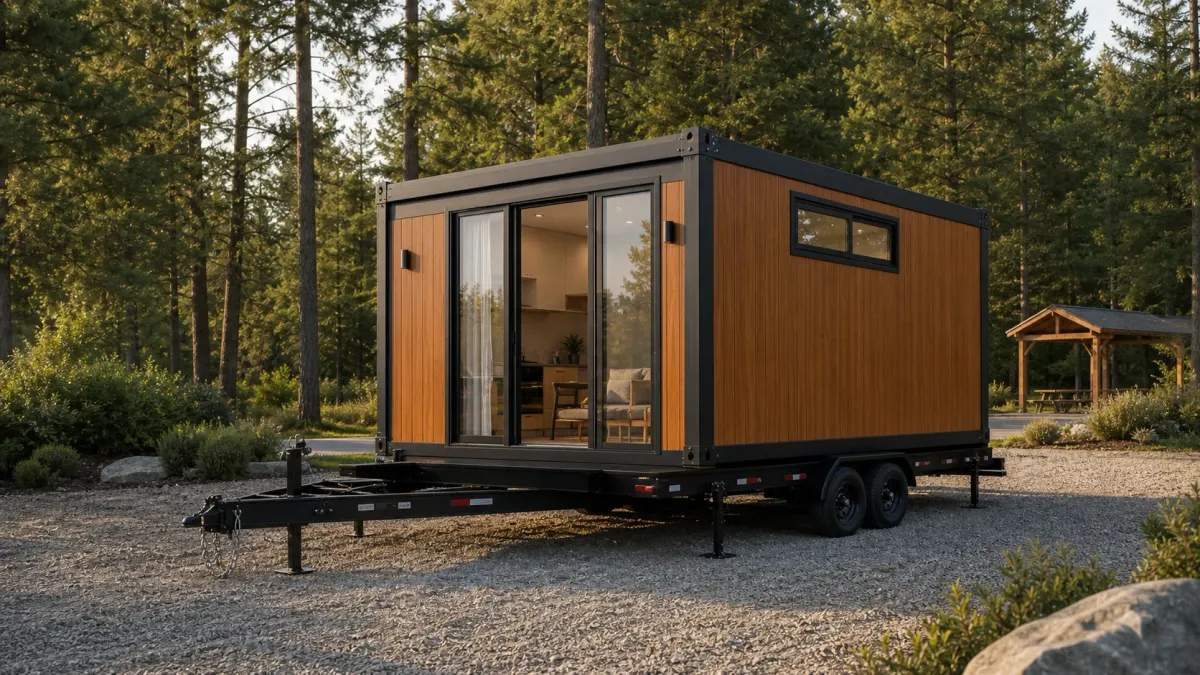
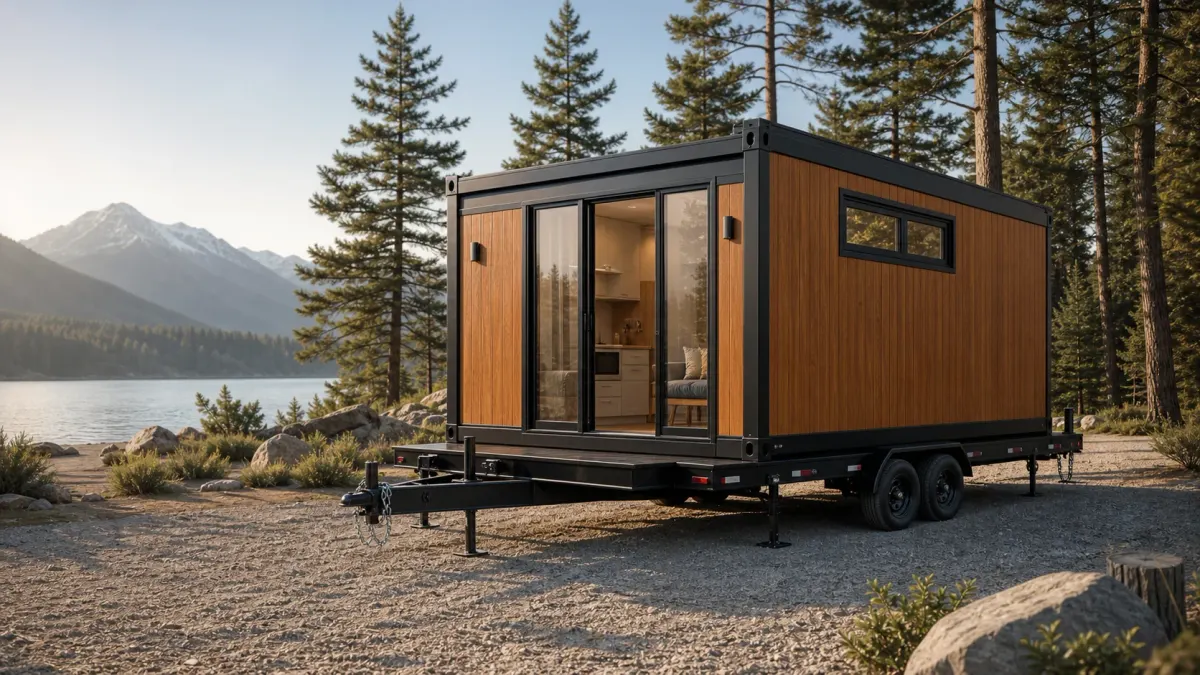
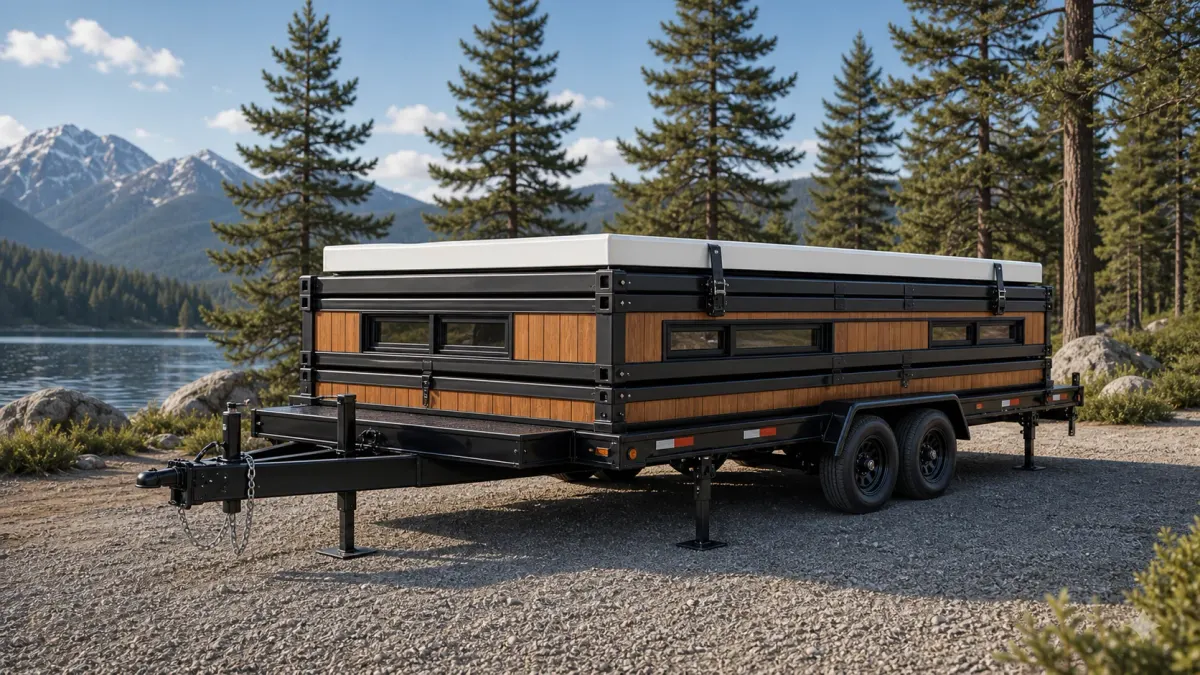
Trailer-ready cabin modules are usually evaluated through the lens of controlled interior space, transport planning, and modular repeatability. They may suit operators who want a more cabin-like guest experience while still keeping delivery and site installation more predictable than full conventional construction.
Their advantage is not that they replace every park model. Their advantage is that they can become a separate lodging layer: compact suites, staff rooms, premium pads, shoulder-season inventory, or test units for a new zone.
Utilities reveal the real difference
The most important comparison often happens underground or behind the wall. Electrical load, water, wastewater, HVAC, metering, winterization, access panels, and maintenance routes determine how easy the inventory is to operate.
A unit that looks perfect in a brochure may become difficult if it does not match existing pedestals, water pressure, breaker capacity, septic assumptions, or service access. A boring utility matrix can save an expensive mistake.
Guest expectation should shape the answer
Some guests want a campground feel with decks, picnic tables, fire rings, and a simple indoor room. Others expect boutique cabin comfort, a quieter sleeping environment, better bathroom privacy, and a stronger year-round feel. These are not identical expectations.
Operators should define whether the unit is meant to serve RV-adjacent guests, non-RV families, couples, staff, long-weekend visitors, or premium shoulder-season stays. The best inventory decision comes after the guest use case is named.
A comparison matrix for 2026
A useful matrix should compare site eligibility, transport route, setup time, utility interface, code and local review path, maintenance access, guest capacity, deck or porch strategy, replacement plan, financing assumptions, and resale or relocation options.
This matrix does not have to prove one answer for every park. It should make trade-offs visible enough that owners can choose deliberately.
The practical conclusion
Park model RVs and trailer-ready cabins can both be valid. They are simply not interchangeable. One may fit a seasonal campground expansion; the other may fit a controlled cabin inventory strategy. Some properties may use both.
The stronger 2026 plan begins with the site and guest model, then selects the unit type. Starting with the unit first is how outdoor lodging projects drift into expensive compromises.