Nightly rate is the visible number
When campground owners discuss cabin inventory, the first question is often nightly rate. What can the unit rent for? How many nights can it sell? How quickly can the investment pay back? Those are valid questions, but they are not the beginning of the economics.
The economics begin with the scope that does not appear in the listing photo: electrical capacity, water, wastewater, site grading, decks, parking, housekeeping, metering, maintenance access, and replacement reserve.
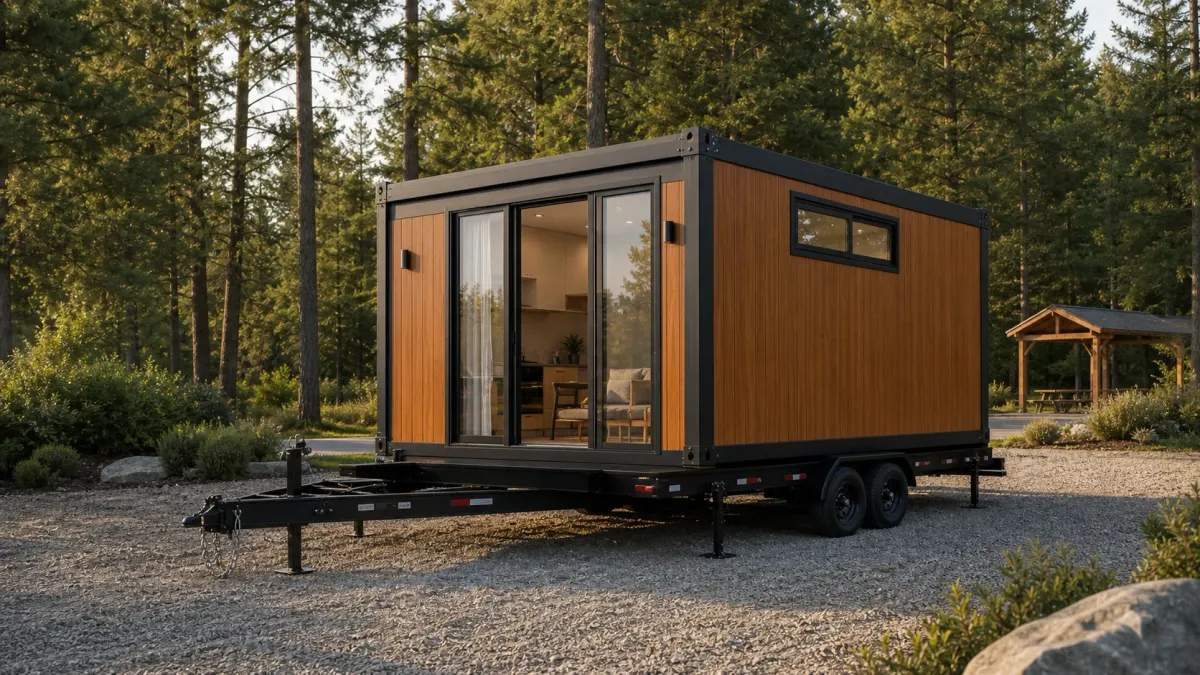
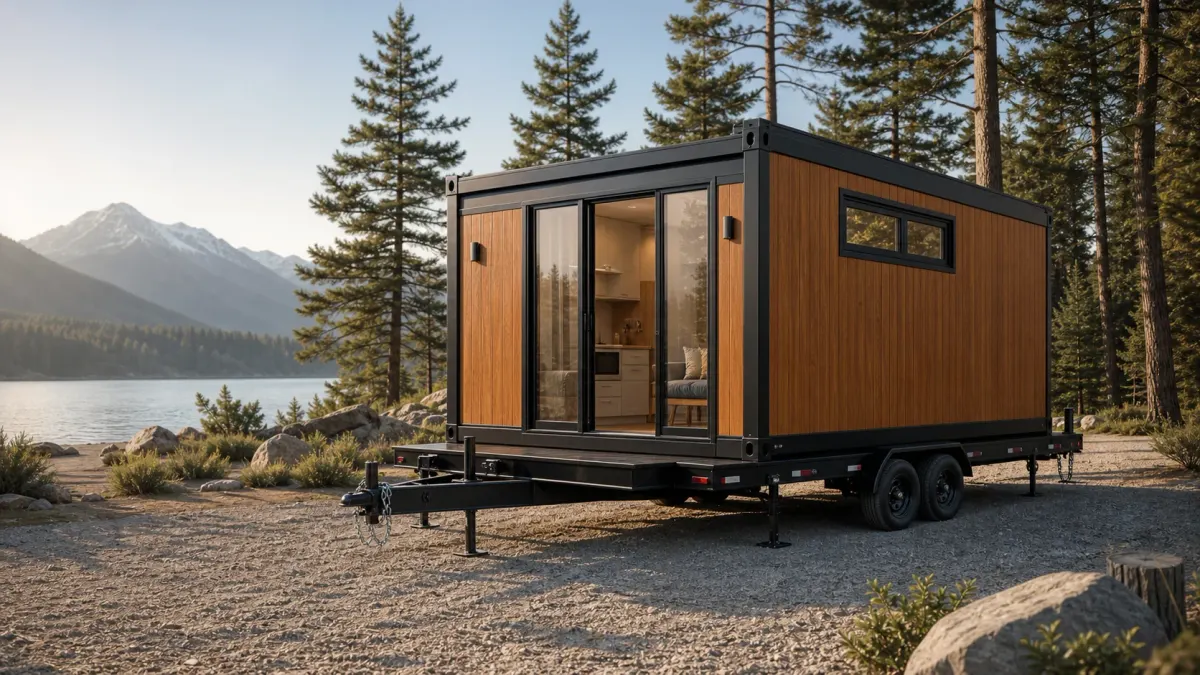
A cabin is a small building with real service demand
A cabin guest may use heating, cooling, lighting, hot water, appliances, Wi-Fi, bathroom fixtures, outdoor seating, and parking. Even a compact unit can require more service coordination than an RV pad because the operator owns more of the guest experience.
That is the difference between renting a site and operating a room. The revenue may be higher, but the responsibilities are also higher.
Utility scope changes the pricing floor
If a cabin requires electrical upgrades, new trenching, water pressure work, septic expansion, metering, or winterization, the pricing model should reflect that. A nightly rate copied from a competitor may not cover a property’s actual infrastructure cost.
The pricing floor is not only the unit cost divided by expected nights. It is the unit plus the utility and operating system required to make that unit perform.
Short stays increase cleaning math
A cabin sold as short-stay lodging needs cleaning, linen management, inspection, repair tracking, and guest communication. A two-night stay and a six-night stay can produce similar cleaning work but very different revenue per turnover.
This is why minimum stay rules, cleaning fees, staffing, and check-in timing should be part of pricing rather than handled later.
Metering can protect margin and behavior
Utility metering is not only a billing tool. It helps operators see load, identify abnormal use, compare units, and plan upgrades. In properties adding heat pumps, EV charging, or more electric amenities, visibility becomes part of margin control.
Without metering or at least disciplined load tracking, operators may discover utility pressure only after guest complaints or inflated bills.
A stronger 2026 cabin pro forma
A useful pro forma should separate unit cost, delivery, site work, utility upgrades, decks, furnishings, soft goods, cleaning labor, linen cycles, maintenance reserve, insurance assumptions, booking fees, and seasonal occupancy. It should also test low, base, and high demand scenarios.
The point is not to make the spreadsheet complex. The point is to stop hiding infrastructure inside optimistic rent assumptions.
Pricing should follow operating truth
A cabin can be a strong revenue layer for an RV park, but only when the nightly rate is connected to the real scope of service. Otherwise, the operator may fill the calendar and still feel margin pressure.
The best pricing conversation starts with the utility and operations plan, then moves to rate strategy. That order keeps enthusiasm tied to reality.