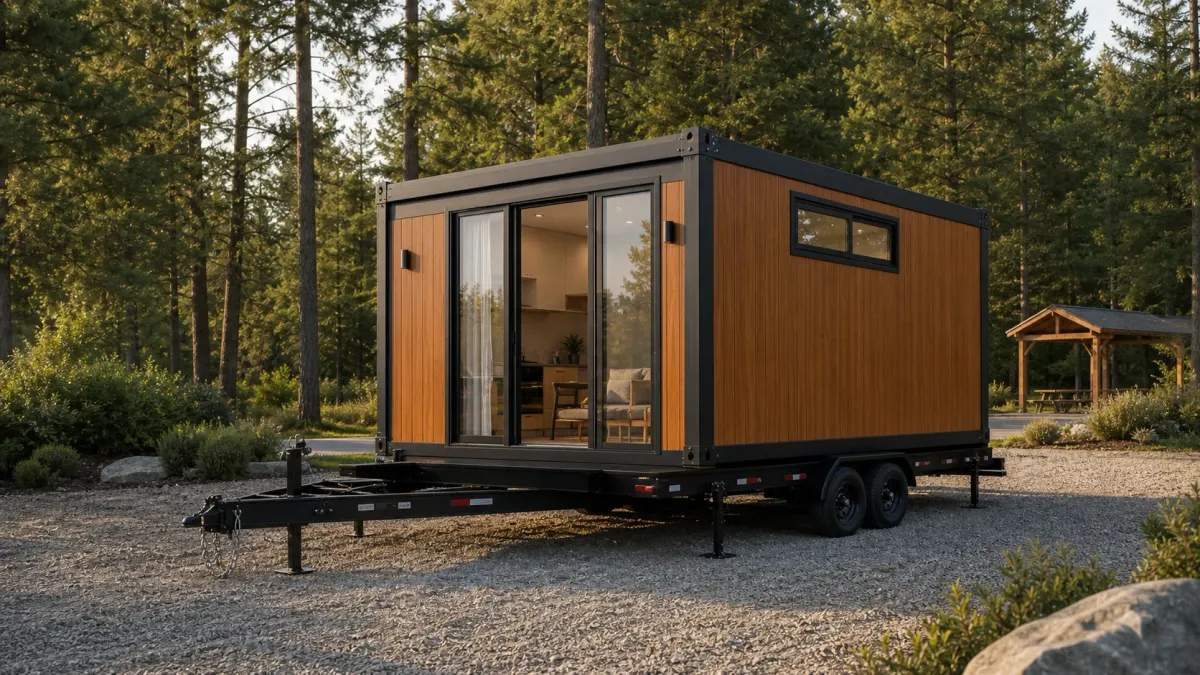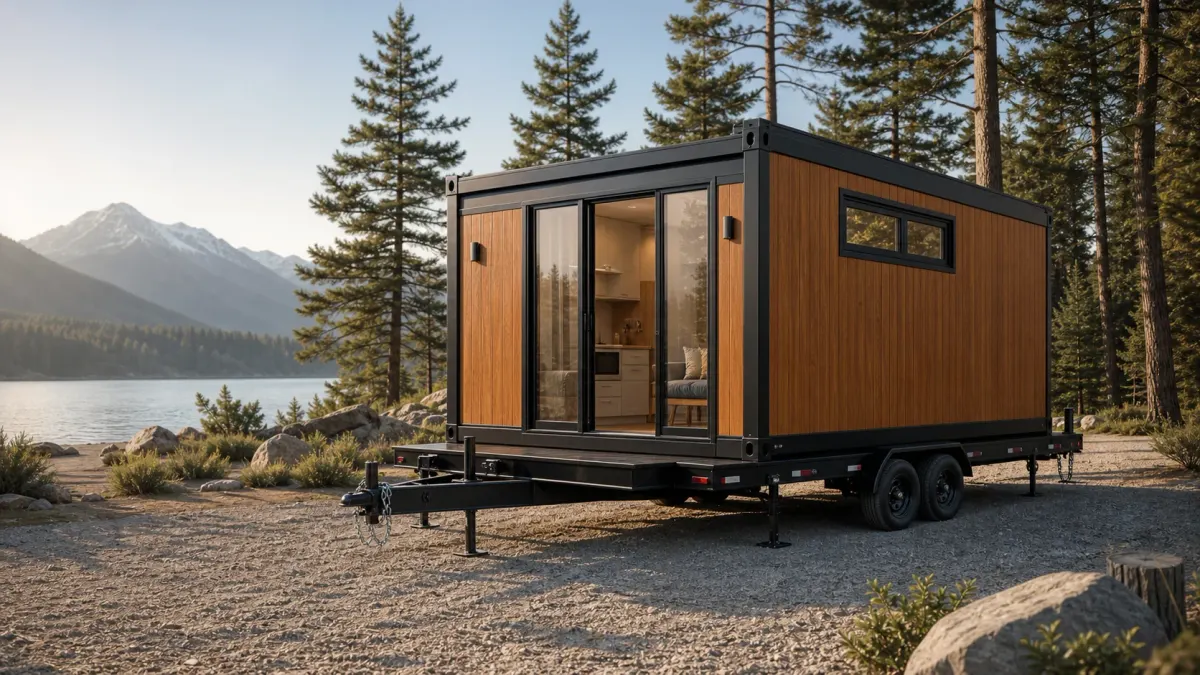
A colder night changes the product
A summer cabin and a shoulder-season cabin may look identical in photos, but they are not the same operating product. Cooler nights change guest expectations, heating loads, bedding, arrival timing, cleaning needs, and refund conversations. A cabin that works in July may disappoint in October if the comfort promise is not designed.
That is why shoulder-season revenue should start with the experience being sold, not the calendar dates being added.
Revenue math can hide operating friction
Adding more sellable nights looks attractive on a spreadsheet. The hidden question is whether staff, utilities, housekeeping, and maintenance can support those nights without stress. If a cold weekend creates frozen hose issues, heating complaints, late check-ins, or damp interiors, the added revenue may be less valuable than it appears.
The owner should compare incremental revenue with incremental complexity.
Comfort needs plain language
Guests should know what the cabin can and cannot provide. Is it heated for cool evenings or winter conditions? Is bedding included? Are outdoor kitchens seasonal? Are paths lit in early darkness? Are pets allowed in wet weather? Clear language prevents the guest from imagining a more complete product than the property is prepared to deliver.
The first shoulder-season pilot should be small enough to learn from
A pilot zone helps operators watch real behavior: when guests arrive, how long heating runs, how muddy paths become, how cleaning changes, and which messages reduce confusion. The goal is not only occupancy. The goal is learning how to operate the season without turning every weekend into an exception.
Cabins must work with the rest of the property
If the bathhouse, store, check-in office, road lighting, and staff schedule still behave like peak summer, the cabin alone cannot create a shoulder-season product. The property must decide which services remain open, which are reduced, and how the guest experience stays coherent.
The better goal
The best shoulder-season cabin plan does not chase every possible night. It selects the nights the property can serve well. A realistic season, clearly communicated, usually builds more trust than a long season full of fragile promises.
The weather policy should be written before the season is sold
Shoulder-season guests are more sensitive to unclear weather rules. If a cold snap, heavy rain, early snow, or muddy access changes the experience, the property needs a policy before the booking is made. Staff should know what can be offered, what cannot be promised, and when a guest should be warned before arrival.
A clear weather policy protects both revenue and trust. It tells guests that the property is not improvising comfort after the forecast changes.
Heating is only one part of comfort
Operators often focus on the heater, but shoulder-season comfort includes more than temperature. Guests notice damp paths, cold bathroom trips, early darkness, firewood availability, condensation, bedding, and whether staff can respond after normal summer hours.
A cabin with adequate heat can still feel poorly prepared if the outdoor transition is muddy, the lighting is weak, or check-in instructions assume summer daylight. The full comfort chain should be reviewed before the season is marketed.
Do not let discounts define the season
Some parks try to sell shoulder-season nights mainly through lower prices. That can work for a limited audience, but it can also teach guests that the season is a discounted version of summer. A stronger approach is to define what the season is good for: quieter stays, cooler hikes, fall color, family weekends, remote work, or event lodging.
When the story is specific, the cabin is not merely cheaper. It is appropriate to a different kind of stay.
Shoulder season is a product design problem
A cabin that sells in July may not sell the same way in October. Shoulder-season guests care more about heat, mud control, indoor comfort, flexible cancellation, local food, and quiet work-friendly stays. Revenue planning should therefore change the product promise, not only the price.
If the stay experience is still written like peak summer, discounts may become the only lever. A better shoulder-season plan makes the colder or quieter period feel intentional.