The word wellness is easy to overuse
Wellness has become one of the most flexible words in hospitality. It can mean sleep, silence, walking trails, healthier food, yoga, privacy, fresh air, fewer screens, a hot shower after a hike, or simply not being woken by a truck at 6 a.m. For campground owners, that flexibility is both useful and dangerous.
It is useful because outdoor hospitality can deliver real restoration without pretending to be a medical retreat. It is dangerous because "wellness" can become a decorative label placed on the same noisy, poorly lit, overpacked accommodation plan. Guests notice the difference quickly.
Quiet is a site-planning decision
A quiet cabin zone is not quiet because the brochure says so. It is quiet because the site plan protects it. That may mean separating it from arrival lanes, laundry rooms, dumpsters, staff shortcuts, event lawns, dog areas, and late-night gathering spots. It may mean fewer units than the land could technically fit.
The operator should map noise by time of day. Morning service movement, afternoon pool traffic, evening campfires, and late-arrival headlights all affect the experience differently. A cabin that looks private at noon may feel exposed at night if its porch faces a circulation route.
Wellness guests buy recovery time
The valuable product is not just a bed. It is recovery time. That means sleep quality, predictable temperature, clean air, simple check-in, visual calm, and a sense that the guest can control the pace of the stay. A small cabin can support that if it is placed and operated with restraint.
This is where many sites overcomplicate the offer. More features do not always mean more restoration. A quiet reading deck, a shaded path, reliable hot water, good blackout control, and a well-designed arrival message may matter more than a long menu of add-ons.
Spacing is emotional as well as technical
Cabin spacing is usually discussed through setbacks, fire access, and density. Wellness zones need another layer: emotional spacing. Can guests sit outside without feeling watched? Can two families occupy neighboring cabins without hearing every conversation? Does the view create a sense of removal, even if the cabin is close to services?
Landscape buffers, porch orientation, window placement, lighting color, and path design can all change the feeling of distance. A well-spaced zone can be compact. A poorly oriented zone can feel crowded even with generous setbacks.
Operations can ruin the mood faster than architecture
A beautiful quiet zone can fail if operations ignore it. Cleaning carts, maintenance visits, waste pickup, staff radios, delivery vehicles, and guest communication all need rules. The question is not only where cabins go, but when service happens.
Some properties may need quiet hours that apply to staff as well as guests. Others may need luggage drop-off points that keep cars out of the cabin zone. The best rule is simple: every operational decision should protect the promise that sold the stay.
Where modular cabins can help and where they cannot
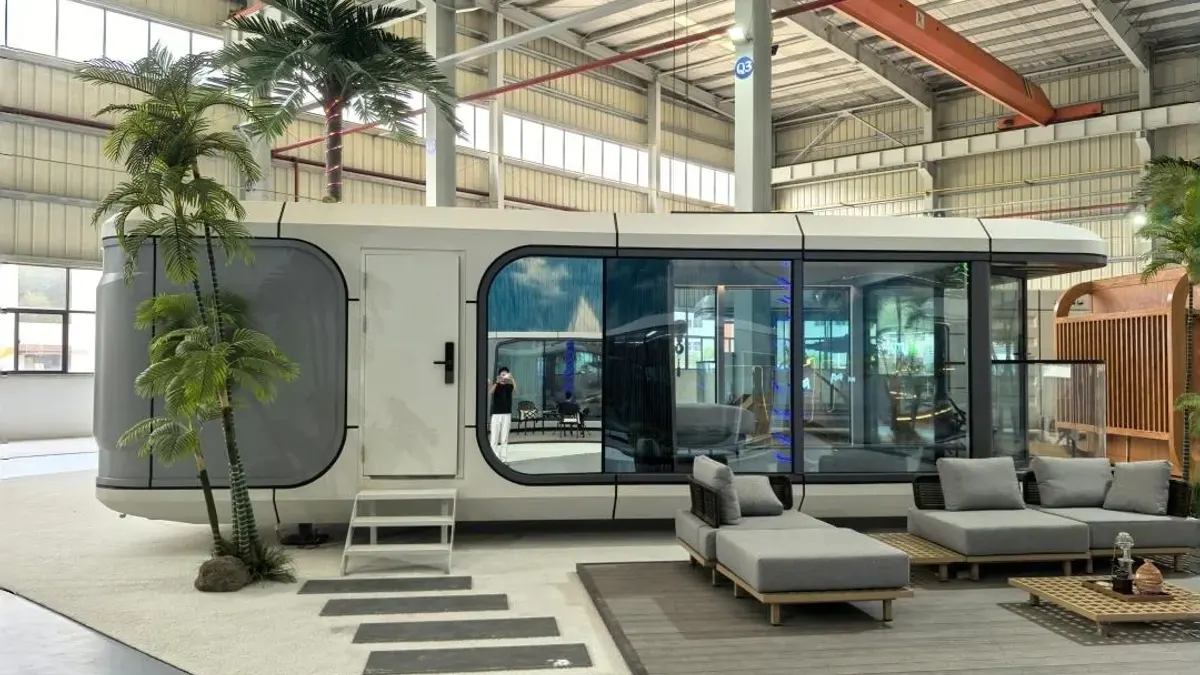
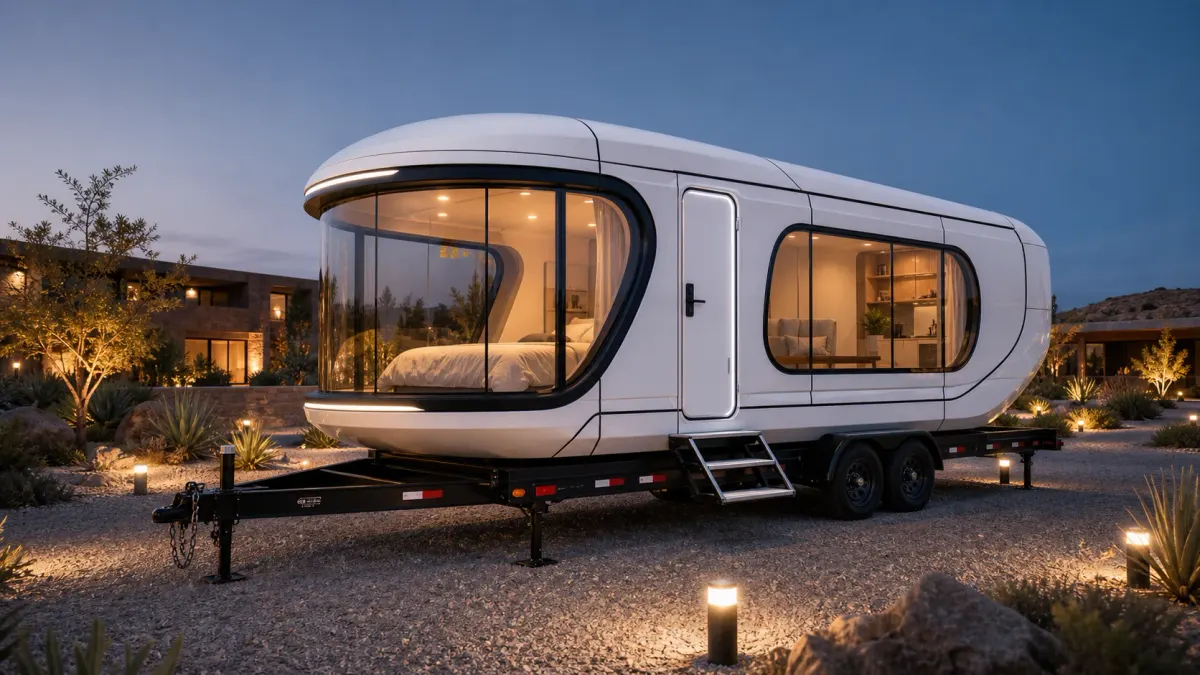
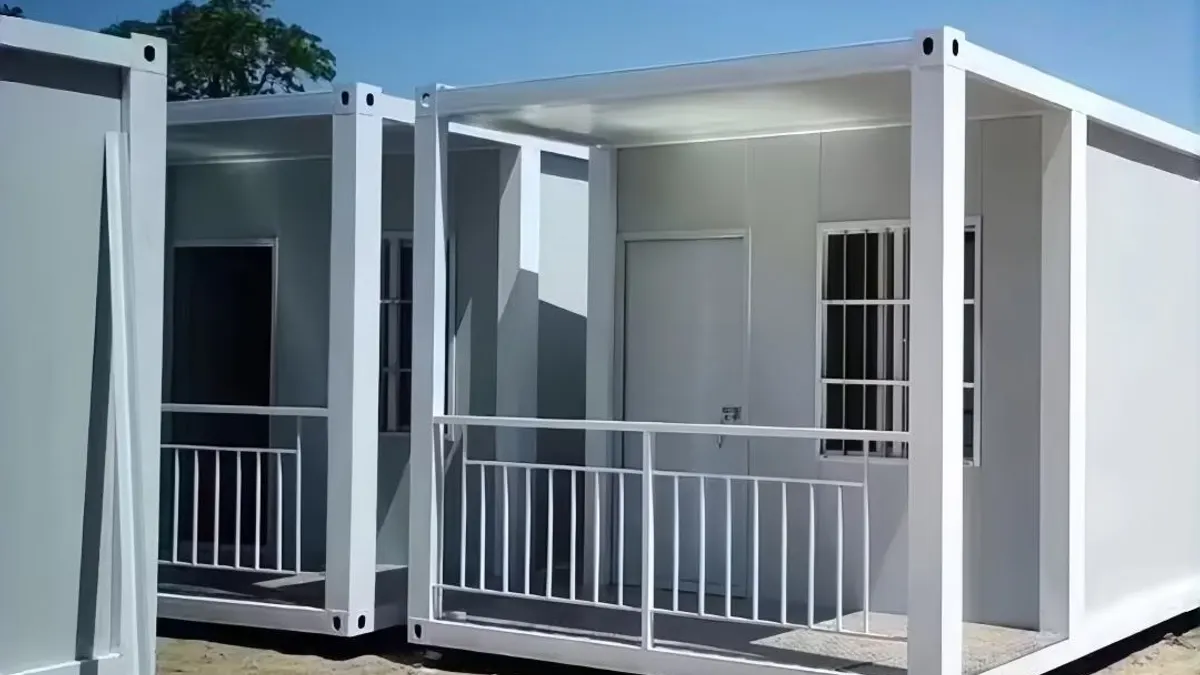
Factory-built cabins can help create repeatable room quality and a faster path to a pilot zone. They cannot create wellness by themselves. A unit with good insulation and clean interior design still needs a calm site, thoughtful lighting, service discipline, and landscape planning.
Owners should therefore evaluate cabins and site design together. The better question is not "which cabin looks like wellness?" It is "which cabin format supports the quiet, sleep, and privacy rules this site can realistically maintain?"
The practical takeaway
Wellness camping becomes credible when the operator protects rest as an operating principle. That means fewer generic claims and more site rules: where cars go, where staff move, how lighting behaves, how views are protected, how noise is managed, and how guest arrival feels.
The strongest quiet cabin zones are not the ones with the most slogans. They are the ones where guests can feel, within minutes, that the property has removed friction on purpose.