The tournament is bigger than the stadium map
World Cup 2026 is usually discussed through host cities, airports, hotel blocks, and match schedules. That view is necessary, but incomplete. A tournament spread across the United States, Canada, and Mexico also creates movement between cities, family road trips, fan caravans, regional detours, and overflow demand in places that are not shown as headline stadium destinations.
Campgrounds and RV parks sit inside that wider travel map. Some will not see direct stadium traffic. Others may become practical stopping points for families, fans, staff, vendors, and visitors who combine matches with national parks, beaches, outlet routes, or long-distance driving. The planning question is less about predicting one giant spike and more about understanding how many smaller spikes can arrive at the same property.
Hotel scarcity pushes guests toward mixed lodging
During major events, hotel rooms near the main venue often become expensive or scarce first. Guests then look for secondary options: airport corridors, small towns, vacation rentals, RV parks, campgrounds, cabins, and hybrid outdoor stays. That does not mean every campground should become an event village. It means properties near travel corridors should review whether their lodging mix can absorb temporary demand without damaging the normal guest experience.
A park with only RV pads depends on guests bringing the right vehicle. A park with cabins can serve visitors who want outdoor proximity but do not own an RV. A park with a small number of flexible units can test demand without rebuilding the entire business model.
The real constraint is operations, not only beds
Extra sleeping capacity is only useful if arrival, parking, utilities, cleaning, and quiet hours still work. Event travelers may arrive late, leave early, ask for short stays, travel in groups, and use more digital check-in support than seasonal guests. They may also have different expectations around Wi-Fi, luggage storage, ride-share pickup, and food access.
That makes the operations layer important. Before adding temporary cabins or expanding stay inventory, operators should map check-in windows, waste pickup, electric load, water pressure, housekeeping routes, and the staff time needed to reset units between short stays.
Regional parks need their own demand scenarios
A property 15 minutes from a stadium and a property three hours away from one should not use the same plan. Near-venue sites may deal with shuttle coordination, security, traffic, and high nightly rates. Regional sites may deal with pass-through stays, weekend compression, group bookings, and travelers extending a trip around nearby recreation.
The better forecast is a set of scenarios: normal summer demand, event-week overflow, regional road-trip demand, staff or vendor accommodation, and late-booking surge. Each scenario should be connected to a practical response rather than a headline assumption.
Cabins can protect the RV guest experience
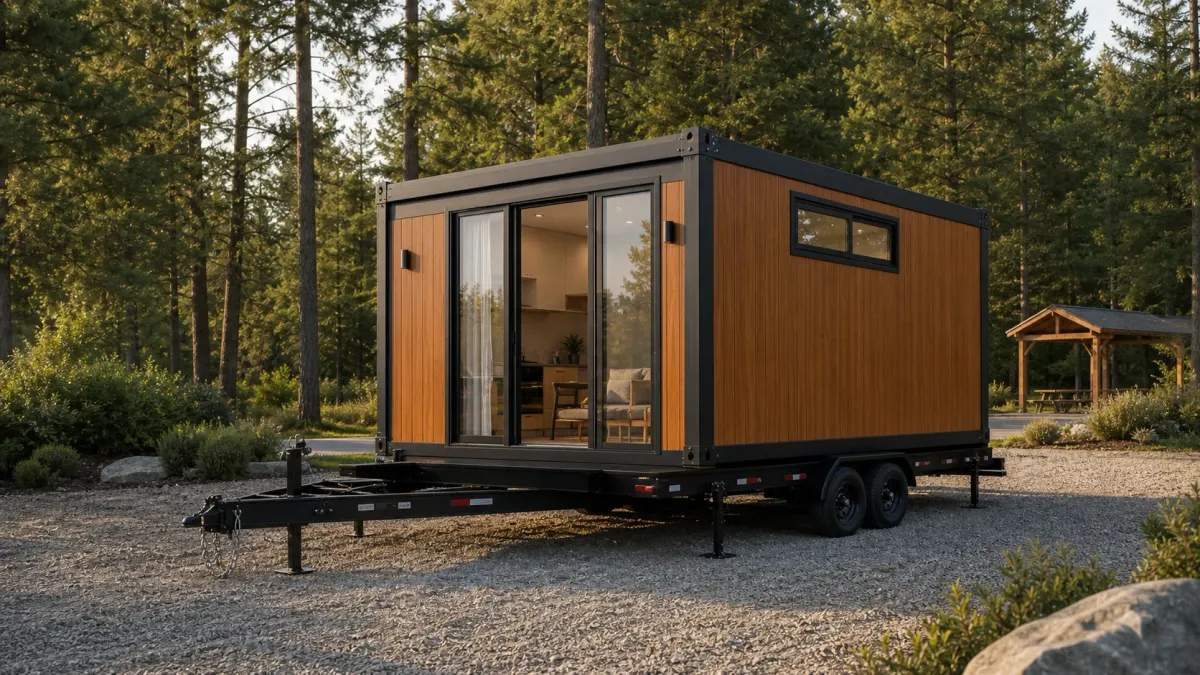
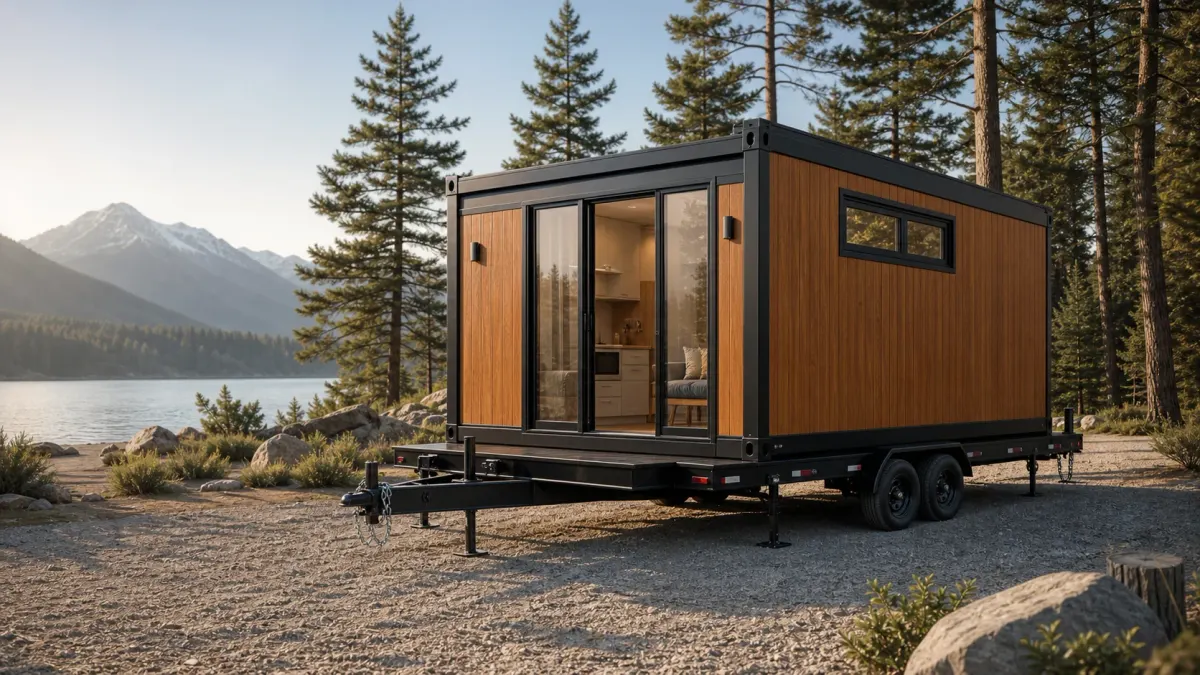
When demand rises, the easiest mistake is to crowd existing RV pads or place temporary units wherever space exists. That can reduce privacy, overload utilities, and make the property feel improvised. A better approach is to use cabins as a separate inventory layer with clear paths, defined parking, and services that do not compete with RV guests.
Cabins are most useful when they solve a specific mismatch: guests without RVs, staff needing short stay housing, families wanting a fixed indoor room, or operators needing a controlled overflow block. The design should protect the base business rather than interrupt it.
A disciplined pre-event review
A useful pre-event review should include route exposure, booking windows, minimum stay rules, cancellation policy, utility margins, cleaning turnaround, parking layout, emergency access, noise rules, and a guest communication plan. It should also define the point at which extra demand is no longer worth accepting.
That last point matters. Not every booking is good revenue if it creates poor reviews, utility failures, or staff burnout. Major events reward properties that know their limits before the calendar fills.
The lasting value is not one busy month
World Cup demand may be temporary, but the preparation can leave lasting value. Better wayfinding, cleaner check-in flows, more reliable utility mapping, and a balanced cabin layer can help a campground after the tournament ends.
The strongest outcome is not simply a sold-out event period. It is a property that used the pressure of a global event to become more legible, more flexible, and easier to operate for the next travel season.