Know what is actually failing in the old cabin stock
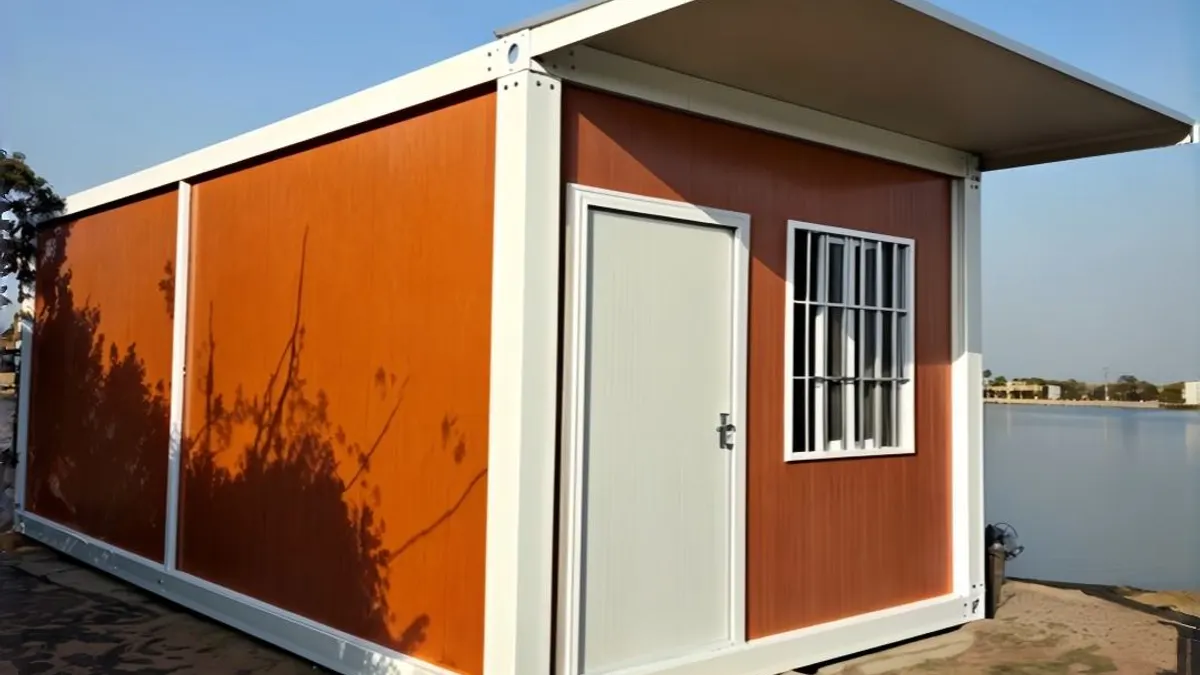
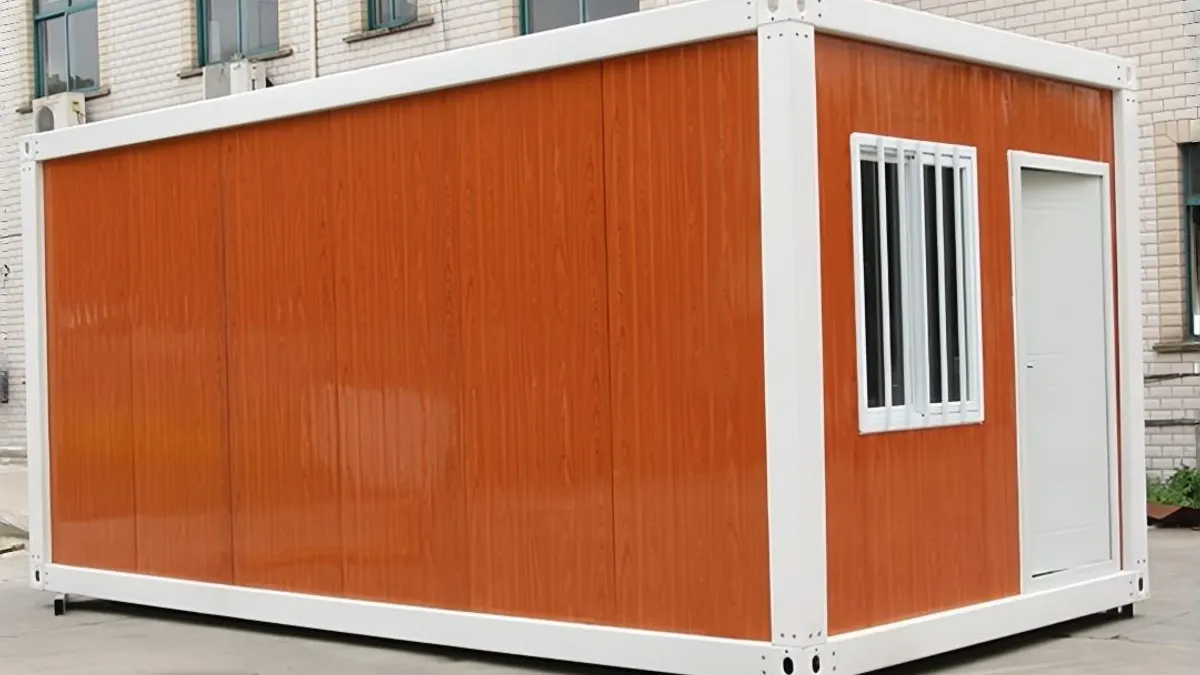
Many operators begin a campground cabin replacement project because the cabins feel old. That instinct is understandable, but it is more useful to define exactly what is failing before choosing a new format.
Usually the pain comes from a mix of problems:
- Exterior wear and weathering that keeps generating maintenance calls.
- Interior layouts that no longer match guest expectations.
- HVAC, plumbing, or electrical systems that are costly to keep alive.
- Room types that cannot justify current nightly rates.
- Cabin inventory that looks inconsistent across the property.
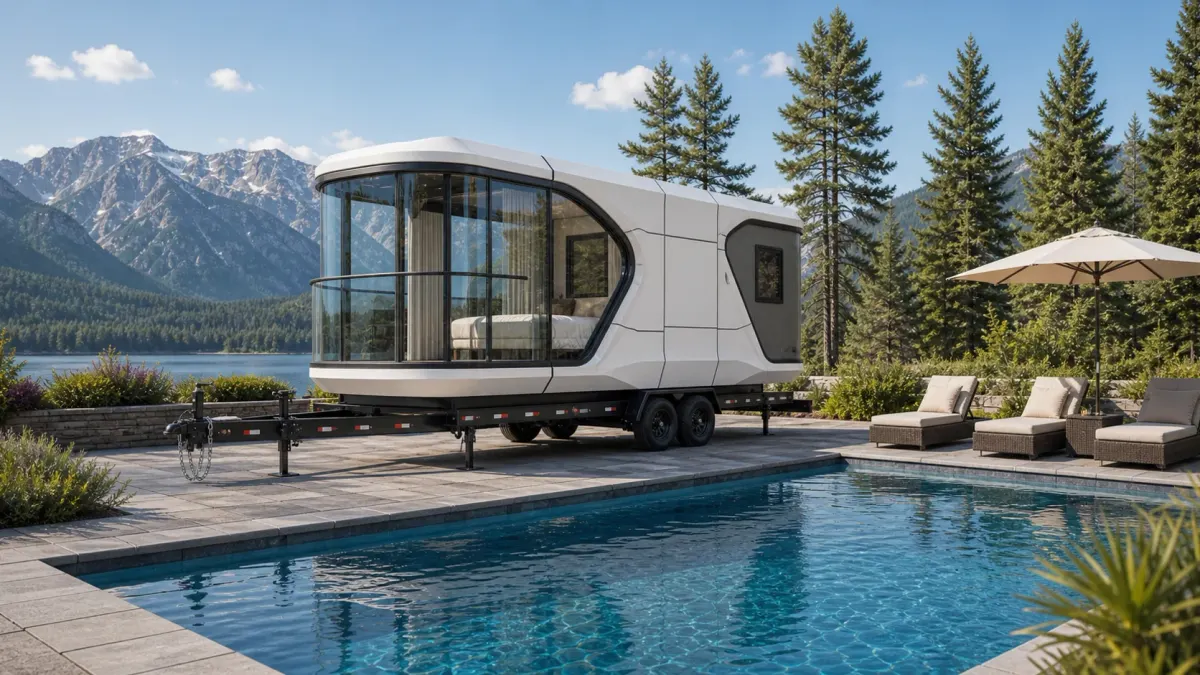
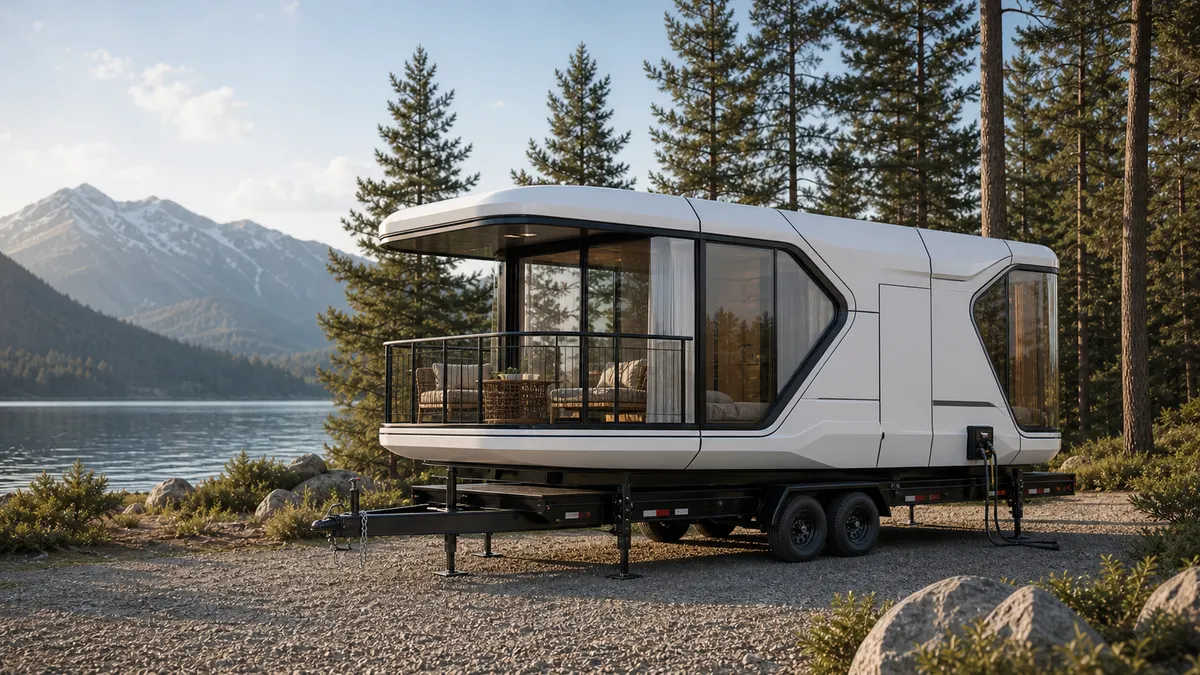
Once the operator identifies the real failure points, the replacement brief becomes much clearer. Some properties need a better hospitality room type. Others need easier maintenance logic. Others need a cleaner path for phased growth. That is where the North America Series becomes relevant, because it frames MK as a module supplier for deployment planning rather than as a one-click hospitality fix.
Replace a room type, not just a building
The strongest replacement projects do not treat the new cabin as a simple object swap. They treat it as a chance to reset the room standard.
That means asking:
- What guest segment should this cabin serve now?
- Is the property moving toward a premium retreat, a family cabin mix, or a simple upgraded campground cabin offer?
- Which view lots deserve the best replacement format first?
- Should deck privacy, glazing, and guest arrival be improved at the same time?
In other words, the goal is not just to remove an old box. The goal is to decide what the next repeatable room type should be. Operators working on wider outdoor hospitality logic can compare this with our glamping cabin site planning guide.
Check what site infrastructure can really be reused
A replacement project often looks easy on paper because the property already exists. In practice, infrastructure reuse needs a more careful check.
Look closely at:
- Existing power entry and whether it still fits the new load profile.
- Water and wastewater routing.
- Drainage around the current cabin pad or foundation area.
- Truck, trailer, or crane access for removal and installation.
- Guest circulation during the replacement window.
This is where many operators save or lose time. A good-looking unit that does not match the real utility layout can create a messy transition. If the property still has sections of underdeveloped land, it also helps to compare the replacement scope against the raw-land modular cabin checklist.
Plan the swap in phases so revenue does not disappear
Replacing aging cabins all at once can put too much pressure on cash flow and occupancy. A phased swap is often the more durable path.
A phased plan usually helps operators:
- Keep part of the inventory online while new units are added.
- Test which upgraded room type commands the best rate and feedback.
- Solve one utility or logistics problem at a time.
- Protect the property from a long construction-style disruption.
That is one reason modular cabins can work well for operators. They give the property a clearer rollout sequence instead of forcing one large rebuild moment.
What a supplier needs to know before production
Before a modular supplier can support a serious replacement plan, the operator should prepare a short project brief with the facts that matter:
- Existing cabin count and which cabins are being replaced first.
- Target occupancy per new unit.
- Climate and seasonal use pattern.
- Utility locations and any known service constraints.
- Access limitations for removal and delivery.
- Desired exterior character so the upgraded property still feels coherent.
The better this brief is, the easier it is to compare whether a trailer-ready cabin module, a hospitality-oriented capsule, or another modular format is the better replacement path. Buyers who are still sorting categories can also review the trailer-ready comparison guide.
Replacement is a chance to redesign the system
Replacing old cabins should not be treated as swapping boxes. It is a chance to rethink spacing, utilities, cleaning, accessibility, fire access, pricing, and the guest segment the park wants next.
The old cabin may reveal what the property has outgrown. The new cabin should respond to that lesson rather than simply occupy the same footprint.