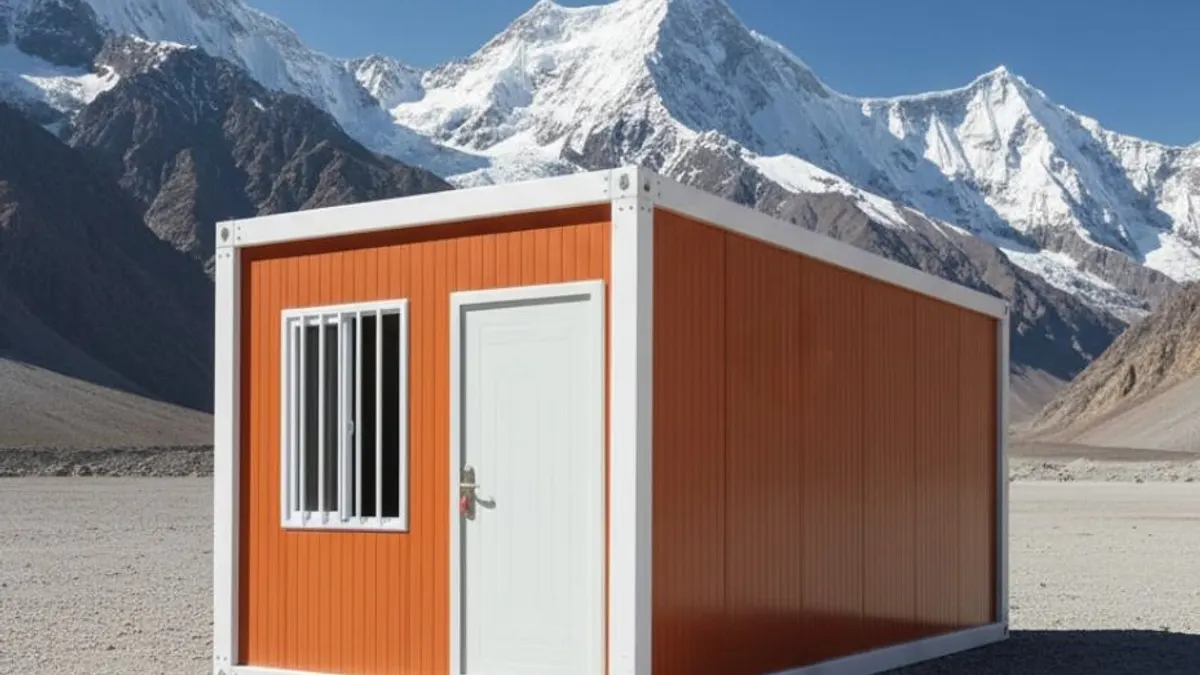
Aseer is not a desert resort with trees
Saudi mountain tourism has a different rhythm from coastal luxury or desert camp planning. Aseer brings cooler air, elevation, village context, dramatic viewpoints, rain patterns, local culture, and domestic family travel into the same planning conversation.
That changes how cabins should be placed and operated. The strongest accommodation plan should not simply import a desert resort playbook. It should respond to slope, view, privacy, road access, heritage character, and the way Saudi families use mountain destinations across seasons.
View is an asset, but access is the constraint
Mountain sites tempt planners to chase the best view. But the best view may also have the hardest road, the weakest utility access, the most difficult emergency route, or the highest grading cost. A cabin that photographs well can be a poor operating choice if housekeeping, water, waste, and guest arrival become complicated.
A better layout balances view quality with service logic. Some cabins can carry premium view positions. Others should sit where access, utilities, and maintenance are easier.
Village context requires a lighter footprint
Aseer tourism does not exist on empty land. Many sites are close to communities, farms, heritage areas, or scenic roads. Cabin planning should therefore avoid the feeling of imported objects scattered across a hillside.
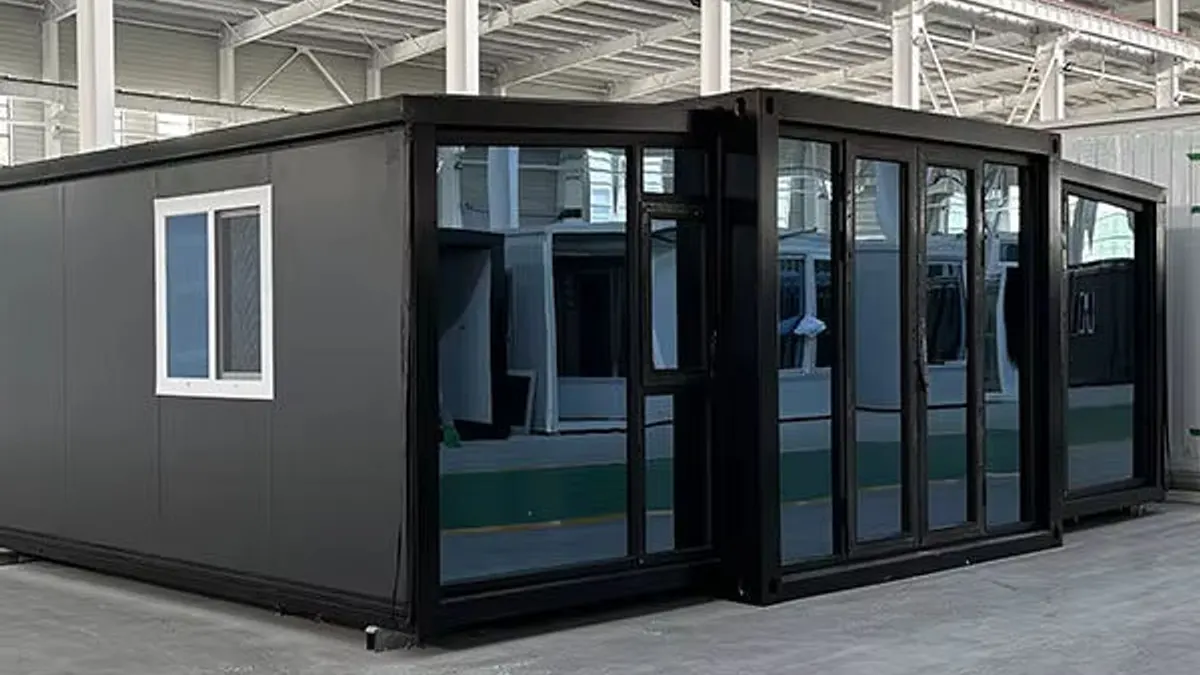
Scale, roofline, exterior color, lighting, signage, and night activity should respect the surrounding place. A modular cabin can still be modern, but it should not behave like a generic box with no memory of the landscape.
Weather changes the cabin brief
Cooler mountain weather can extend comfort, but it also introduces moisture, wind, drainage, fog, and temperature swings. A cabin brief should define insulation, ventilation, rainwater management, entry protection, floor finish, heating or cooling needs, and service access during wet periods.
The risk is assuming that Saudi planning is only about heat. In mountain areas, comfort can be a more complex seasonal equation.
Domestic demand needs family-friendly operations
Aseer can attract families, couples, road-trippers, hikers, and domestic leisure groups. These guests may value privacy, parking near the unit, outdoor sitting areas, safe paths, prayer-friendly layouts, and flexible room mixes.
The cabin plan should think beyond bed count. It should include arrival sequence, luggage movement, children’s safety, shaded outdoor seating, barbecue or food-service policy, and quiet-hour expectations.
Phasing is safer than overbuilding
Mountain demand can be seasonal and route-dependent. A phased cabin strategy lets operators test room mix, pricing, access, staffing, and maintenance before expanding. It also protects the landscape from a large first build that may not match real demand.
The first phase should be treated as a learning instrument: which views sell, which paths work, which service routes cause friction, and which unit type guests actually prefer.
A mountain-specific planning lens
The best Aseer cabin plan begins with terrain, not catalog pages. It asks where guests should arrive, how vehicles move, how water and waste are handled, where staff can work unseen, how views are protected, and how the place will feel at night.
That approach turns modular accommodation from a fast object into a careful mountain hospitality system.