Why early project phases need support functions before the main camp exists
Many remote desert projects do not begin with a fully built camp. They begin with an operating gap. People arrive, site activity starts, and basic functions are needed immediately even though the long-term camp layout is still taking shape.
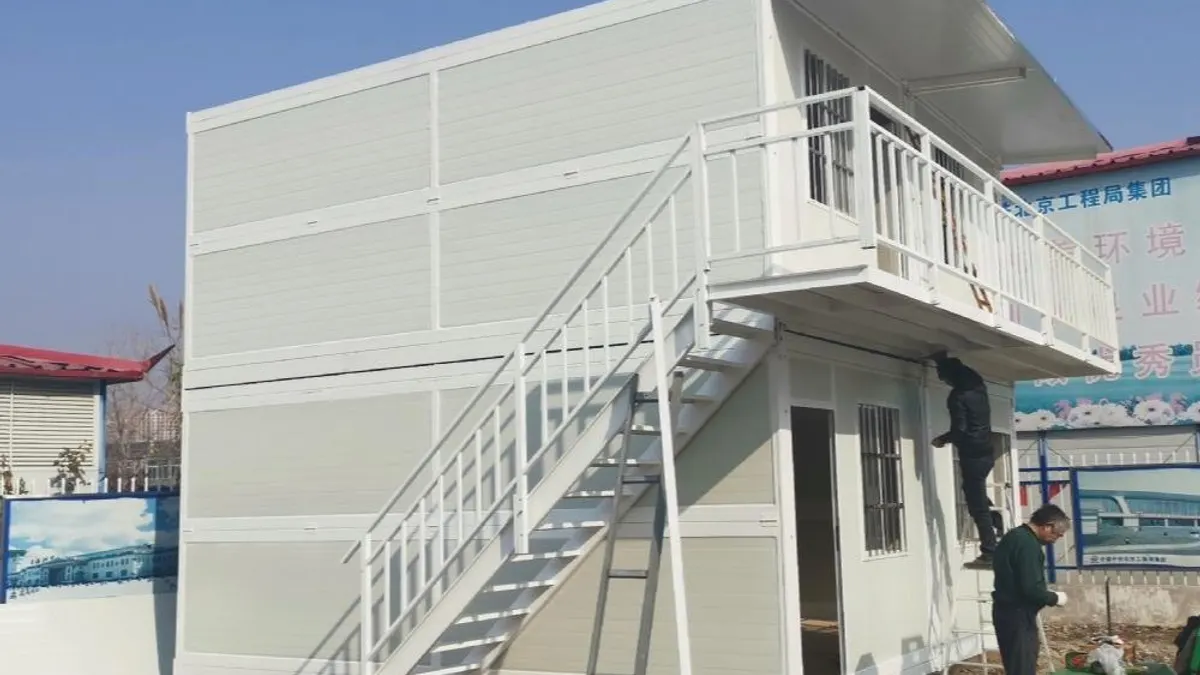
That is where mobile support units become useful. They can help project teams create an early operating layer for:
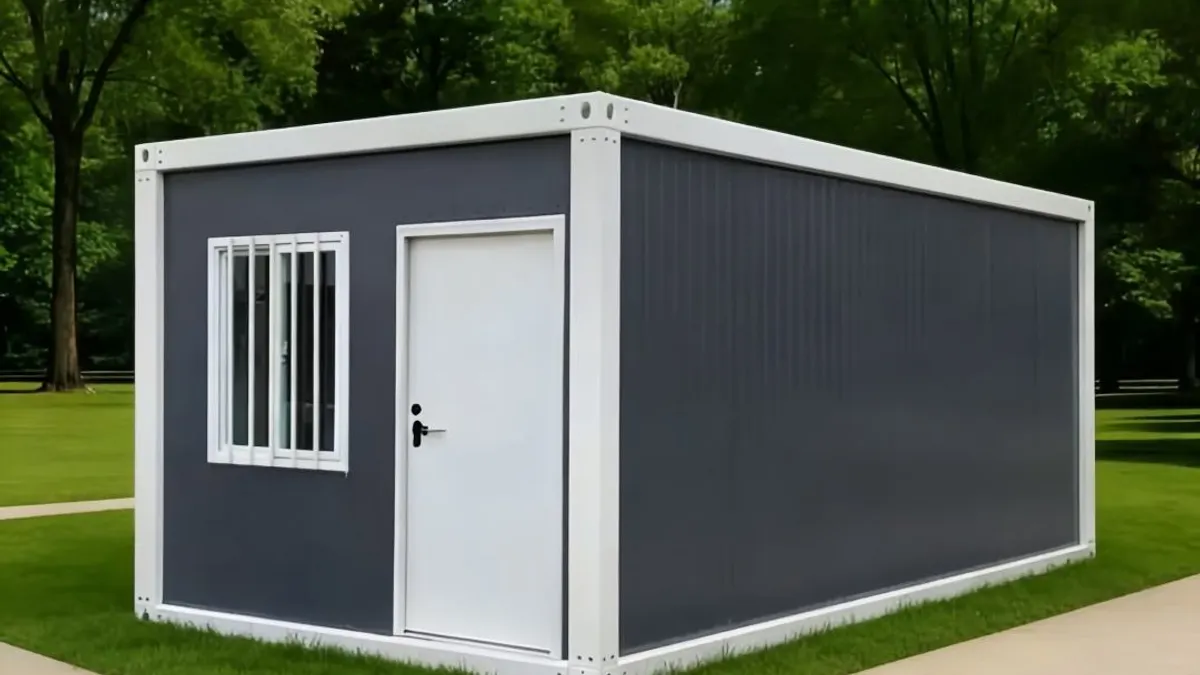
- Site offices.
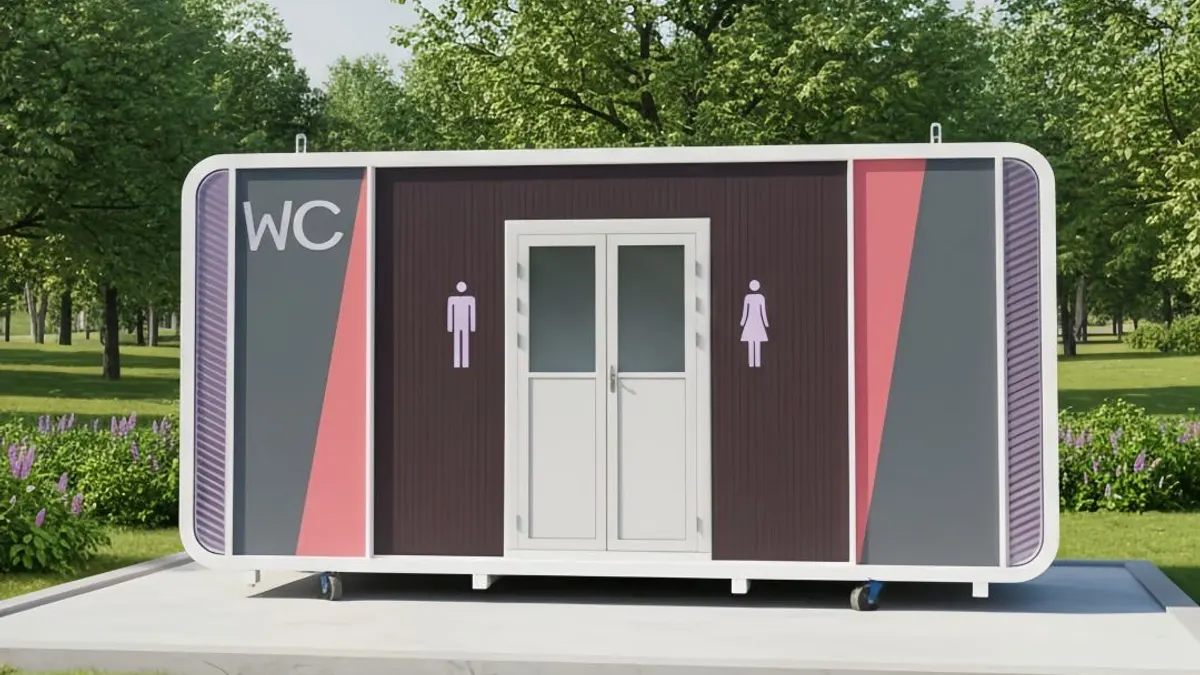
- Sanitation and wash functions.
- Guard and check-in points.
- Waiting or shaded support areas.
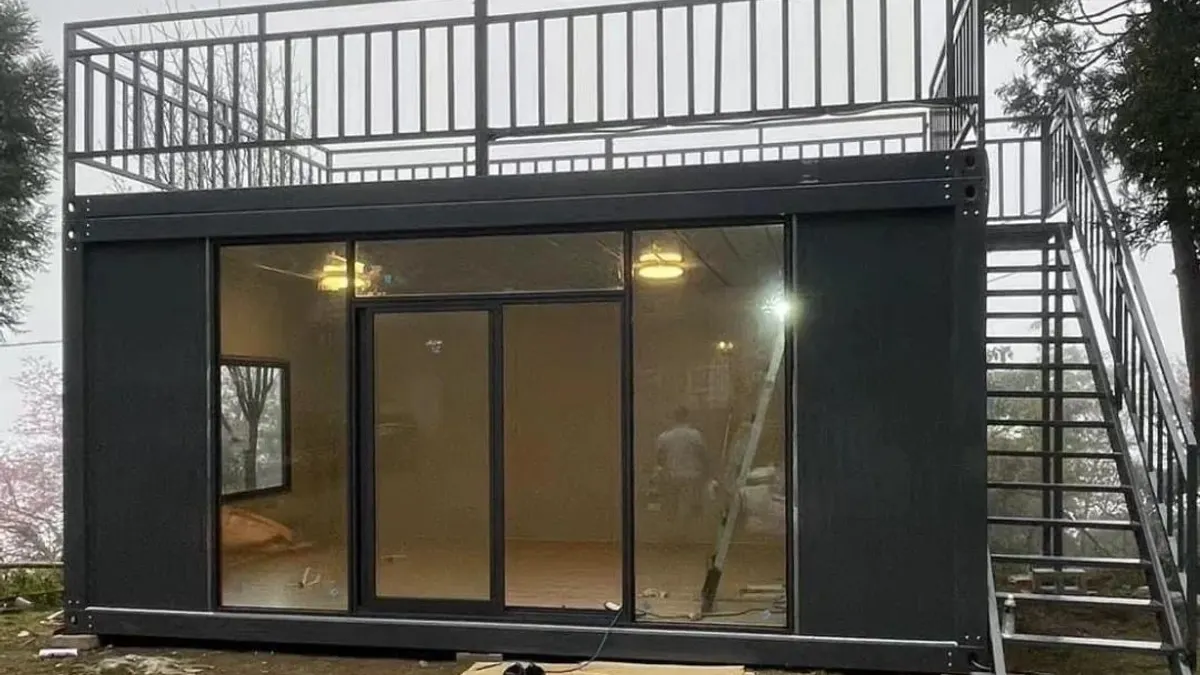
- Temporary accommodation or meeting support.
The key is to treat these units as part of a staged plan rather than as random stopgaps. That staged approach connects directly with the broader Middle East Series idea of matching modules to climate, privacy, and project rhythm instead of forcing one fixed deployment pattern from day one.
Choose the support functions that must mobilize first
The first deployment wave should answer one question: what must exist immediately for the site to work in a controlled way?
In many projects, the first functions are:
- Site office coordination.
- Toilet and hygiene support.
- Guard or access-control positions.
- Small meeting or briefing points.
- Selected rest or waiting functions for supervisors or visitors.
This is a much stronger planning sequence than ordering accommodation blocks first and assuming the support logic will appear later. In reality, the support layer often determines whether the early project phase feels organized or improvised.
Use mobile units for phase speed, but not for every long-term function
Mobile and detachable units are valuable because they move quickly and can be repositioned. But that does not mean every support function should remain mobile forever.
A useful distinction is:
- Mobile first-phase functions: early offices, check-in points, small sanitation support, temporary rest areas.
- More stable later-phase functions: major dining, large hygiene clusters, central utility nodes, regular workforce housing blocks.
Once buyers define which functions need phase speed and which need long-term stability, it becomes easier to select from detachable office modules, portable toilet units, shaded structures, or larger camp blocks in the wider product library.
Relocation logic should be written into the project plan from day one
One common mistake is assuming a mobile unit can simply be moved later without any planning cost.
A better approach is to define relocation logic early:
- What triggers the move from temporary location to next location?
- Which utility connections will need to be reset?
- How will resident and service circulation change after relocation?
- Does the temporary pad or access road remain useful later?
- Which units may become part of the permanent support layout instead of moving again?
This matters because mobility is only valuable when it reduces disorder. If relocation is vague, the project can accumulate scattered support units that never form a coherent camp pattern.
Keep worker, leadership, and service flows clear even in temporary setups
Temporary deployment still needs hierarchy and order.
Even in a fast first-phase setup, buyers should separate:
- Worker movement.
- Leadership or visitor arrival.
- Service and maintenance access.
- Waste and sanitation routes.
- Quiet work or briefing functions.
This does not require a large site. It requires disciplined placement. Teams that expect visiting leadership or owner-side reviews can also compare this with the executive site suite planning article, because leadership flow often appears earlier than the full camp does.
Temporary units still need disciplined utility and maintenance planning
A temporary office or toilet module can create lasting problems if the utility planning is casual.
Buyers should define:
- Power source and backup assumptions.
- Water delivery or storage method.
- Drainage and wastewater handling.
- Cleaning and maintenance responsibility.
- Dust protection around entries and equipment.
- Lighting and after-dark safety around the unit cluster.
Temporary does not mean low-discipline. In desert projects, even a short-term support layout should still respect the site reality.
Early support should reduce later waste
Mobile support units are most valuable when they help the site learn before the full camp is fixed: where people move, when services peak, which rooms are missing, and which assumptions were wrong.
If that learning is captured, the temporary layer reduces waste in the permanent build. If it is ignored, the site simply repeats the same mistakes with more expensive materials.