Why RV road trip checklists help cabin buyers
People searching for RV road trip preparation are often thinking about comfort, freedom, and practical setup. Those same questions matter when a buyer compares a trailer-ready cabin module with other mobile stay options.
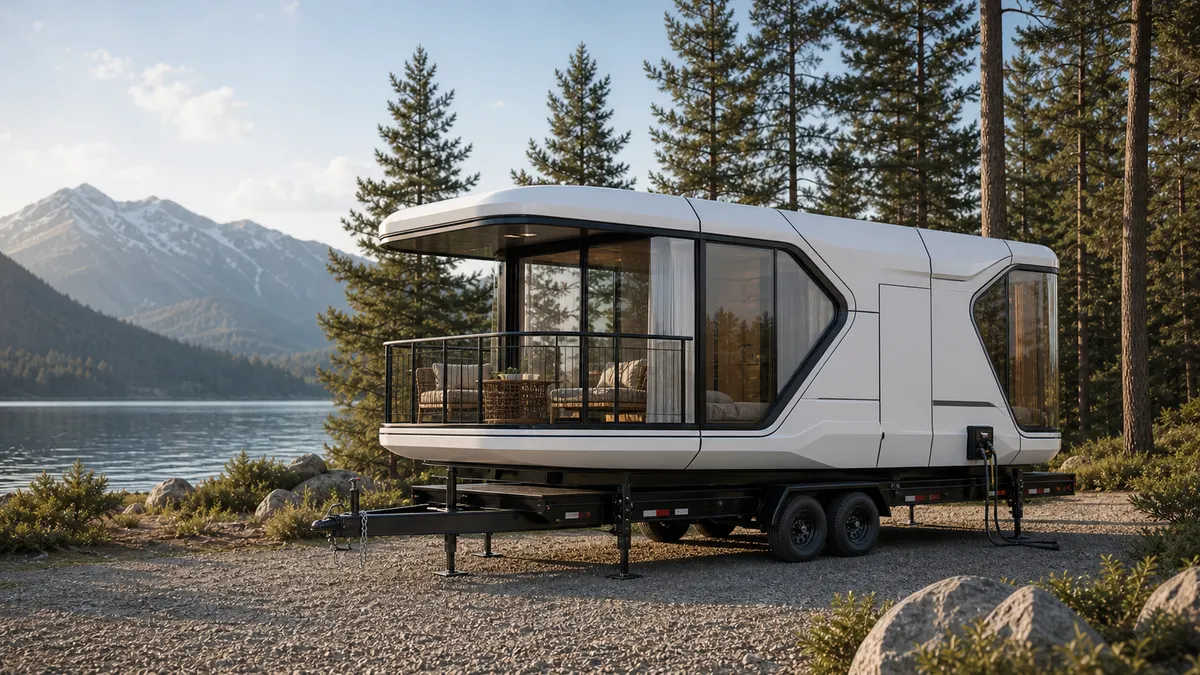
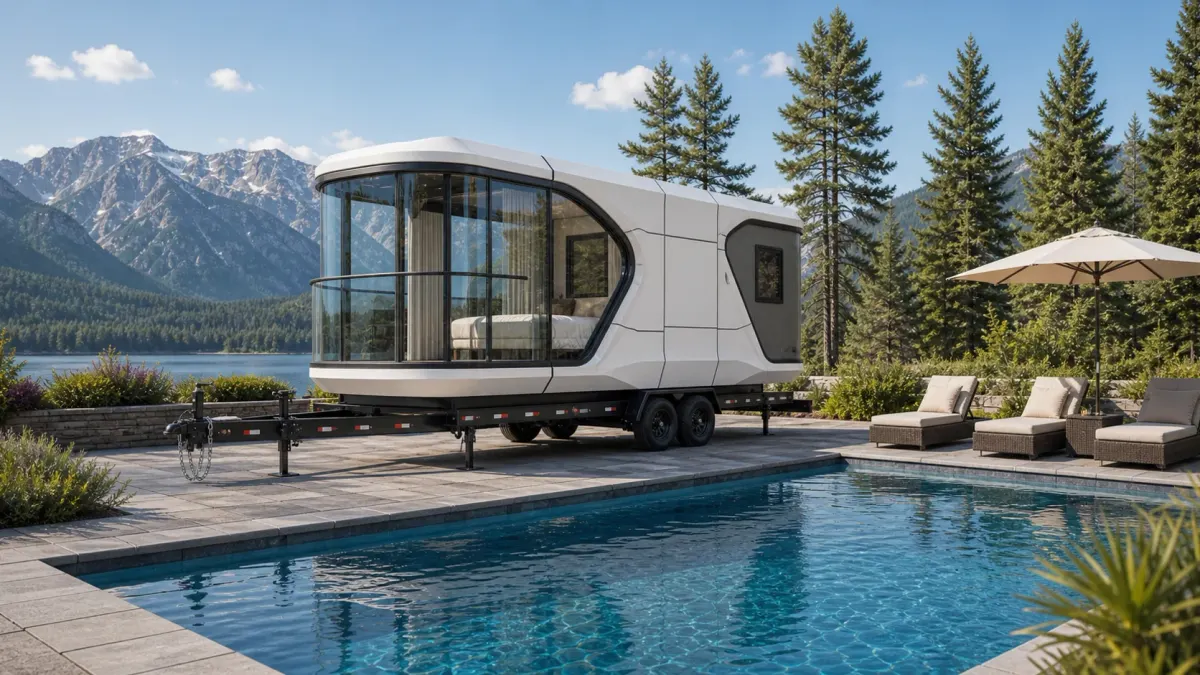
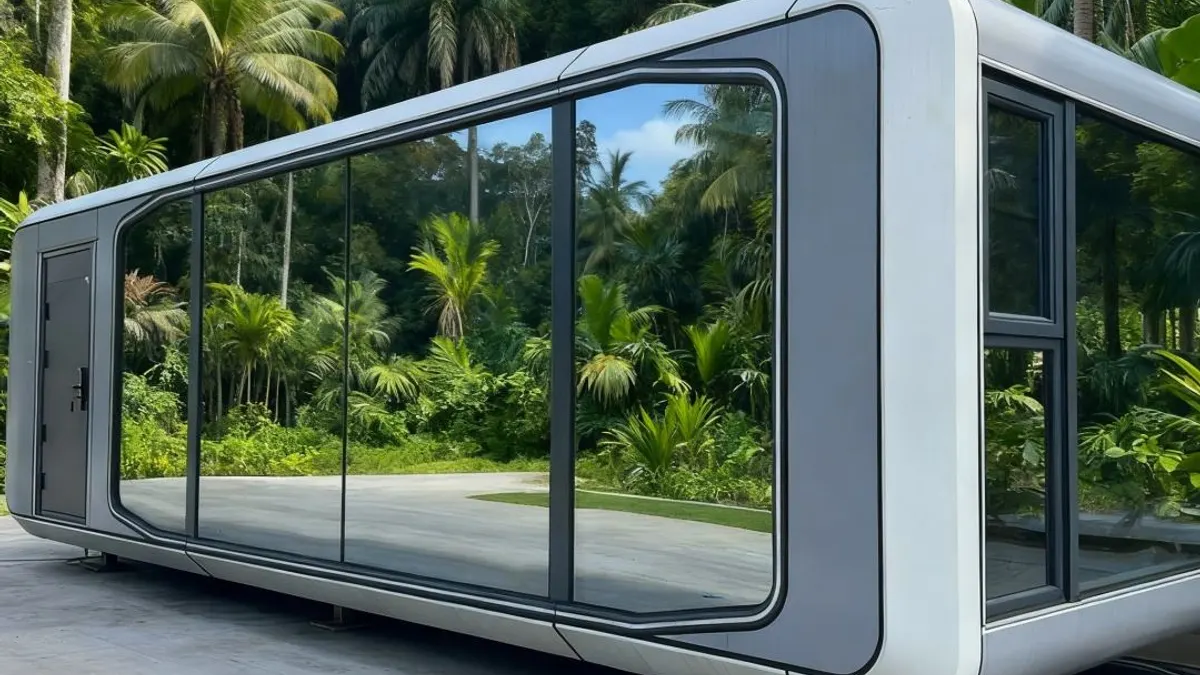
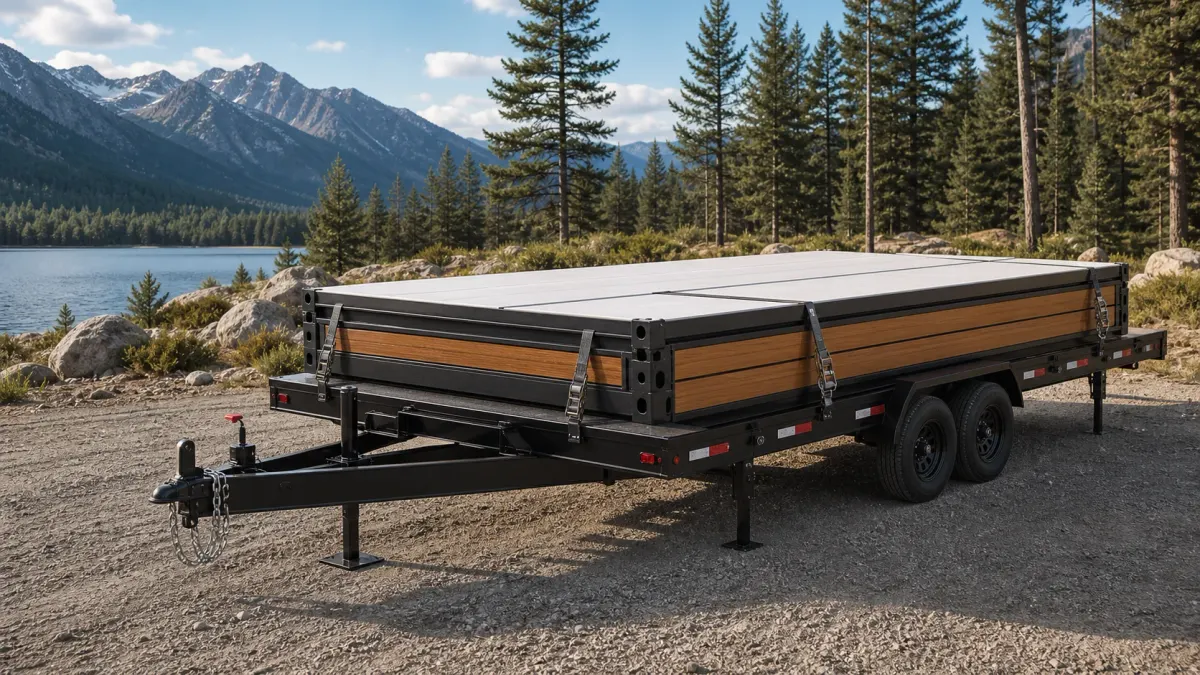
The important difference is scope. A trailer-ready cabin module is not automatically a complete RV, a road-legal vehicle, or a permit-free building. It is a livable module that may be paired with a local trailer path, campground site, private land setup, or hospitality project plan.
That is why RV-style preparation is useful. It helps buyers slow down and ask the right questions before they fall in love with a floor plan.
Start with route, access, and site fit
A good road trip plan starts with the route. A good cabin module plan starts the same way.
Before comparing models, review:
- Where the unit will live most of the time.
- Whether the access road can handle delivery vehicles, trailers, or lifting equipment.
- Turning radius, overhead clearance, slope, soil condition, and seasonal weather.
- Whether the destination is a campground, private parcel, resort site, or temporary project base.
- Who will handle local trailer coordination if the project needs that path.
For North American buyers, this is where the language gets sensitive. A module may be trailer-ready in concept, but local road use, registration, tie-downs, brakes, lighting, width limits, and inspection details depend on local partners. If this distinction is still unclear, start with the trailer-ready cabin module comparison guide.
Plan utilities before packing the stay
RV travelers quickly learn that comfort depends on power, water, heat, cooling, storage, and waste handling. Cabin module buyers should think the same way.
The practical checklist includes:
- Power source and expected electrical load.
- Heating and cooling plan for the local climate.
- Fresh water supply and hot water needs.
- Wastewater, greywater, or septic arrangement.
- Internet or communication needs if the unit supports work or guest stays.
- Outdoor storage, deck, steps, and entry safety.
This is especially important for modular glamping cabins and campground units. A beautiful interior does not solve a weak utility plan. Operators planning several units should also review the glamping cabin site planning guide before finalizing the first room type.
Prepare for weather, safety, and service gaps
Road trip preparation is partly about the unexpected. The same mindset helps with mobile cabin projects.
Think about:
- Wind exposure and how the unit will be secured on site.
- Rain, snow, heat, dust, and freeze conditions.
- Safe entry surfaces during wet or icy weather.
- Emergency access for service teams.
- Spare parts, filters, shutoff points, and maintenance instructions.
- Guest instructions if the unit is used for hospitality.
This does not mean every buyer needs the same specification. A backyard office, seasonal campground cabin, and remote glamping unit have different needs. But every serious project should have a basic safety and service plan before shipment.
Separate travel preparation from local review
One of the biggest mistakes in this product category is mixing lifestyle language with regulatory reality.
A road trip checklist can help organize the buyer's thinking, but it does not replace local review. Before ordering, clarify:
- Whether the unit is being used as a stationary cabin, movable accommodation, office, hospitality room, or another use case.
- Whether the trailer, chassis, foundation, anchoring, or site utility work is local scope.
- Which local professional or partner will review road movement, zoning, campground rules, utility connection, and occupancy expectations.
- What documents the supplier can provide for product review and shipment planning.
MK can support the module side of the discussion, but buyers and local partners still need to review the destination path carefully.
What buyers should take away
The best RV travel advice is usually simple: plan the route, know your hookups, respect the weather, and keep the setup realistic.
That same logic protects cabin module buyers. A strong purchase decision is not only about the floor plan or exterior style. It is about matching the module to the site, utility plan, local review path, and operating goal.
For buyers considering a mobile stay concept in North America, the smarter first step is a project brief: where the unit will live, how it will be moved or delivered, what utilities are available, and what local partner will coordinate the parts outside the factory scope.