High-volume visitor flow needs humble planning language
Makkah and Madinah are sensitive, high-volume visitor environments where planning language must be careful. Modular service units should not be presented as a substitute for core public infrastructure, religious authority decisions, or city-level crowd management. Their practical role is narrower: support defined operating needs around staff, sanitation, rest, temporary offices, storage, and service staging.
That narrower role is still valuable. When visitor pressure rises, even small support gaps can affect staff performance, cleanliness, waiting comfort, and response time. The key is to describe modular units as scoped support facilities that require local review and integration with the wider plan.
Support demand appears at the edges of the main route
The most visible visitor routes usually receive the most attention. Support demand often appears at the edges: staff check-in points, bus holding zones, service yards, temporary contractor areas, security posts, rest areas, and places where cleaning or maintenance teams need to reset.
These edge zones can be overlooked because they are not the headline guest experience. Yet they determine whether the main route stays orderly. Modular units can help when they are placed to reduce service friction without intruding on visitor dignity or movement.
Sanitation planning must respect rhythm and privacy
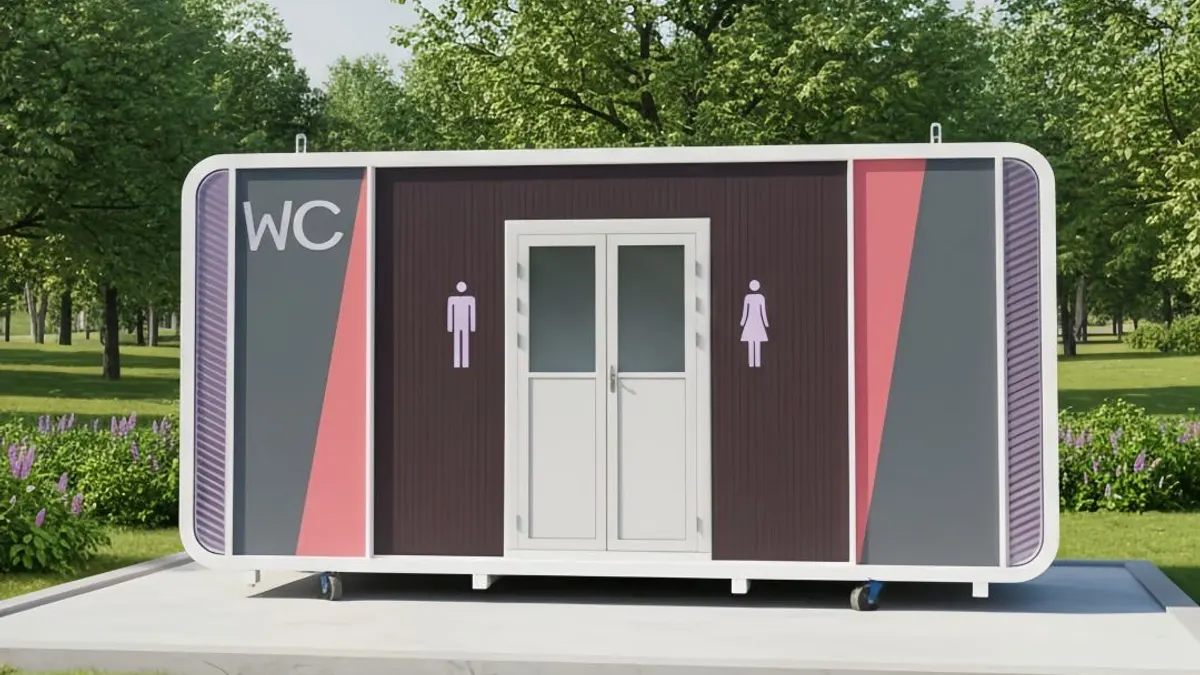
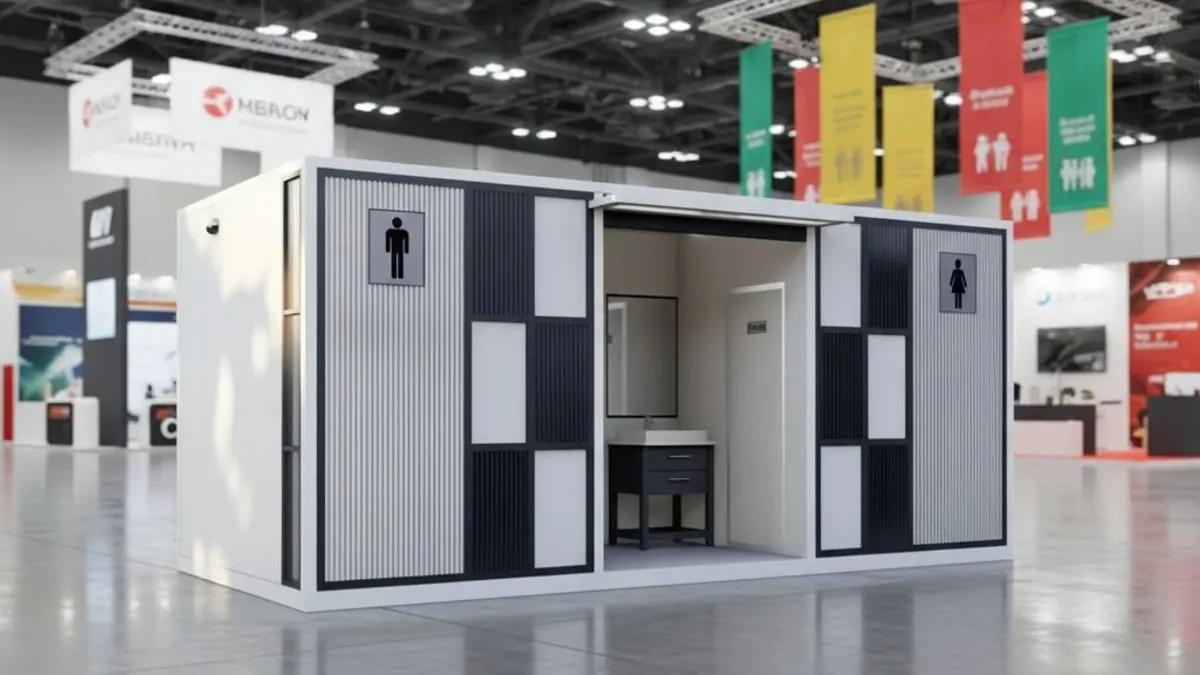
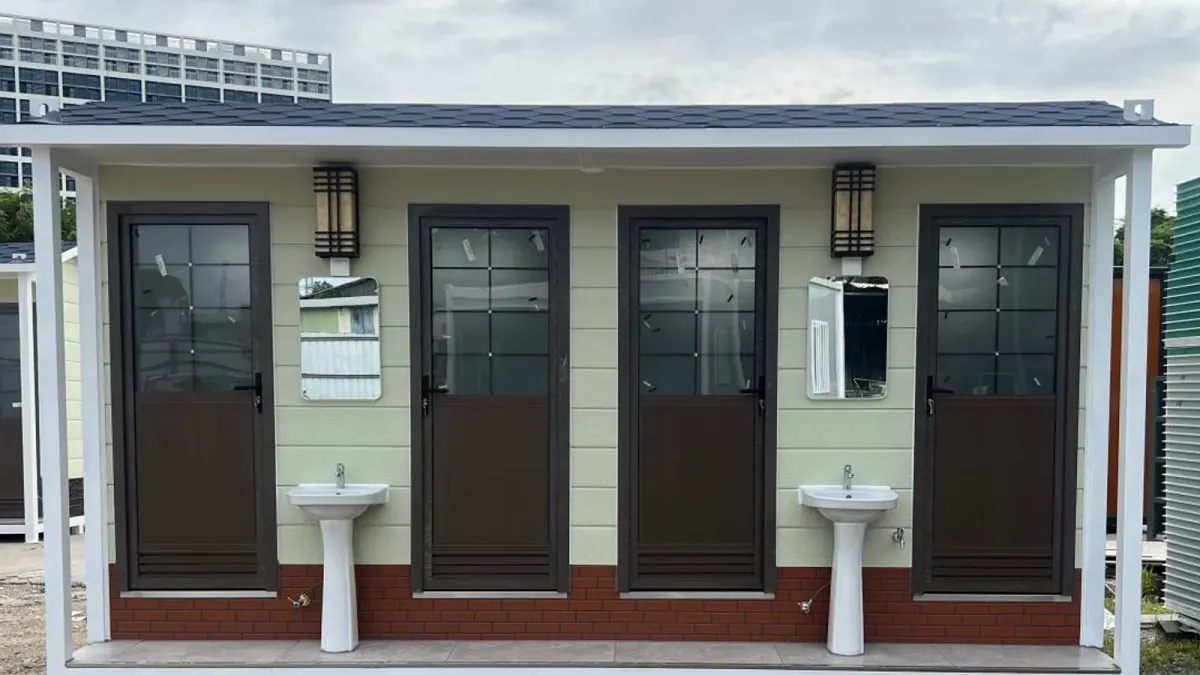
Portable sanitation, ablution support, staff wash areas, and cleaning storage require more than unit counts. They need gender-sensitive layout where applicable, privacy screening, water and wastewater planning, cleaning access, queue space, lighting, and clear responsibility for maintenance.
The rhythm of use matters. Demand may rise sharply at certain times, while cleaning and resupply must happen without blocking visitor movement. A modular sanitation plan should therefore include service windows and staff routes, not only fixtures.
Staff rest is part of visitor service
In high-volume environments, staff fatigue can become a visitor-service issue. Security, cleaning, transport, maintenance, and volunteer teams need shaded rest, water access, short recovery breaks, and clear reporting points. If those functions are too far away, response time and service quality suffer.
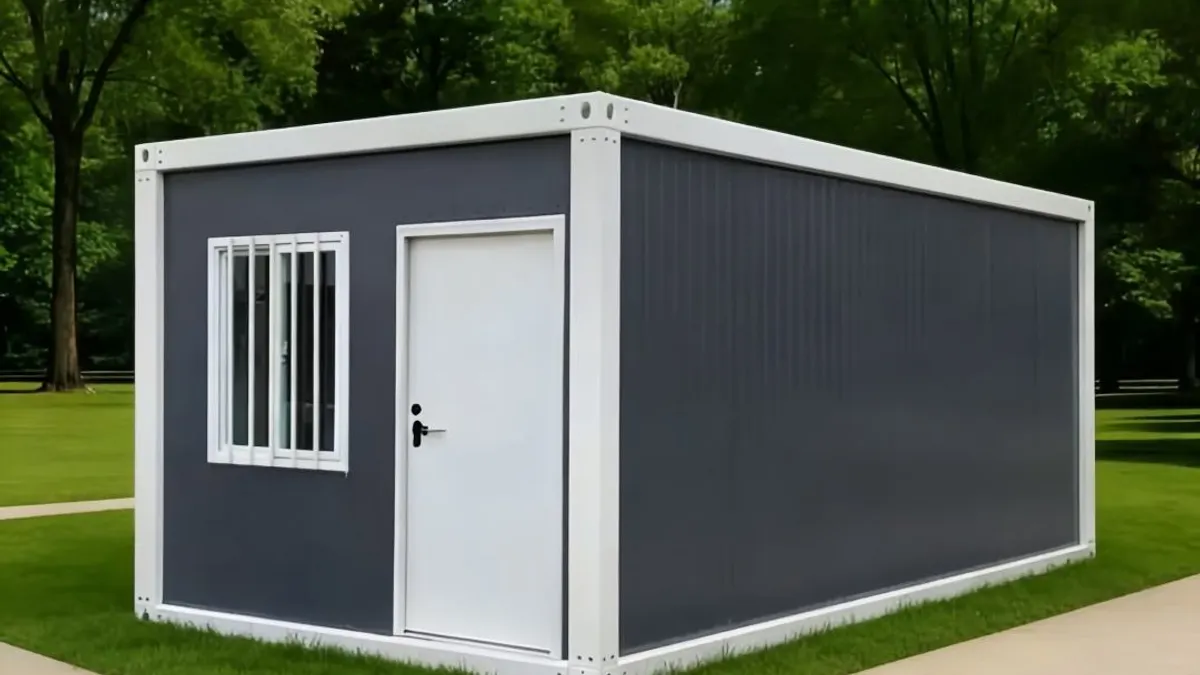
Modular rest and operations units can support shift discipline by creating known locations for supervisors, radios, supplies, and recovery. The design should prioritize quiet function over decorative presence.
Temporary does not mean casual
A temporary support unit still needs responsible planning: ground condition, utility connection, drainage, heat exposure, access control, signage, cleaning, and emergency route coordination. Treating temporary units casually can create clutter and conflict.
Project teams should define the operating period, expected user groups, daily servicing needs, removal or relocation path, and the authority interfaces that must review the placement. Temporary support should look organized because it is organized.
Modular procurement should start from a boundary map
The most useful brief is a boundary map showing what the modular unit will and will not do. Will it serve staff only? Visitors? Contractors? Cleaning teams? Is it for rest, sanitation, storage, command, or queue support? Which areas are restricted? Which routes cannot be blocked?
This boundary map keeps the discussion realistic. It prevents a supplier from offering generic units and helps local teams judge whether the facility belongs in that location at all.
Respectful support is measured by absence of disruption
In visitor environments shaped by religious, civic, and cultural expectations, the best support facilities do not call attention to themselves. They reduce friction, protect dignity, keep staff ready, and leave the primary movement routes clear.
For modular planning around Makkah and Madinah visitor flow, restraint is a strength: scoped support, precise placement, privacy, shade, sanitation discipline, and local review before any deployment claim.