Temporary event units need an afterlife
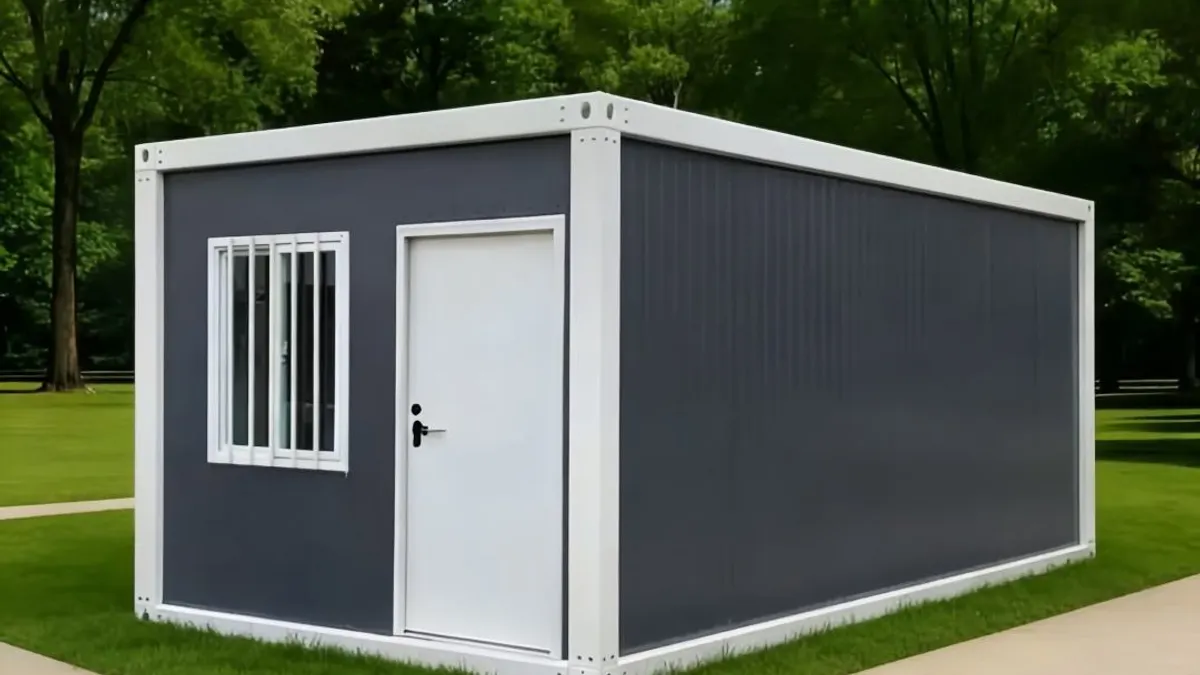
Mega events create intense short-term demand for offices, staff rest, security posts, sanitation, ticketing support, media rooms, storage, and visitor services. Modular units are attractive because they can be deployed faster than permanent buildings. But the most important question may come after the closing date: what happens to the units next?
Legacy planning should begin before procurement. A temporary unit can become waste, storage burden, a useful relocated asset, a converted support facility, or part of a future project. The difference depends on decisions made before the first unit arrives.
The post-event path changes the specification
If a unit will be removed after six months, the specification may prioritize speed, cost control, and clean site restoration. If it may move to a workforce camp, resort support village, school project, or municipal service yard, the specification should consider transportability, durability, utility compatibility, documentation, and refurbishment needs.
A buyer who ignores the post-event path may save money upfront and lose value later. A slightly more disciplined specification can make reuse realistic rather than theoretical.
Legacy is not the same as permanent
Event legacy language can become vague. Not every temporary unit should become permanent, and not every permanent-looking unit has a practical second use. Legacy planning means choosing a realistic after-use and designing toward it.
Some units may be best sold, stored, donated, relocated, or dismantled. Others may become site offices, staff housing, sanitation blocks, guard rooms, training spaces, or service kiosks. The key is to decide early which path applies to which unit category.
Utilities can make or break reuse
A unit that fits the event site may not fit the next site if electrical assumptions, water connections, wastewater handling, HVAC, foundations, or door orientation are too specific. Utility design should balance event needs with likely reuse scenarios.
Project teams should document connection points, loads, maintenance requirements, spare parts, and any local modifications. Without that record, the second deployment becomes a guessing exercise.
Removal logistics should be planned like installation
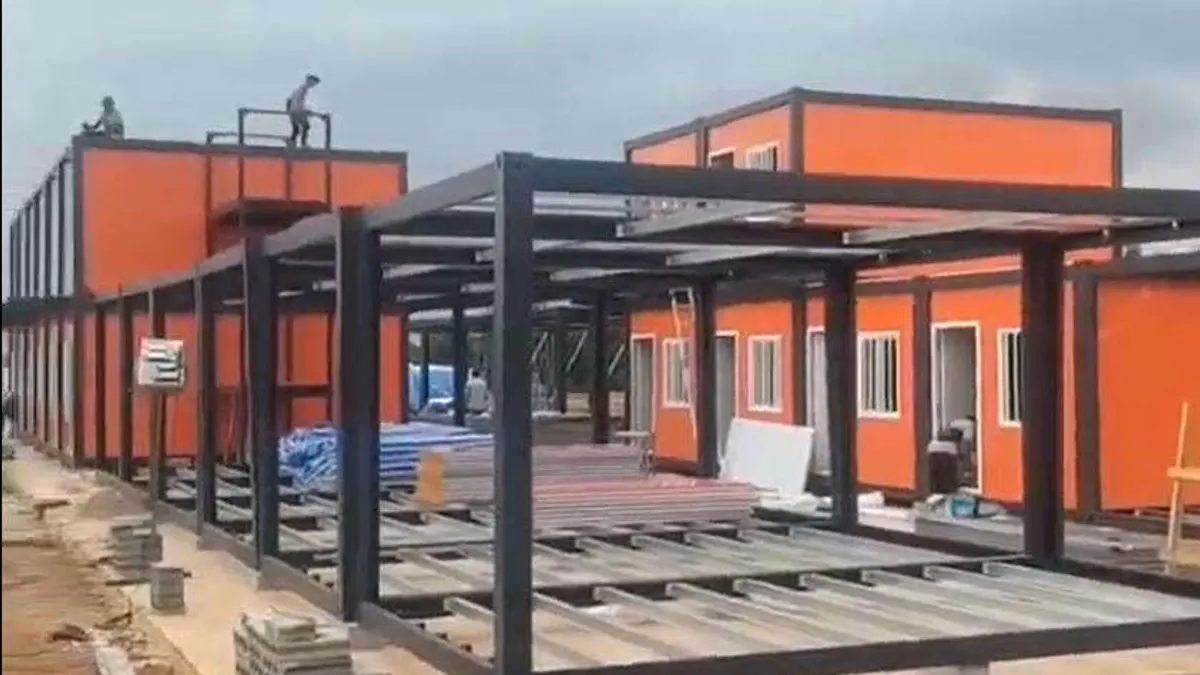
Many projects plan delivery in detail and removal loosely. That is risky. After a mega event, timelines compress, access routes change, temporary roads may be removed, and storage yards fill quickly. If removal is not planned, units can sit idle and deteriorate.
A complete temporary modular plan includes lifting points, transport routes, sequencing, cleaning, inspection, storage, repair, and destination assignment. Removal should be a managed phase, not a cleanup afterthought.
Documentation protects the second user
For a unit to be reused, the next operator needs more than a key. They need drawings, equipment lists, maintenance records, utility requirements, photos, serial references, and notes about modifications. Documentation turns a temporary asset into a manageable asset.
This is especially important when units move between contractors, agencies, venues, or regions. Clear records reduce disputes and help the receiving team understand what can be used immediately and what needs review.
A better brief separates event use from legacy use
The strongest procurement brief has two columns: what the unit must do during the event and what may happen afterward. During the event, speed, capacity, visitor flow, safety coordination, and service proximity may dominate. Afterward, transport, storage, refurbishment, and compatibility may matter more.
For Saudi and regional mega-event planning, temporary modular support can be a practical tool when legacy thinking is concrete: defined categories, likely destinations, utility records, removal sequence, and local review before reuse.