Permanent too early can become permanent trouble
Remote project teams often feel pressure to decide the final accommodation plan before the site has taught them anything. That can be risky. Workforce count changes, shift timing changes, contractor packages change, access roads improve, and utility assumptions become clearer only after work begins.
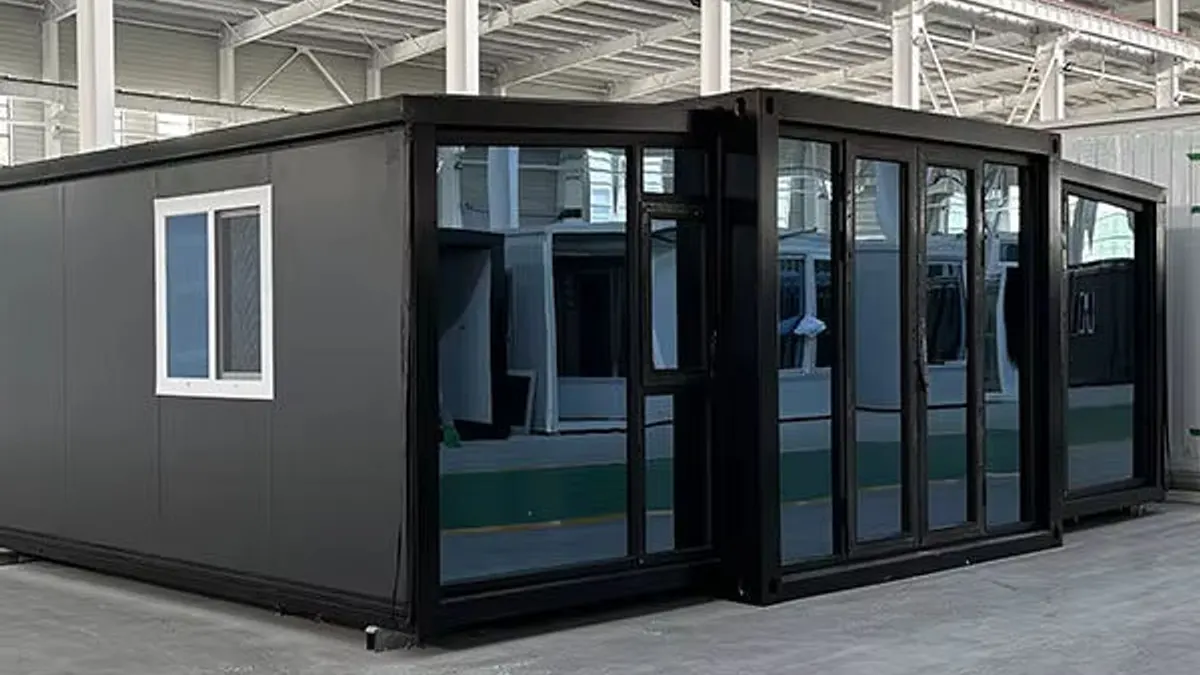
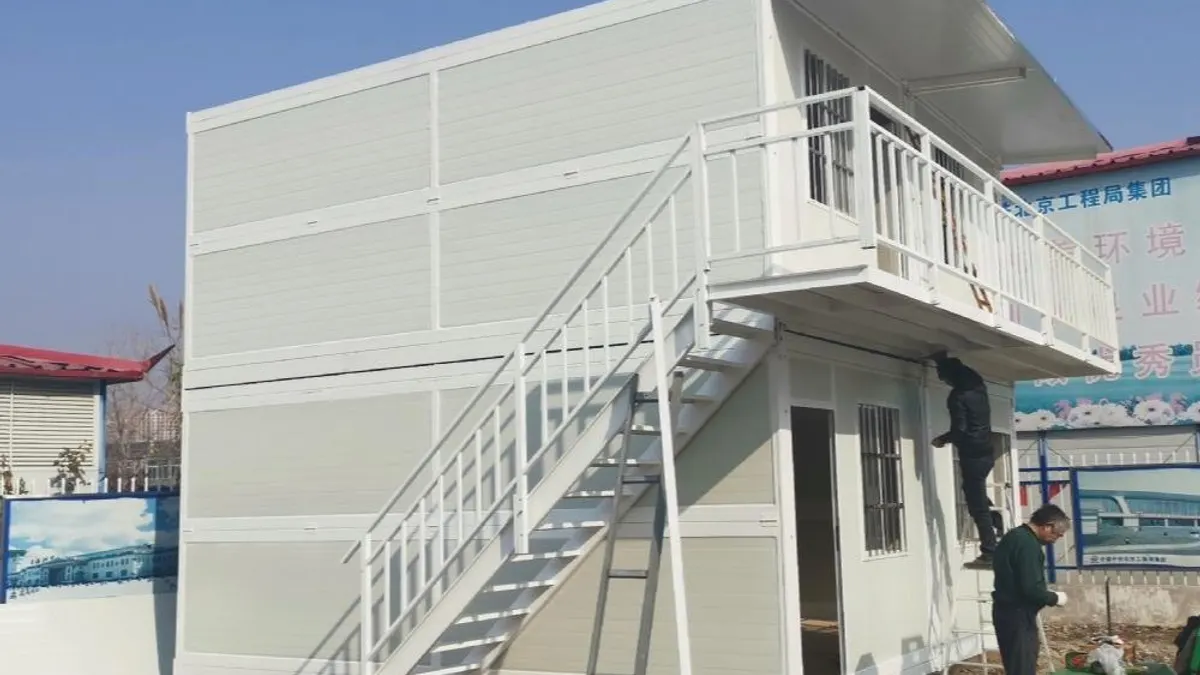
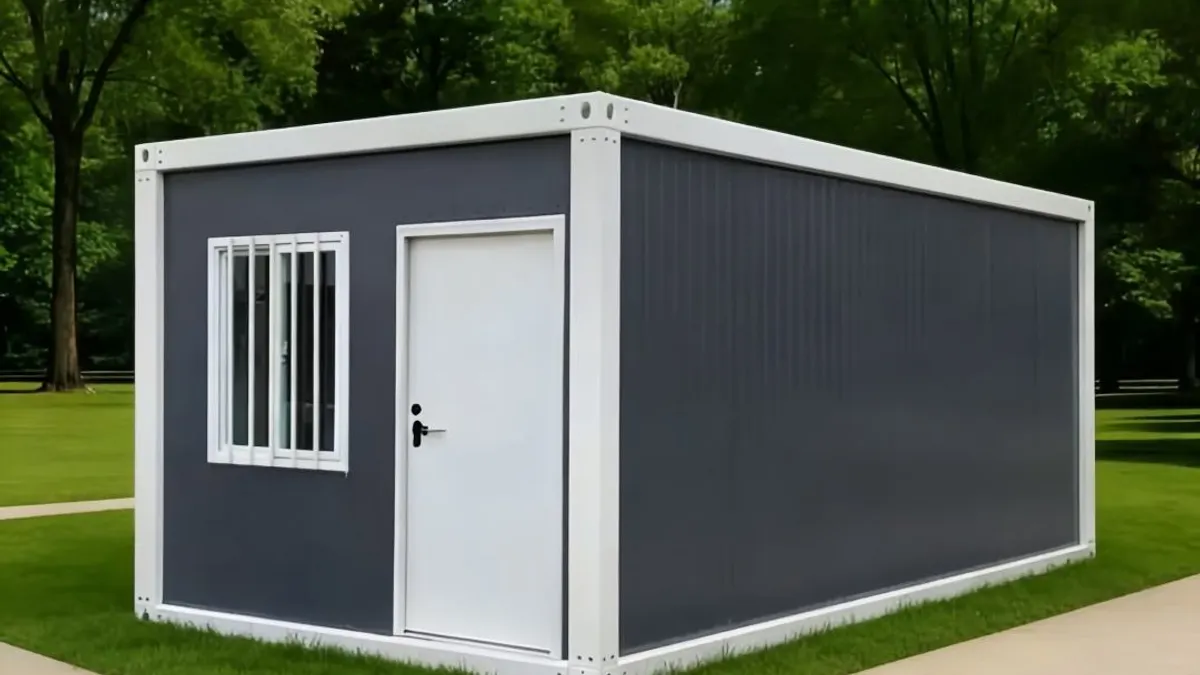
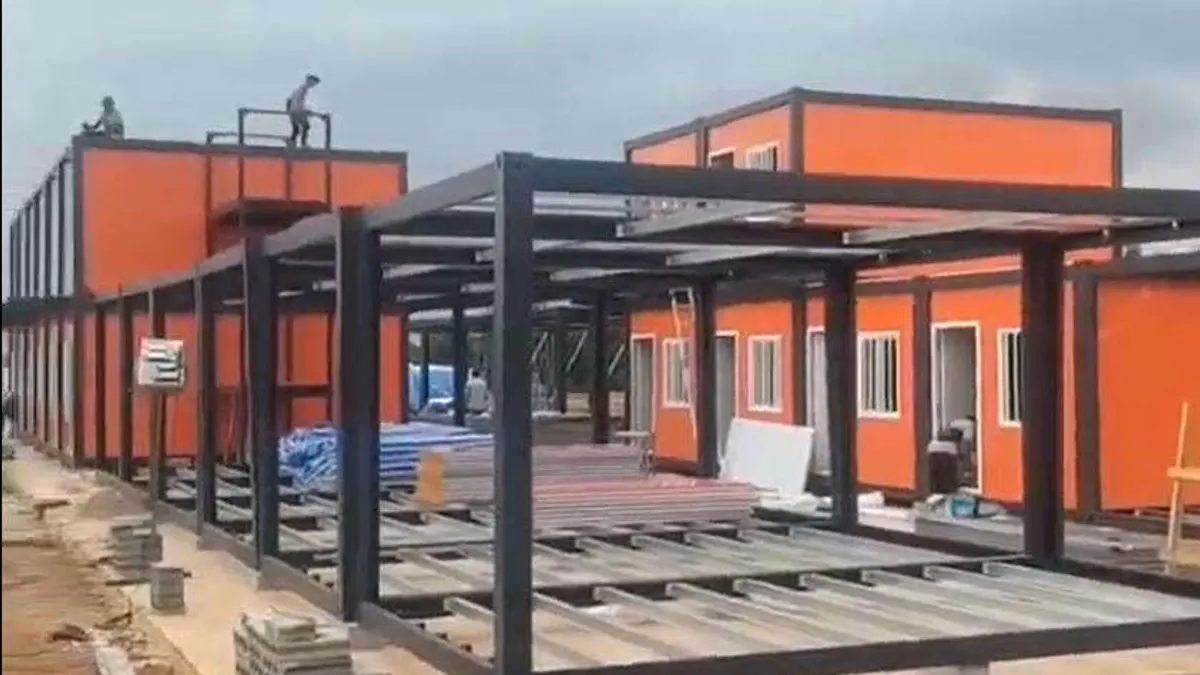
A phased modular camp build-out is not a sign of weak planning. It can be a disciplined way to avoid making permanent infrastructure out of early uncertainty. The point is not to stay temporary forever. The point is to let the first phase answer questions before the long-term camp shape is fixed.
The first phase should answer operational questions
A useful first phase does more than provide beds. It tests where people arrive, how meals are served, how wash blocks perform, how buses turn, how waste moves, how security works, and whether staff can rest between shifts. Those observations should shape the next phase.
If the first phase is treated only as emergency space, the project loses the learning value. If it is designed as a measurable operating prototype, it becomes a planning instrument.
Temporary buildings still need permanent discipline
The word temporary can invite shortcuts. That is the trap. Temporary accommodation still needs shade, drainage, fire access, cleaning routes, water, wastewater, electrical safety, and dignity for residents. A poor temporary camp damages morale and creates maintenance debt long before the permanent camp is ready.
The better rule is simple: temporary can be movable, but it should not be careless.
Decide what moves, what stays, and what disappears
Every first-phase asset should have a future label. Some dormitories may move to a secondary site. Some offices may become maintenance support. Some sanitation units may remain until a permanent block opens. Some units should disappear cleanly when the project matures.
This exit logic affects procurement, utility connections, foundations, lifting access, and maintenance. A unit intended to move should not be trapped behind later construction. A unit intended to remain should not be connected like a disposable asset.
The real comparison is not temporary versus permanent
The real comparison is between premature permanence and informed permanence. Permanent worker accommodation can be the right answer when occupancy, utilities, access, and operating rhythm are stable. Modular temporary or semi-permanent units can be the right first move when the project is still discovering its daily pattern.
Good planning lets both exist in the same roadmap instead of forcing one to pretend to be the other.
A better camp roadmap
A serious roadmap starts with the first 90 to 180 days: minimum accommodation, food, hygiene, medical, prayer, office, storage, and service access. It then identifies the trigger for expansion: headcount, utility completion, road access, contract award, or season. Finally, it defines the exit plan for each temporary asset.
That roadmap gives owners more control than a single large permanent order made before the site is ready.
Resident dignity is a planning metric
Worker accommodation is often discussed through bed count, but the quality of a camp is also measured by dignity. Can residents rest between shifts? Is there shade between sleeping blocks and dining? Are prayer, hygiene, laundry, and clinic access close enough to use without friction? Are supervisors and workers separated where needed without creating isolation?
These details matter because a camp is not just a storage system for labor. It is a living environment that affects morale, safety, retention, and daily project rhythm.
The first phase should teach the permanent phase
A phased camp is not merely a temporary compromise. It can be a live test of room mix, dining timing, transport behavior, cleaning load, prayer-space use, and maintenance demand. Those lessons should feed the permanent accommodation brief before too much concrete is committed.
When the temporary phase is treated as learning infrastructure, the permanent phase becomes less speculative.