Mega events are remembered by what they leave behind
A World Expo is easy to describe through scale: national pavilions, visitors, ceremonies, transport, media, and architectural icons. But the more interesting question often comes later. What happens when the crowds leave? Which buildings remain useful? Which temporary systems disappear cleanly? Which pieces become too expensive to maintain? Which public spaces continue to feel alive?
Riyadh Expo 2030 will be judged during the event, but also after it. Like previous Expos, it will need to balance spectacle with legacy. The useful planning question is not only how to build fast enough for the opening day. It is how to build in a way that gives the city options after the closing day.
What earlier Expos taught about reuse
Every Expo faces the same tension. The event needs temporary intensity: visitor services, media rooms, staff facilities, rest areas, security points, logistics, food service, medical support, and back-of-house space. The city needs long-term value: districts, parks, transit, cultural venues, workspaces, and infrastructure that make sense without the event.
Some Expo sites have become redevelopment districts. Some pavilions have been relocated, reused, or converted. Others became symbolic but difficult to operate. The lesson is not that every temporary building must become permanent. The lesson is that planners should decide early which elements are meant to last, which are meant to move, and which are meant to vanish without leaving a maintenance burden.
Temporary does not mean careless
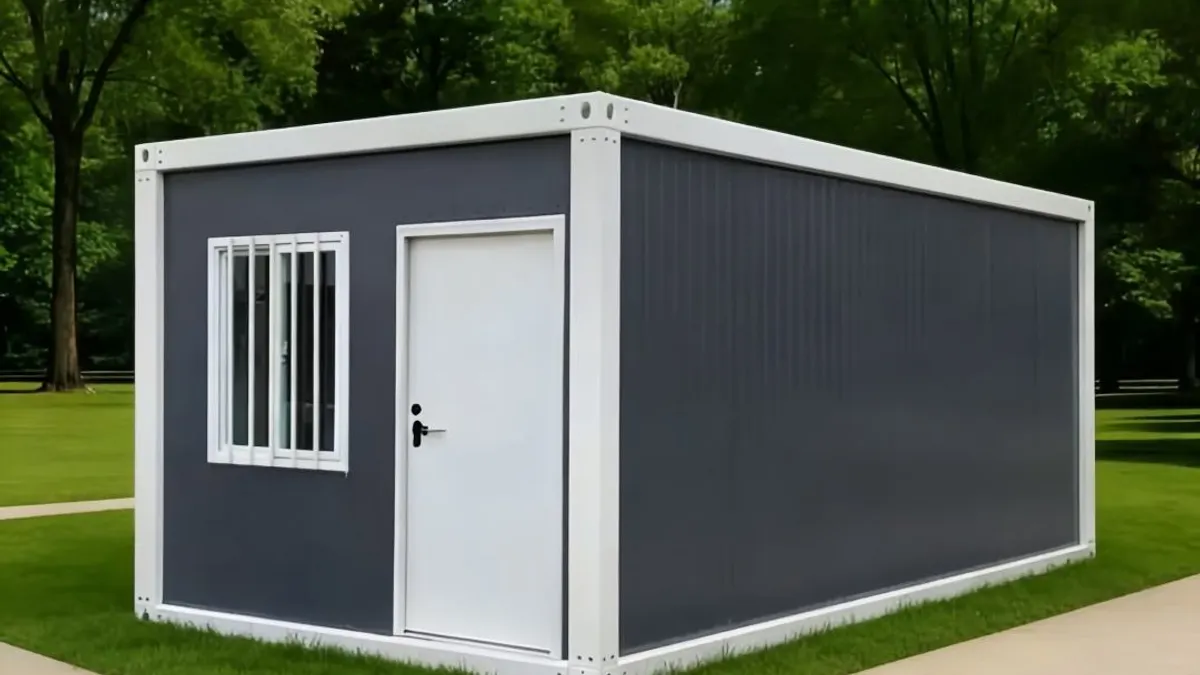
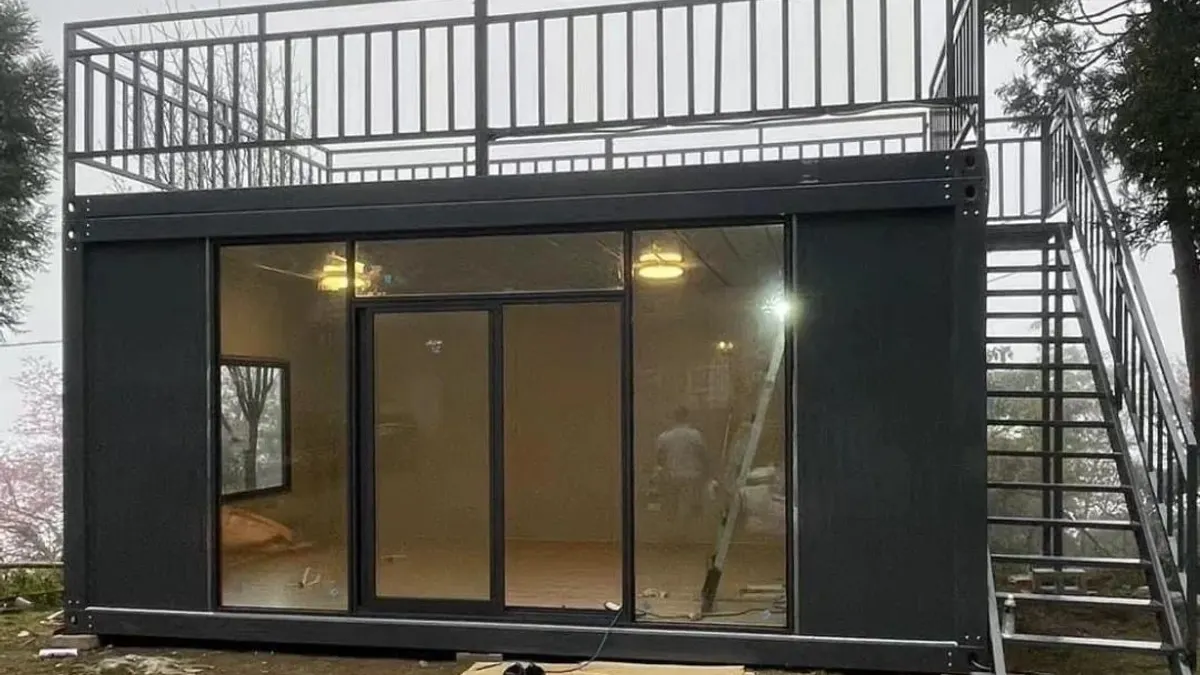
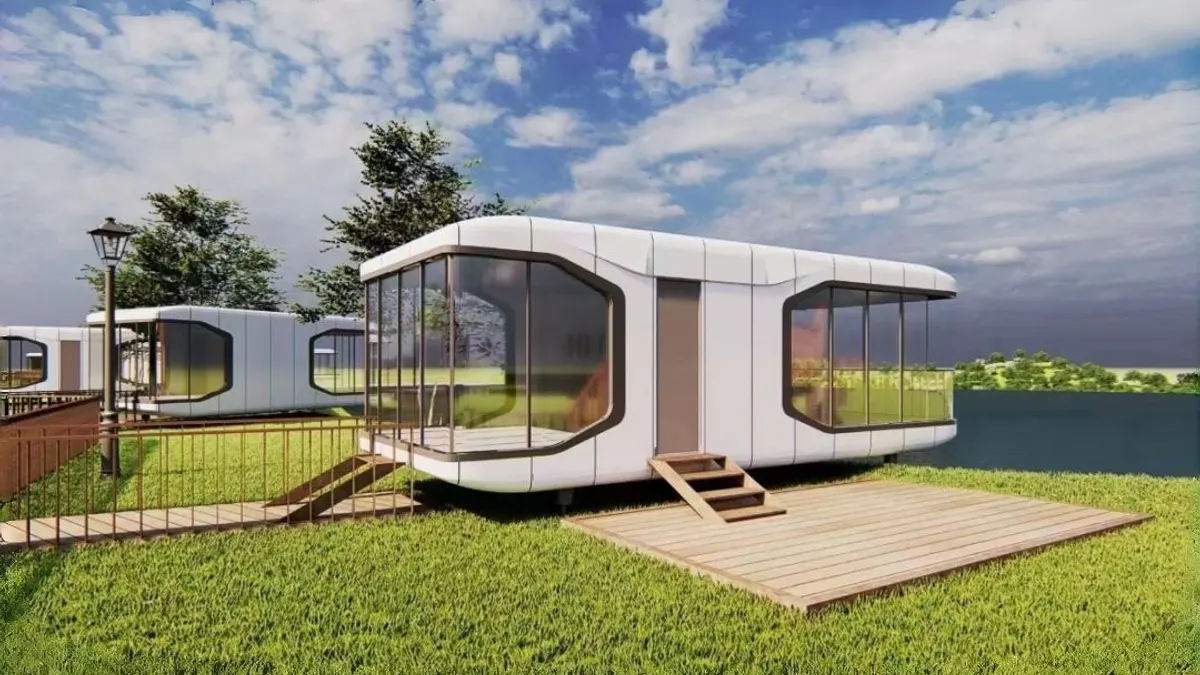
Temporary architecture can be thoughtful. A temporary support module can be designed for disassembly, relocation, resale, or a second use on another project. A temporary office can later serve a construction site, tourism village, staff zone, or municipal service need. A temporary restroom or clinic can become part of a disaster-response or event-support inventory.
The problem is not temporariness. The problem is designing temporary assets as if their story ends at the event gate. When the second life is considered from the beginning, modular systems can reduce waste and preserve value.
The hidden city behind the public city
Visitors see pavilions, plazas, queues, restaurants, and performance spaces. Behind that public city is another city: staff changing areas, rest rooms, storage, waste handling, utility rooms, water points, security posts, cleaning stations, medical support, and service roads.
This hidden city is where modular and rapidly deployable buildings often make the most sense. They are not always the architectural hero. They are the operational layer that helps the hero remain calm. The cleaner the hidden layer is planned, the better the public experience feels.
A legacy brief should classify every support asset
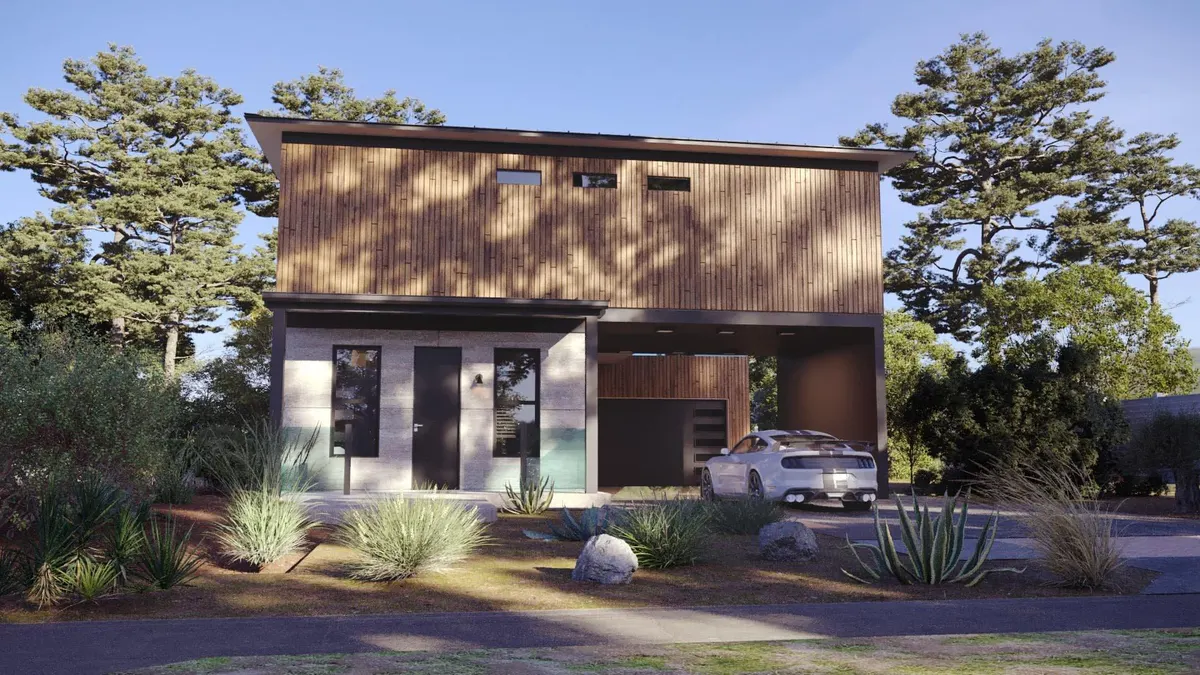
A serious temporary-to-permanent plan can classify assets into four groups. First, permanent legacy: buildings and infrastructure intended to remain. Second, reusable inventory: modules that can be relocated to another public, tourism, construction, or service use. Third, event-only assets: structures designed to disappear efficiently. Fourth, adaptable shells: buildings that need a planned conversion path.
This classification helps procurement and design teams avoid vague promises. "Reusable" should mean something specific: reusable where, by whom, with what transport, what utility assumptions, and what storage or maintenance plan?
What this means for fast-build systems
Fast-build systems should be evaluated by more than speed. Speed matters, but so do repeatability, safe access, maintenance, transport dimensions, utility separation, fire review, comfort, and future relocation. A module that opens quickly but cannot be reused may be less valuable than a slower asset with a clear second life.
For Riyadh-style mega-event planning, the strongest use of modular buildings may be in the support layer: staff accommodation, site offices, clinics, sanitation, utility rooms, guard posts, service kiosks, and temporary hospitality support. These are not glamorous, but they are exactly the functions that determine whether the event works every hour.
The practical takeaway
The best question for Expo-related construction is not "temporary or permanent?" It is "what should this asset become next?" Some elements should become civic legacy. Some should move. Some should disappear. Some should be designed for conversion.
Riyadh Expo 2030 can be a showcase of architecture, but its deeper planning value may come from the discipline of reuse: building fast without treating fast buildings as disposable.