What the factory can solve well
Prefab modular cabins on raw land are attractive because they reduce one major source of uncertainty: the cabin itself can be manufactured in a controlled environment instead of relying entirely on field construction.
That usually helps with:
- More predictable production quality.
- Less exposure to weather during fabrication.
- Faster repetition if the project will use multiple units.
- Earlier visibility into layout, materials, and finish scope.
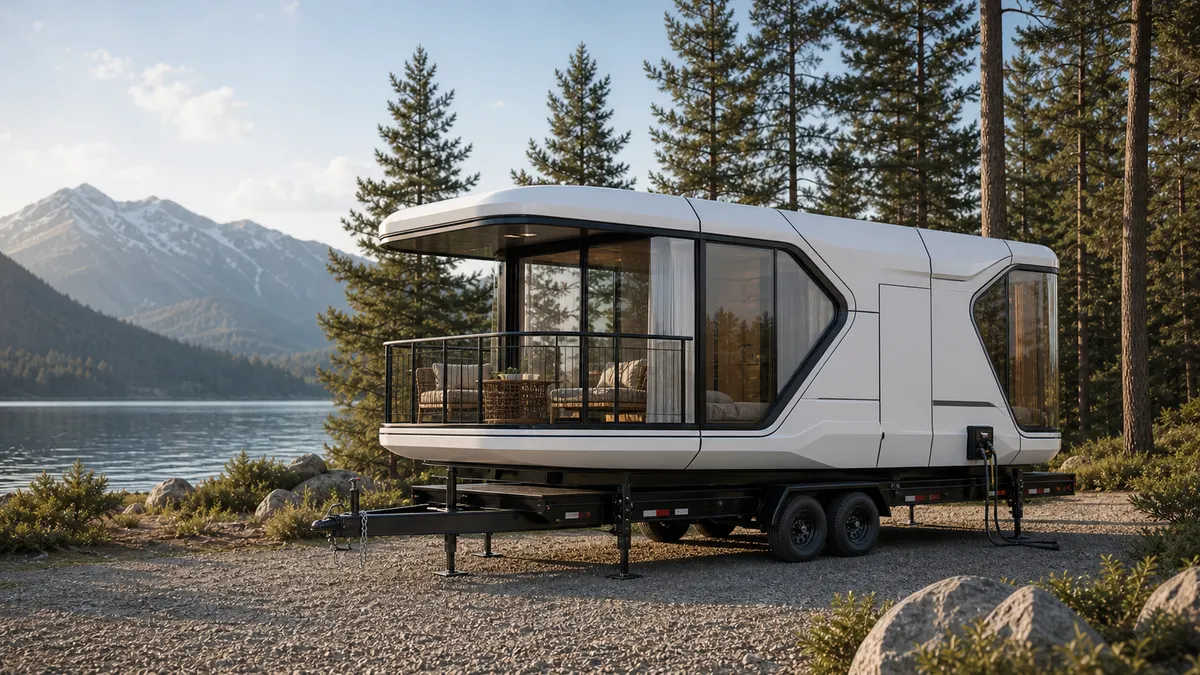
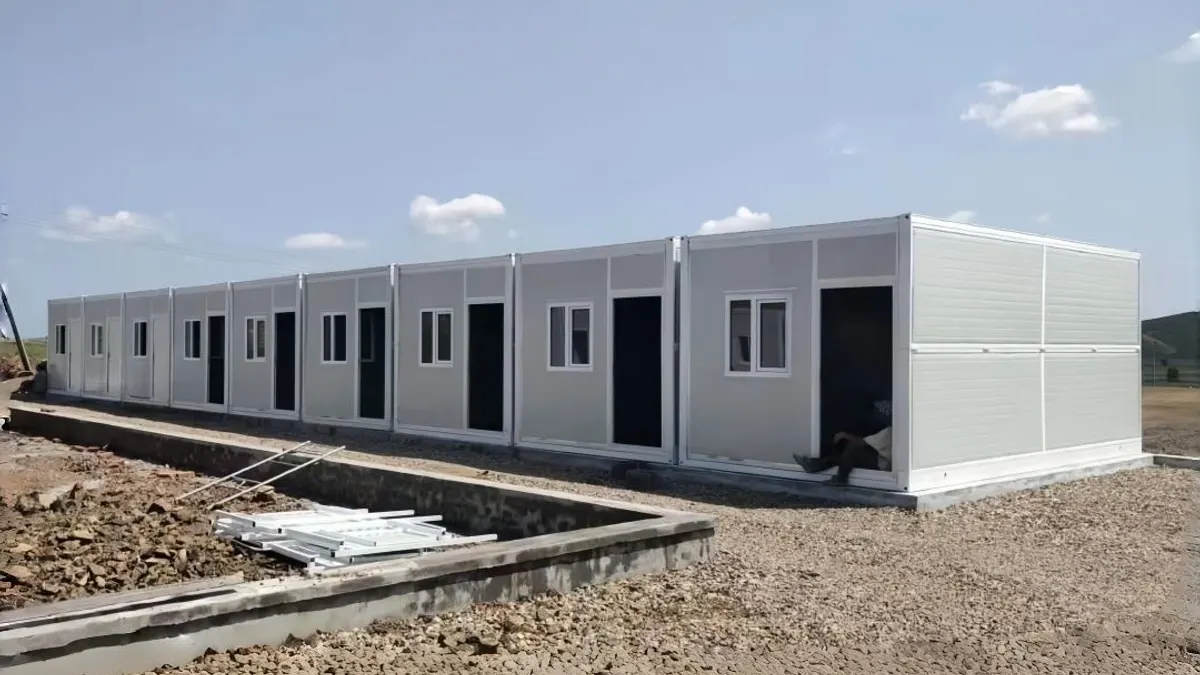
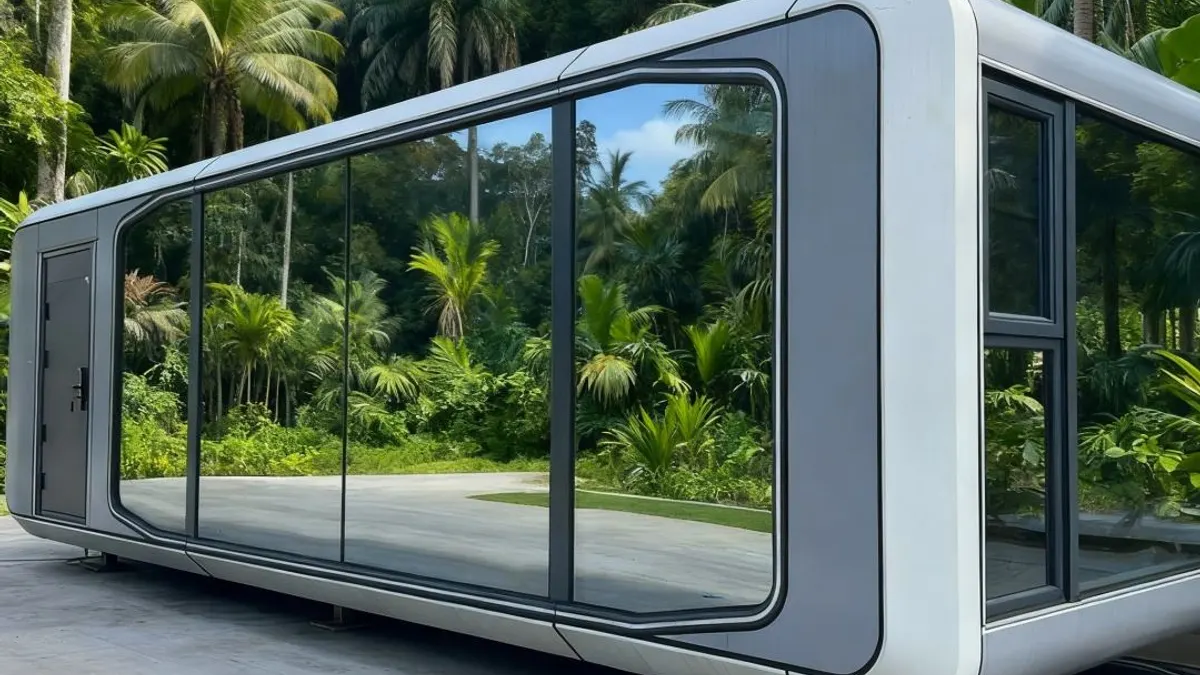
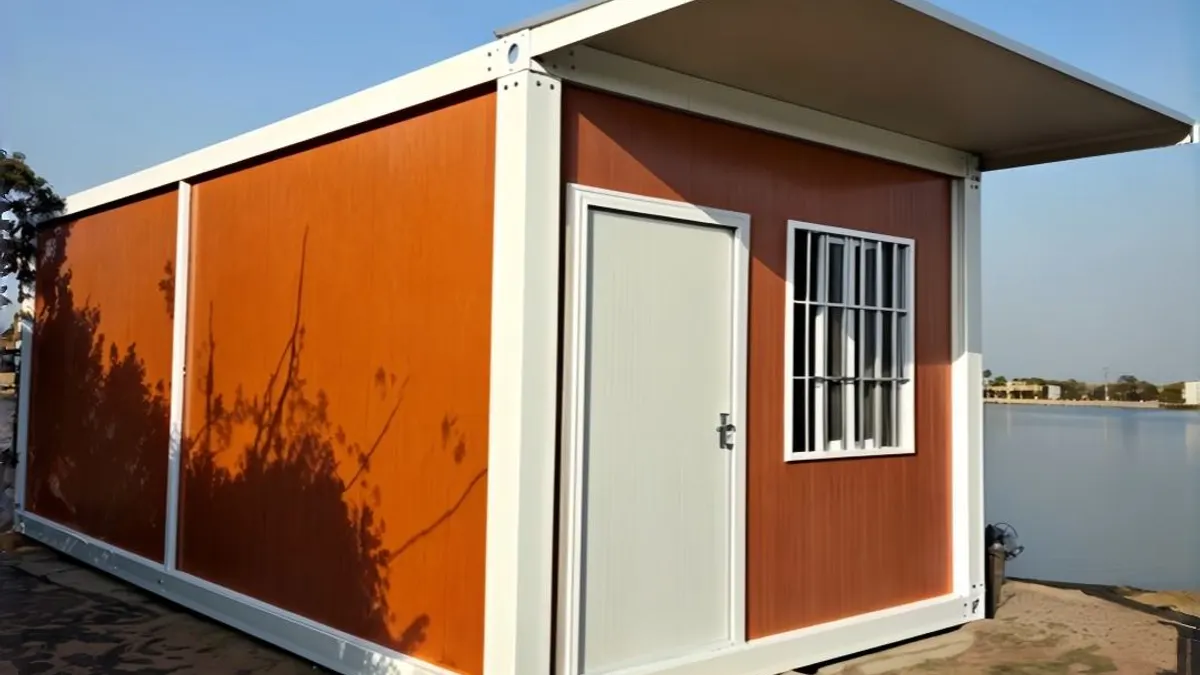
For many buyers, that is already a major improvement over a fully site-built path. It also helps to compare the broader Container Mobile Home library with the more market-specific North America Series before narrowing the format.
What still stays local
What a prefab cabin does not solve is everything around the cabin.
Raw-land projects in North America still need local answers for:
- Legal site access and turning radius for delivery equipment.
- Foundation approach, supports, or anchoring logic appropriate to the site.
- Power source and service distance.
- Water source, storage, pressure, and winterization strategy where relevant.
- Wastewater, septic, greywater, or municipal tie-in path.
- Drainage and stormwater behavior around the final cabin position.
- Local review, contractor sequencing, and installation ownership.
This is why experienced buyers treat the cabin purchase as one workstream inside a bigger site package.
The raw-land checklist before order approval
Before approving a prefab modular cabin for raw land, walk through this checklist with your local team.
Access and delivery
Can the site be reached by the delivery vehicle you expect to use? Are there bridges, tight turns, steep grades, soft ground, or seasonal limitations that could affect delivery day?
Placement zone
Is the exact cabin location already chosen? Has someone checked elevation, runoff, visibility, privacy, and practical service distance from utilities?
Utilities
Do you already know where power comes from, where water comes from, and how wastewater leaves the site? On many raw-land projects, this becomes the real cost and schedule driver.
Ground and drainage
Has the site been reviewed for drainage behavior, frost concerns where applicable, and long-term water movement around the intended footprint?
Local execution team
Who is responsible for site prep, crane or lift coordination, utility hookups, deck work if needed, and final punch-list closeout? If this is not assigned clearly, the prefab advantage gets diluted.
A better project sequence
One reason raw-land prefab projects feel stressful is that buyers sometimes commit in the wrong order.
A healthier sequence usually looks like this:
- Confirm site use and target cabin type.
- Review delivery access and placement feasibility.
- Map the utility and wastewater path.
- Align the local team on scope and timing.
- Finalize the cabin specification with the supplier.
- Schedule production around a site that is actually becoming ready.
This sequence keeps the site from becoming the surprise that appears after the cabin is already committed. If the site will also operate as hospitality, the glamping cabin site planning guide is a useful companion. If the format is still under debate, revisit the trailer-ready cabin module comparison.
How to compare prefab suppliers more carefully
When a supplier says their cabin is ideal for raw land, ask practical questions instead of broad lifestyle questions.
Useful questions include:
- Can they explain the delivery envelope clearly?
- Can they provide utility location drawings early?
- Do they describe what is included from factory versus local completion work?
- Do they talk carefully about climate package assumptions?
- Do they avoid implying that the cabin alone solves local approval?
The best supplier conversations reduce uncertainty. They do not hide it.
What buyers usually gain when the process is honest
When factory scope and site scope are separated clearly, buyers can make better decisions on budget, sequencing, and risk.
That gives you three advantages:
- Fewer surprises between deposit and delivery.
- Better coordination with local contractors and utility teams.
- A final cabin that fits the land you actually own, not just the brochure you liked first.
Prefab modular cabins can be a very strong option for raw land in North America. They just work best when the buyer respects both halves of the project: factory execution and site reality.
Raw land rewards patient sequencing
Raw land cabin projects often fail when the unit arrives before the site has answered basic questions: road, drainage, power, water, wastewater, access, maintenance, and local review.
The careful sequence is less exciting than ordering cabins, but it protects the budget. Land first, services second, unit choice third is usually the wiser order.