Why the labels matter
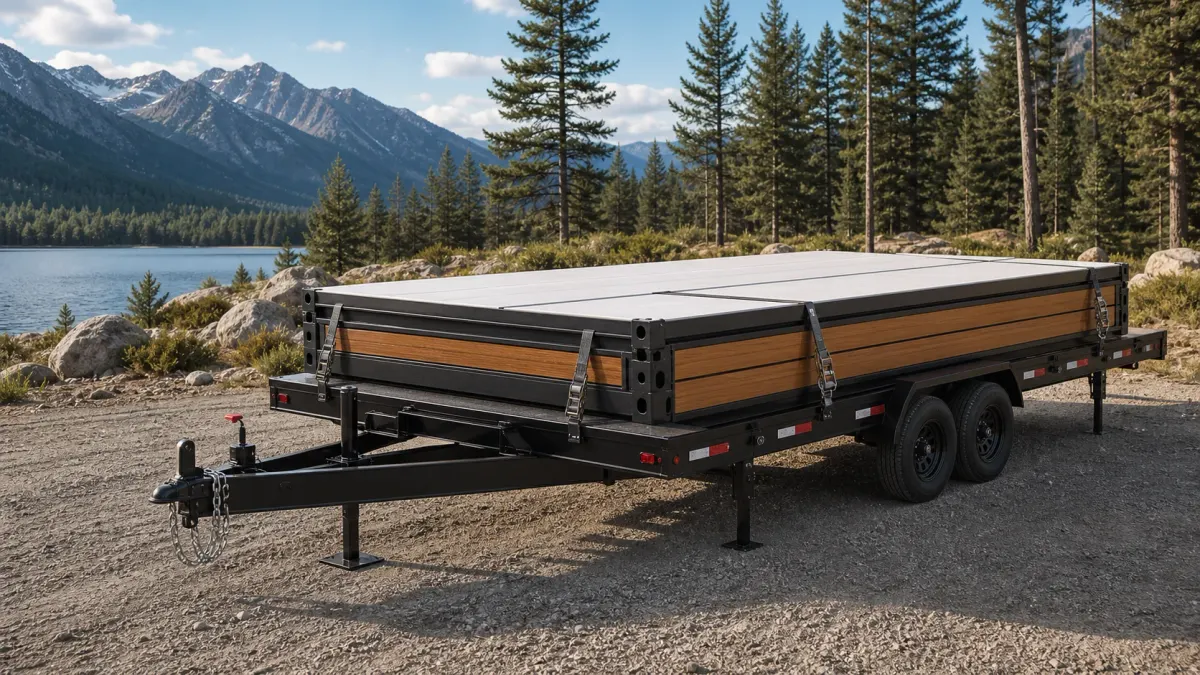
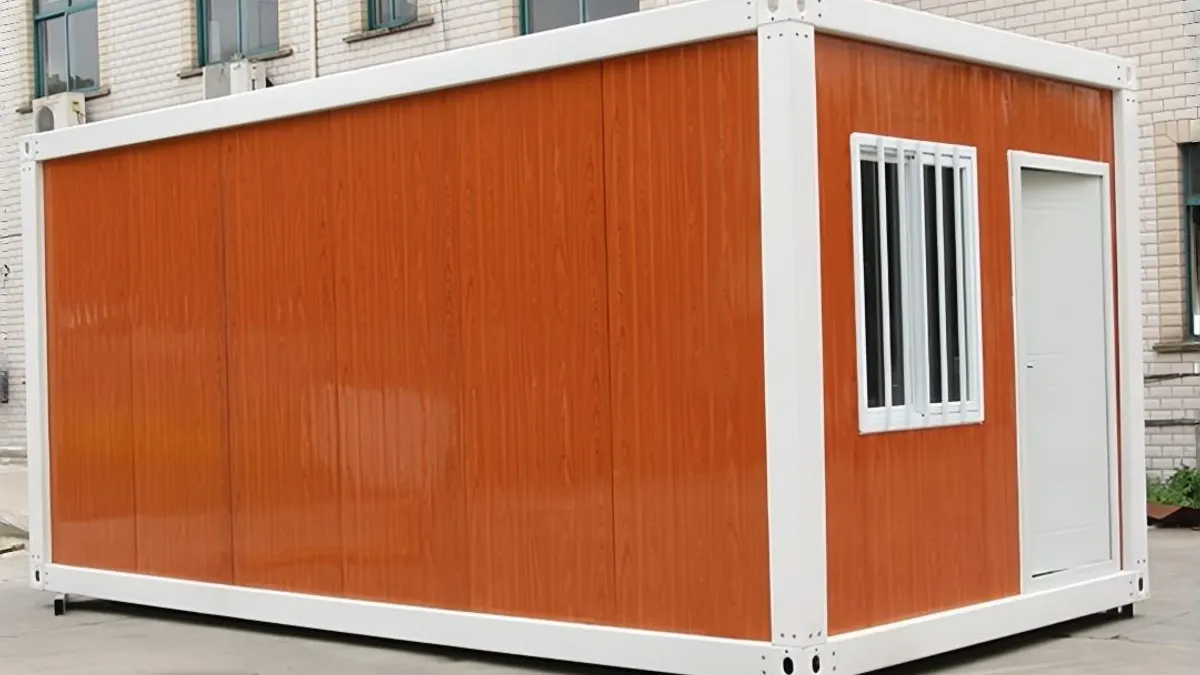
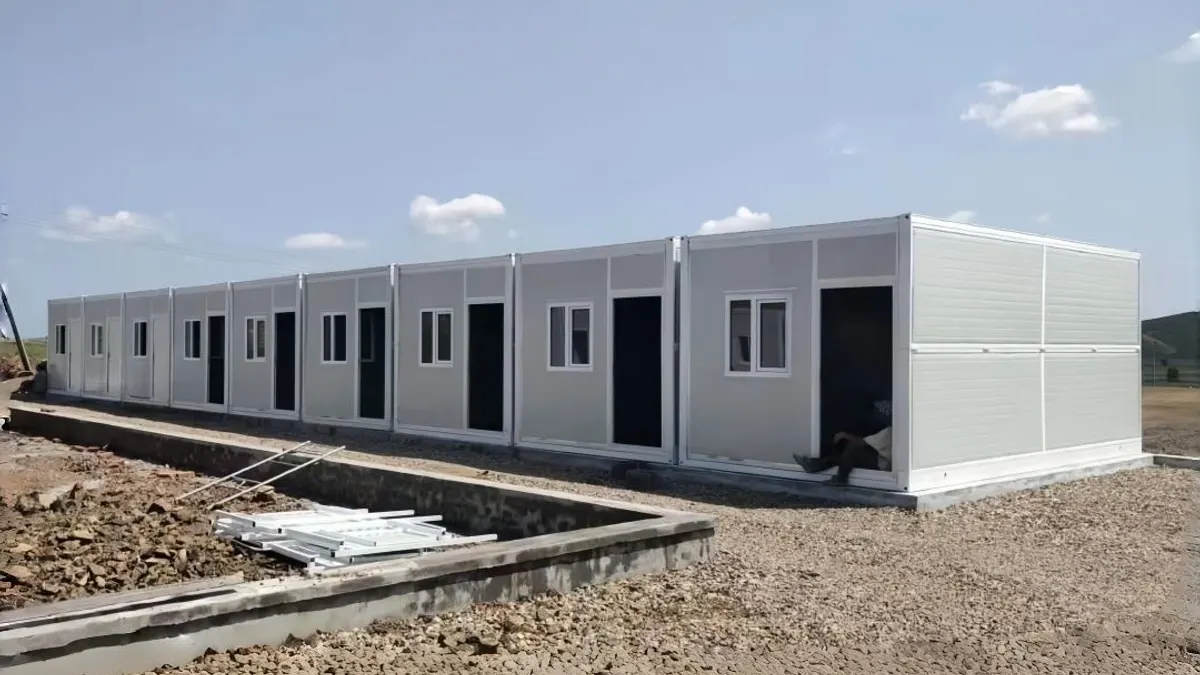
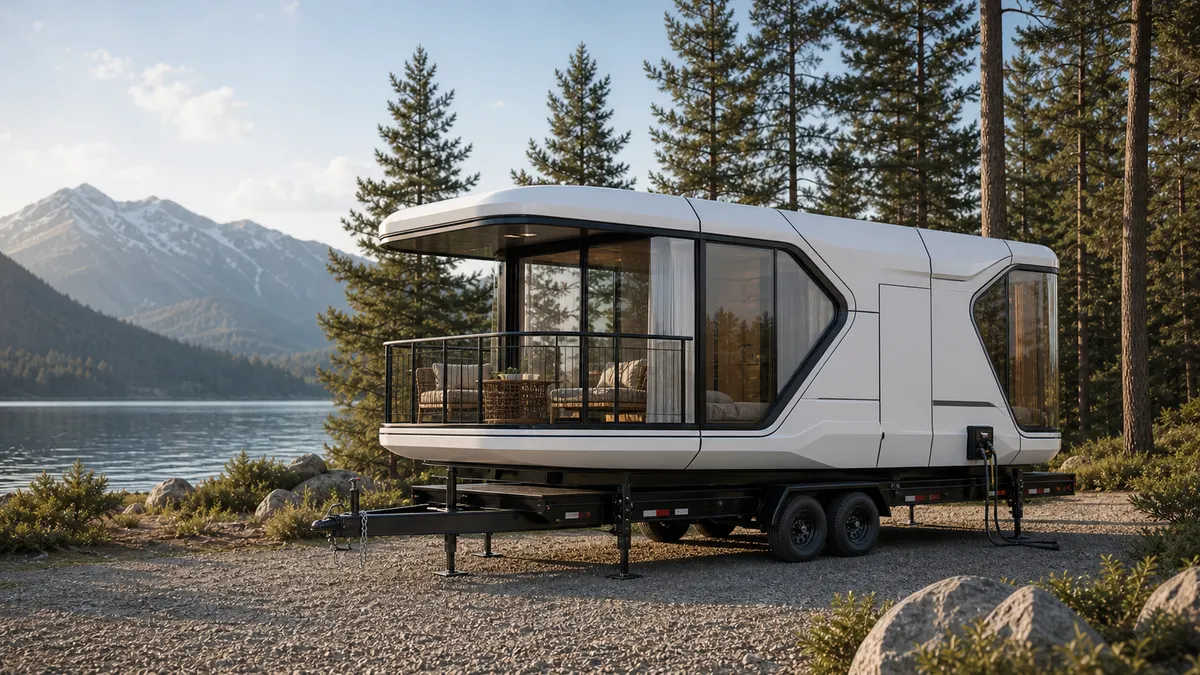
In North America, buyers regularly compare tiny homes on wheels, park model RVs, modular cabins, and trailer-ready cabin modules because the finished product can look similar in photos. In real projects, though, the label changes the questions you need to answer about placement, utilities, transport, insurance, and local review.
That is why the first conversation should not be Which exterior do I like most? It should be Where will this unit sit, who will carry it, and which local party needs to review the final setup?
For B2B buyers, the real distinction is whether a trailer-ready cabin module is being purchased as a livable module with a local trailer and site path, or whether the project actually belongs in another category altogether.
A good buying process starts with four filters:
- Intended use: guest accommodation, glamping cabin, backyard office, display unit, or seasonal lodging.
- Final location: private land, resort, campground, RV park, or dealer yard.
- Responsibility split: who supplies the trailer, who handles utility hookups, and who manages local review.
- Climate and occupancy: all-season use, short-stay use, or intermittent use.
What MK actually supplies
For the North America Series, MK is best positioned as a cabin module supplier, not as the final authority on your county, your trailer registration path, or your local approval process.
That means the strongest project fit usually looks like this:
- MK supplies the cabin module, enclosure, interior package, and the key interface information for structure and utilities.
- A local trailer or chassis partner supports the running gear and road-path side if your project needs it.
- A local installer, engineer, or project coordinator checks anchors, foundation logic, hookups, and final placement.
This distinction matters because it keeps the commercial conversation honest. It also helps buyers avoid a common North American trap: assuming that one product label automatically solves every transport, zoning, and occupancy question.
The buyer checklist before deposit
Before placing an order, buyers should write down the answers to these questions in one project brief:
1. Where will the unit live?
A raw-land site, a campground, an RV park, and a private backyard can each trigger a very different review path. The same product may be viable in one and difficult in another.
2. Who owns the local path?
Someone needs clear responsibility for trailer selection, transport permits if required, crane or lift planning, utility connection, and final handover. If that role is vague, the project usually slows down later.
3. Which utilities are available?
Even highly finished modules still need a realistic plan for power, water, wastewater, drainage, and often internet. Many community discussions about tiny homes and prefab cabins eventually come back to the same point: the cabin is only one part of the project budget and schedule.
4. What climate package is actually needed?
A weekend-use guest cabin in a mild zone is different from a four-season hospitality unit in a cold region. Insulation choices, glazing, HVAC sizing, and air sealing should be matched to the real operating pattern.
5. What level of documentation do local partners need?
The earlier you request dimensions, weights, connection locations, and loading logic, the easier it is for your local team to review feasibility before the unit ships.
Documents to request early
A serious buyer should ask for a small decision pack before final signoff:
- General floor plan and elevations.
- Exterior dimensions and indicative shipping dimensions.
- Utility interface map for electrical, water, drainage, and HVAC penetrations.
- Indicative weight or loading guidance for the selected model.
- Finish scope: what is included from factory and what is expected locally.
- Climate package summary: insulation, glazing, and HVAC assumptions.
This is where many projects become clearer. Buyers often discover that the product itself is workable, but the local path still needs one or two project decisions before the order should proceed. If the project is for a resort or campground rollout, it helps to compare this step with our glamping cabin site planning guide and the raw-land prefab cabin checklist.
A better way to compare options
If you are reviewing several suppliers at once, compare them against the same checklist instead of comparing only brochure language.
The best questions are:
- Does the supplier clearly explain what they supply and what stays local?
- Can they show utility interface logic instead of only lifestyle renders?
- Do they talk carefully about local review rather than implying approval is automatic?
- Is the product format aligned with your real site, not just with a social-media trend?
A trailer-ready cabin module can be a very strong North American option when the supplier role, trailer role, and local project role are defined early. That clarity usually matters more than the marketing label on the front page.
The right comparison is operating intent
Trailer-ready cabin modules and tiny homes on wheels can look similar from a distance, but the operating intent may be very different. One may be selected for repeatable site inventory; the other may be chosen for lifestyle mobility or individual ownership.
The useful comparison is not which label is more attractive. It is transport, utility interface, local review, guest use, maintenance, financing, and how the unit will behave after the first season.