A resort is two places at once
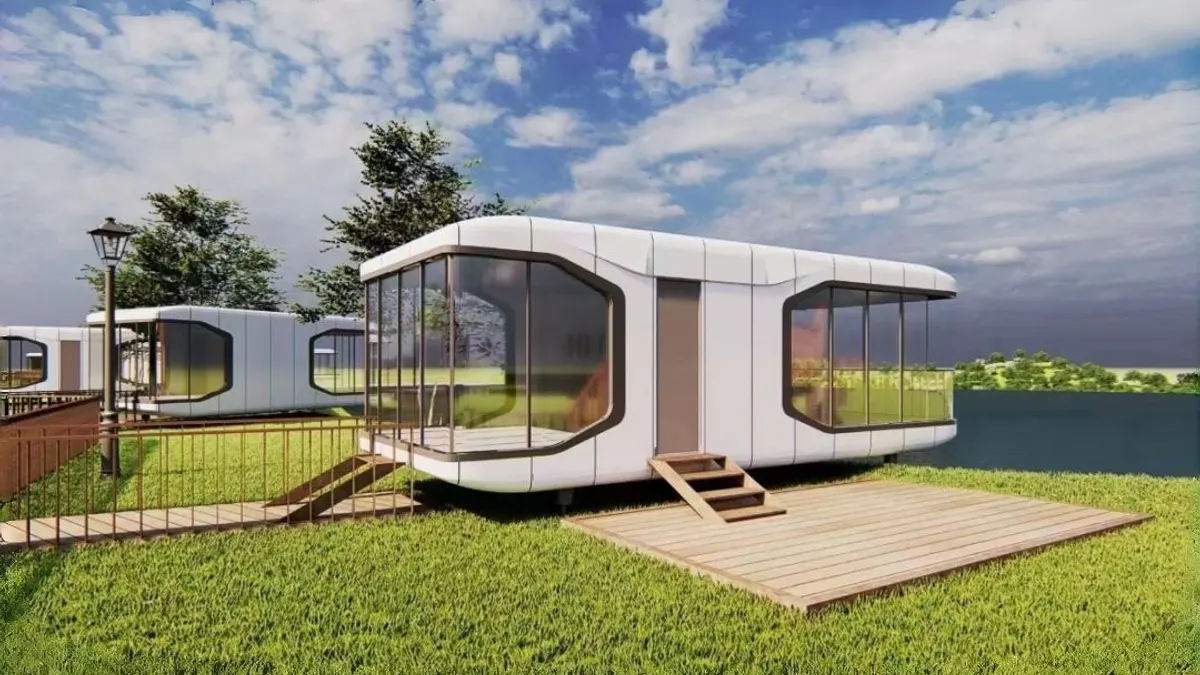
A coastal resort is the place the guest sees and the place the guest never sees. The visible resort is villas, beaches, restaurants, paths, lighting, and views. The hidden resort is staff housing, laundry, storage, maintenance, waste handling, security, offices, utility rooms, water points, and service roads.
When the hidden resort is planned well, the visible resort feels effortless. When it is planned poorly, the guest notices noise, delays, clutter, exposed service movement, and inconsistent maintenance. Coastal destinations make this tension sharper because land, ecology, heat, salt, logistics, and privacy all matter at once.
Service villages are not an afterthought
The term "service village" may sound secondary, but it is central to resort reliability. Staff need places to sleep, eat, rest, change, pray, and prepare. Maintenance teams need storage and access. Housekeeping needs linen flow. Food service needs receiving and waste handling. Security needs checkpoints that do not feel hostile to guests.
If these functions are squeezed into leftovers, the resort pays for it every day. The better approach is to plan service villages as operating neighborhoods with their own circulation, shade, utilities, and relationship to guest zones.
Coastal conditions punish weak details
Coastal sites add their own pressure: salt air, humidity, heat, wind, sand, long supply routes, and sensitive landscape. Temporary or modular support buildings must be selected and placed with these realities in mind. Ventilation, corrosion protection, shade, drainage, cleaning access, and maintenance rhythm are not minor details.
A support building that works inland may need adjustment near the sea. Doors, seals, exterior materials, service paths, and equipment placement all affect how long the facility remains useful.
Guest privacy depends on service geometry
Privacy is not only about distance. It is about geometry. Can staff reach rooms without crossing guest relaxation areas? Can waste leave without passing the breakfast terrace? Can maintenance happen without parking in the guest view corridor? Can staff rest areas be dignified without being exposed?
These are layout questions before they are product questions. A resort that protects service geometry protects the feeling of luxury.
Modular support should be planned for movement
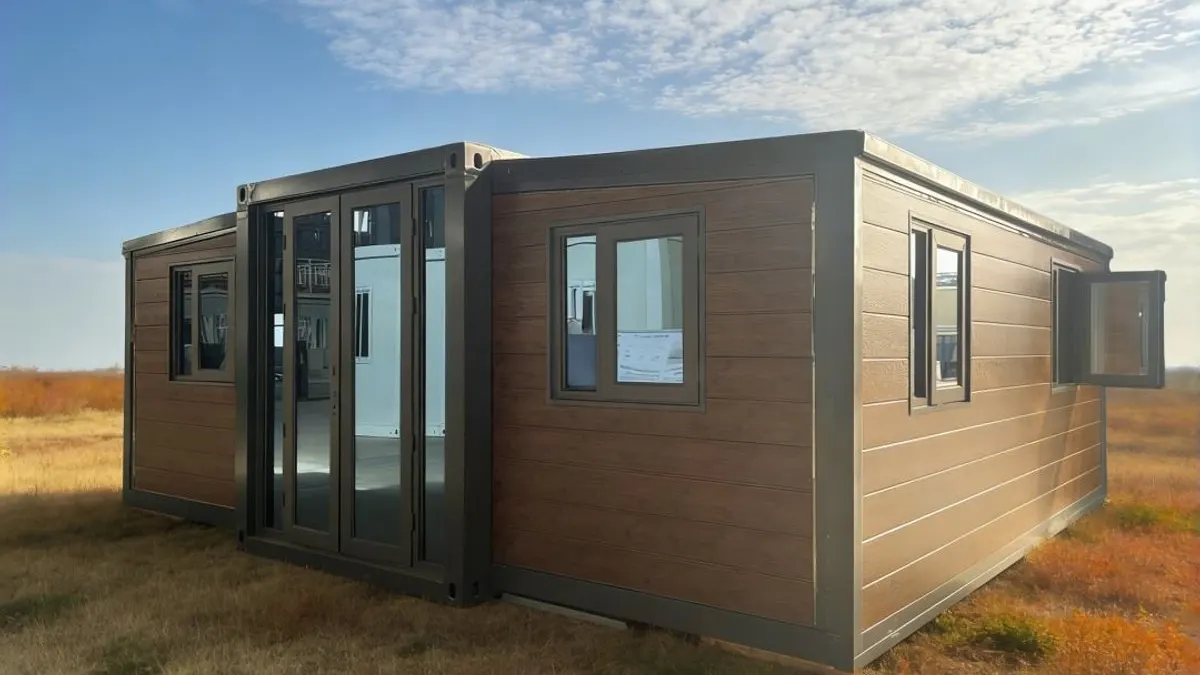
In destination development, needs shift. Early works may require site offices, worker accommodation, sanitation, and storage. Opening phase may require hospitality support and guest-service overflow. Mature operations may need different staff patterns, maintenance capacity, or seasonal expansion.
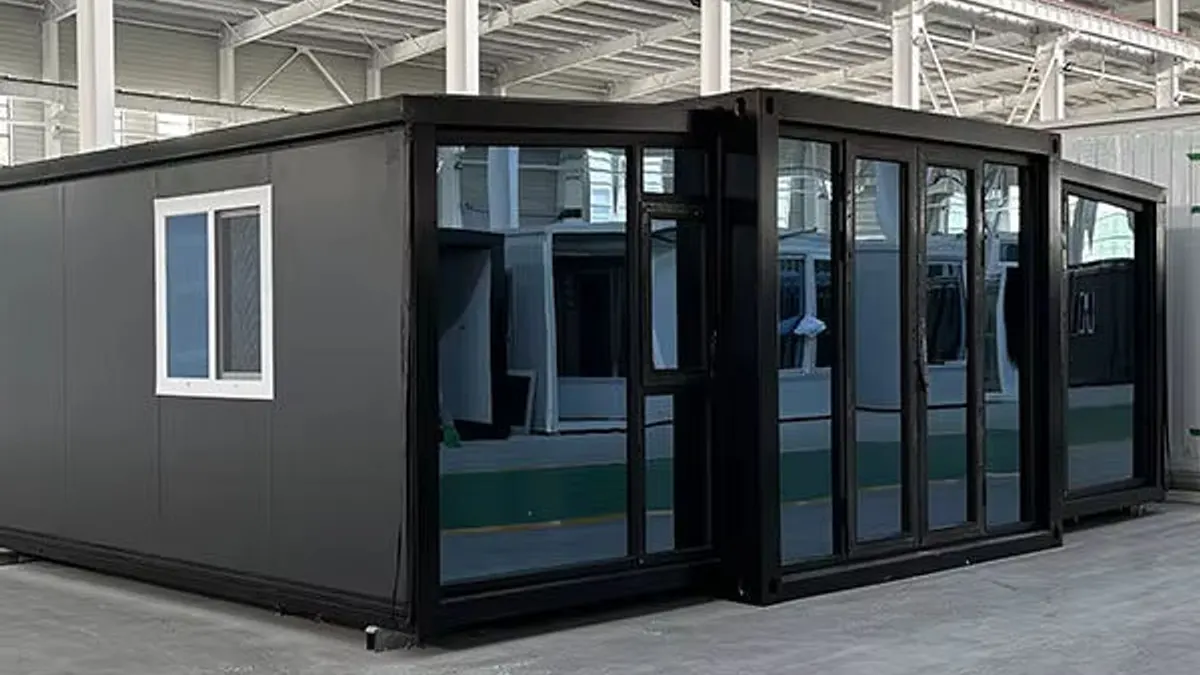
Modular support buildings can help because they can be phased, repeated, relocated, or repurposed. But that value appears only when the site plan leaves routes, lifting access, utility separation, and future destinations for the modules.
Distance is expensive on a coast
On a coastal resort site, distance is not neutral. A laundry room that is slightly too far away becomes staff time. A storage point in the wrong place becomes repeated vehicle movement. A maintenance shed without shade becomes slower work. A service road that crosses a guest view becomes a visible flaw every day.
This is why service villages deserve the same mapping discipline as guest villas. The planning team should draw the invisible journeys: linen, food, waste, tools, staff breaks, security patrols, water service, and emergency response. Once those journeys are visible, the right support buildings become easier to define.
Temporary logistics should have a second life
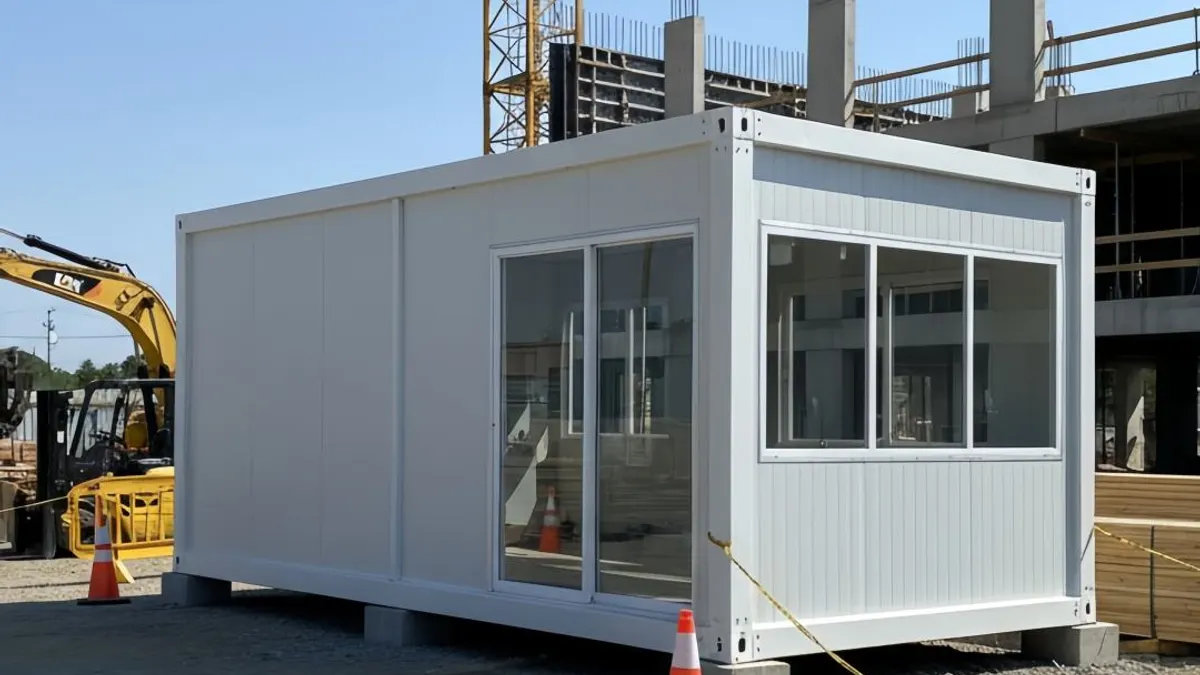
Early-stage coastal projects often need temporary logistics: construction offices, worker accommodation, clinics, toilets, storage, and guard points. The temptation is to treat them as disposable. A better approach is to ask where each asset could go next.
A site office may later support maintenance. A staff unit may move to a service village. A storage module may become seasonal event support. Designing temporary logistics with second-life thinking can reduce waste and make the project more adaptable as the destination matures.
The practical takeaway
The back-of-house layer is not less important because guests do not see it. It is more important because guests feel its quality indirectly. For Red Sea-style coastal resorts, service villages are part of the hospitality architecture.
The serious planning question is not how to hide support functions. It is how to make them dignified, efficient, climate-aware, and flexible enough to protect the guest experience for years.