The headline number hides the work behind the stay
Saudi tourism growth is often discussed through big visitor numbers, destination announcements, and hotel keys. Those figures matter, but they can hide the less visible work that makes hospitality feel reliable: staff movement, cleaning rooms, laundry, waste, shaded waiting, prayer access, back-of-house storage, security, water, power, and maintenance.
For project owners, the operational layer is not secondary. It is the layer that turns a scenic destination into a repeatable guest experience. A resort can have a strong concept and still disappoint if staff housing is too far away, service vehicles cross guest paths, temporary support buildings feel chaotic, or utilities are added only after guest rooms are designed.
More arrivals create more friction points
As tourism scales, friction appears in ordinary places. Check-in queues become shade problems. Restaurant success becomes cold-storage and waste-handling pressure. Premium villas create higher laundry and maintenance expectations. Remote sites need staff who can arrive, rest, eat, pray, and work without long daily transfers.
This is why the phrase "guest support" should be read broadly. It includes the comfort of the guest, but also the daily life of the people who keep the destination working. When that support layer is weak, the guest room has to carry too much of the experience by itself.
The support village is part of the hospitality product
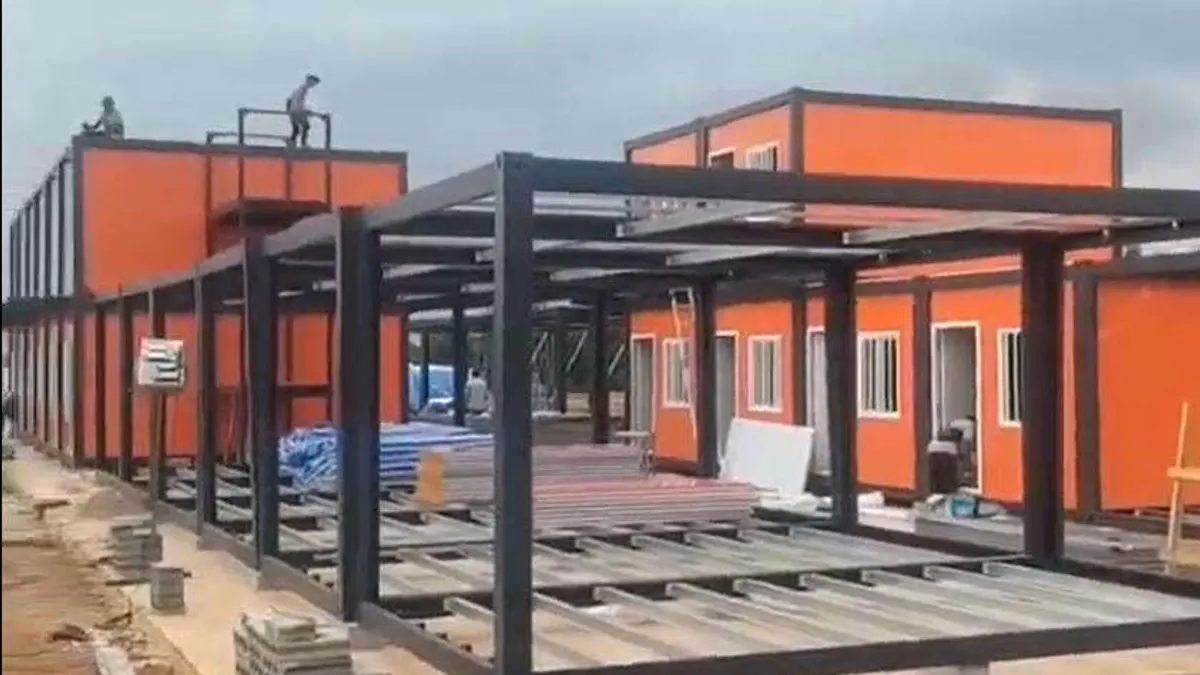
In many emerging destination projects, the support village is treated as a backstage necessity. A better view is to treat it as infrastructure for quality. Staff accommodation, break rooms, small offices, laundry, dining, clinics, sanitation, storage, and service checkpoints affect response time and morale.
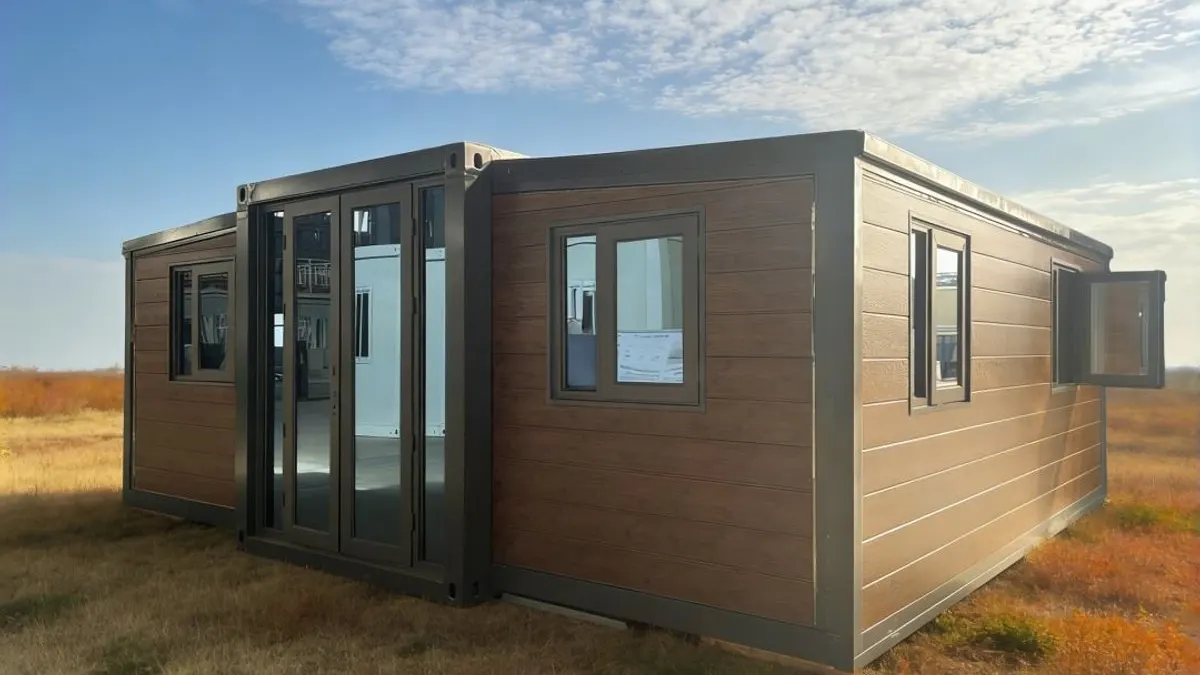
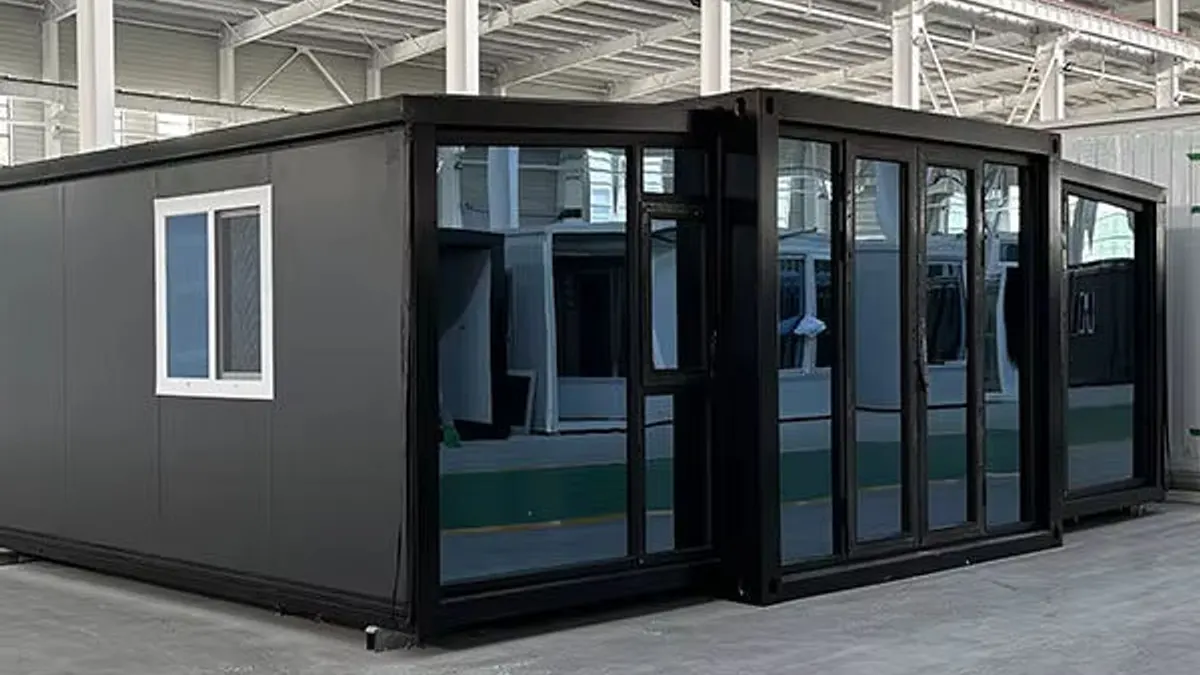
Temporary or modular support buildings can help because they allow a project to build the operating layer before every permanent structure is ready. But they need a plan. A scattered set of units may solve a short-term space problem while creating long-term circulation issues. A support village with service roads, shade, water points, waste handling, and separation from guest privacy zones can make growth feel controlled.
Local climate changes the meaning of convenience
In a hot, dusty, or coastal environment, convenience is physical. Shade is not decoration. Dust control is not a finishing detail. Shorter staff walking distances can affect service quality. Outdoor waiting areas need protection. Equipment rooms need ventilation. Materials, seals, doors, and cleaning rhythms need to fit the environment.
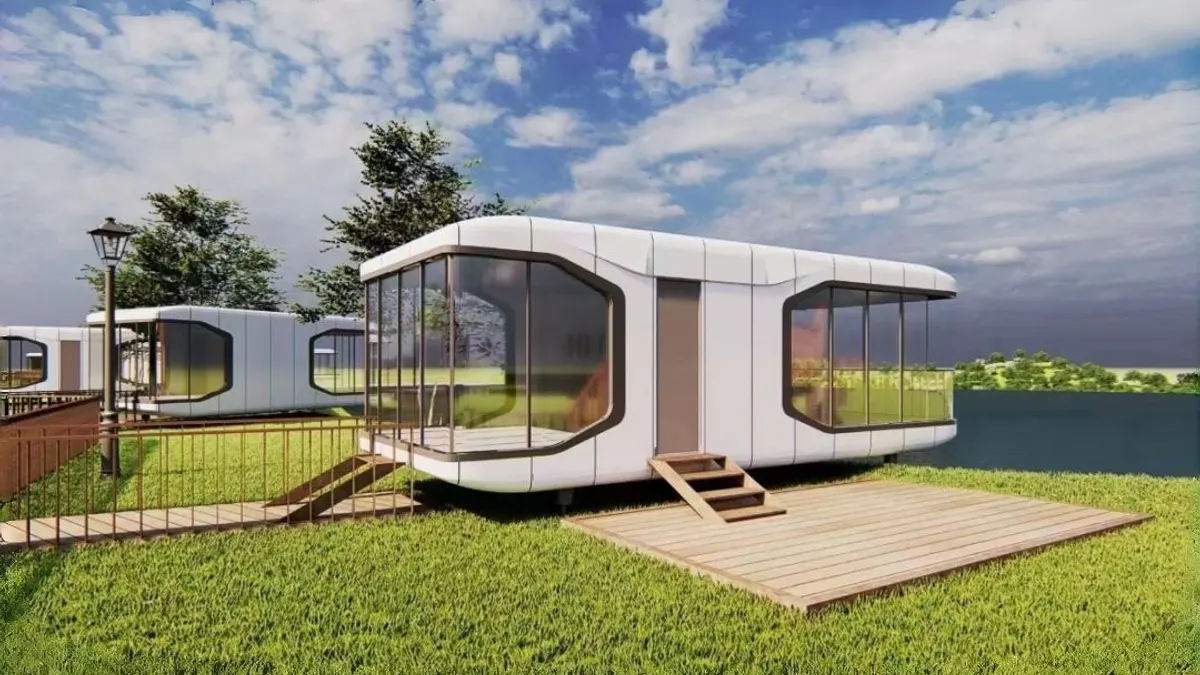
This is where imported hospitality assumptions can fail. A plan that works in a temperate city may not work in a desert resort or coastal site with heat, salt, sand, seasonal occupancy, and long supply routes. The support layer should be designed for the actual site, not for a generic rendering.
Phasing is not a compromise
Phasing is sometimes seen as a sign that the project is incomplete. In fast-growing tourism markets, it can be a sign of discipline. Phase one can test guest flow, staffing ratios, service routes, and maintenance loads before the destination commits to a larger permanent pattern.
The strongest phased plan identifies what can move, what can expand, what should become permanent, and what should disappear when the site matures. Temporary support modules, mobile offices, staff blocks, and service units should be evaluated by their ability to reduce risk during growth, not only by their upfront cost.
A better brief for tourism support modules
A serious brief should not begin with "we need containers." It should begin with the daily operating scenario. How many staff are on site during peak season? Where do service vehicles enter? What must be hidden from guest view? How far can a worker reasonably walk in heat? Where is prayer access? What utilities exist today? Which functions need to stay after the opening period?
Once those questions are clear, modular buildings become one possible tool among several. They can support speed, repeatability, relocation, and staged investment. But they only create value when the planning logic is strong enough to tell them where to go and what job they are solving.
The practical takeaway
Saudi tourism growth should not be read only as a race to add guest rooms. It is also a race to build operating competence. The destinations that feel effortless to visitors will be the ones that planned the hidden layer early: staff life, utility logic, service movement, climate protection, privacy, and phased support.
For developers, the most useful question is simple: before adding more visible rooms, have we built the backstage system that will make those rooms work every day?