Luxury is visible; operations are mostly hidden
A Red Sea resort is marketed through water, sand, architecture, privacy, and arrival experience. Guests see villas, restaurants, pools, jetties, and carefully framed views. They do not see the service village that makes that calm possible.
For remote coastal hospitality, the back-of-house layer is not a secondary detail. It is the operating system: staff accommodation, lockers, laundry, storage, maintenance rooms, security posts, clinic space, waste handling, food receiving, and utility support. If that layer is weak, the luxury layer becomes fragile.
Remote coastlines magnify every logistics decision
A city hotel can borrow capacity from nearby neighborhoods. A remote coastal resort cannot. Delivery routes, staff transport, freshwater, wastewater, spare parts, linen cycles, and emergency response need to be designed as part of the opening plan.
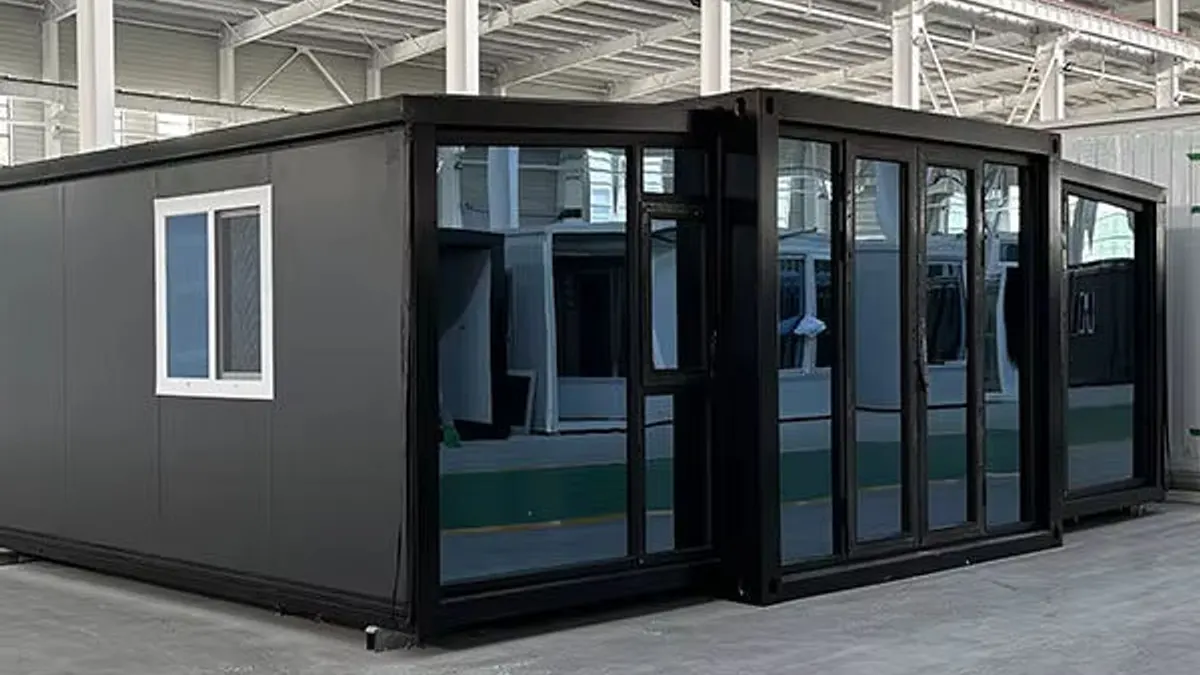
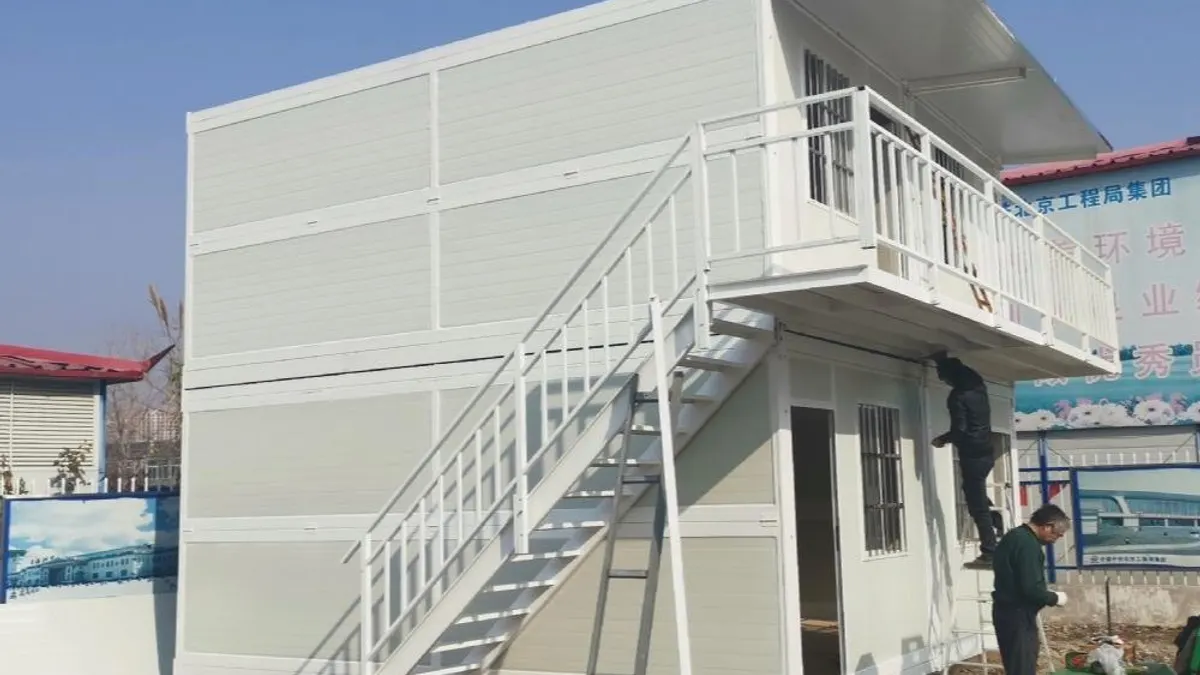
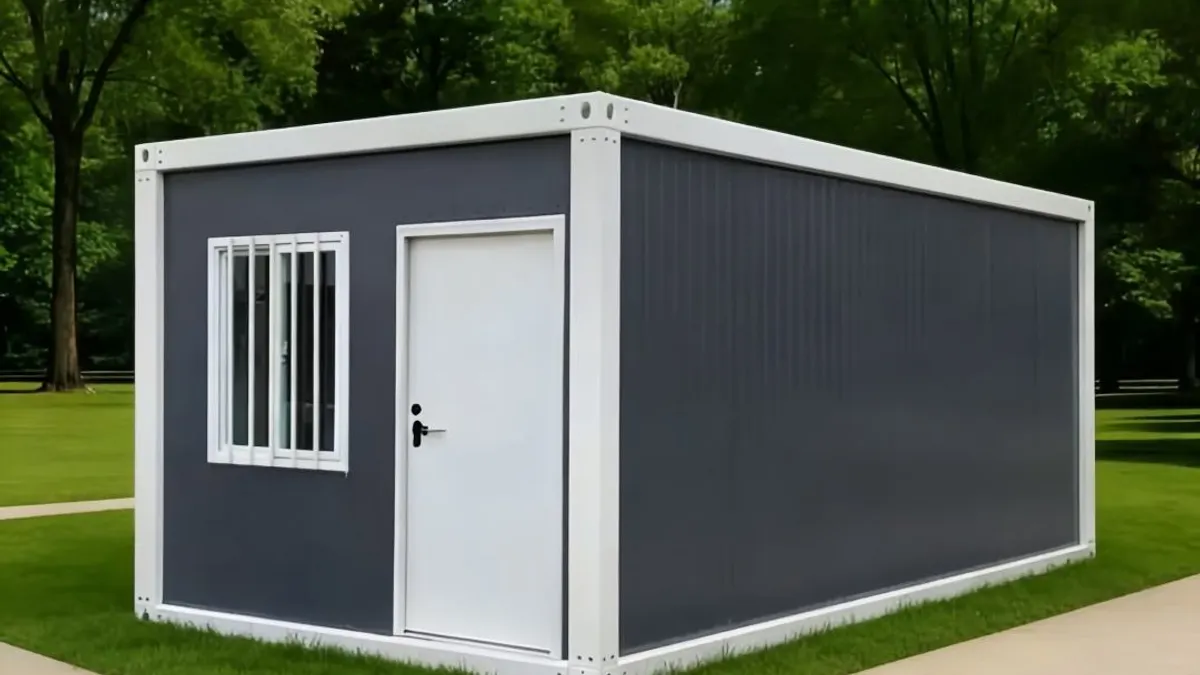
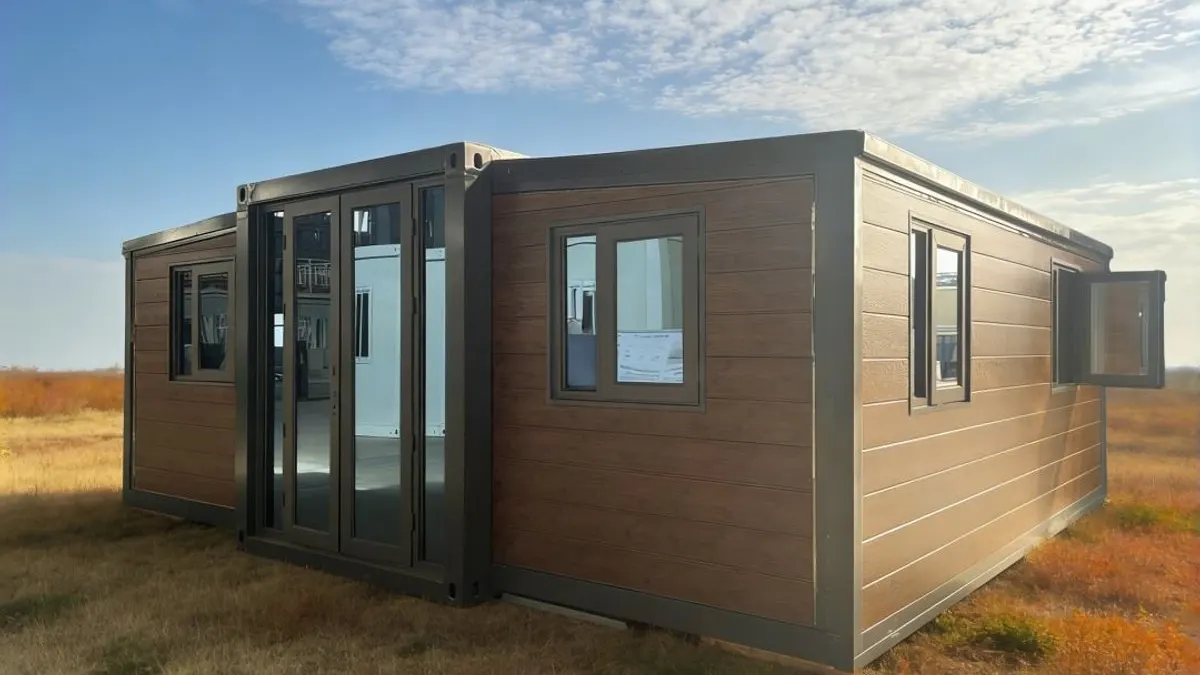
This is why modular support units can matter. They create controlled spaces for functions that must exist before the resort is fully stabilized. They can be installed in phases, relocated as permanent infrastructure comes online, or reused across later development stages.
The service village should be planned as a district
A service village is not a random cluster of containers behind a screen wall. It needs circulation, shade, fire access, privacy boundaries, waste routes, staff comfort, and a clear relationship to the guest-facing zone. A poor service layout can create noise, dust, odor, late-night vehicle movement, and morale problems.
A strong service village separates clean and dirty flows. It keeps staff movement dignified. It allows supervisors to manage linen, food, maintenance, and waste without crossing guest areas. It is operational architecture, even if guests never photograph it.
Opening phases need different kinds of support
Before opening, support needs may focus on contractors, temporary offices, site security, welfare units, clinics, and tool storage. During soft opening, the emphasis shifts to staff amenities, housekeeping, maintenance, receiving, and guest-service backup. After stabilization, some temporary units should disappear while others become reusable inventory.
The mistake is treating all support units as the same. Some are construction phase assets. Some are operations assets. Some are contingency assets for peak season, events, or maintenance shutdowns.
Climate and corrosion must shape the brief
Coastal resort support modules face heat, salt air, humidity, sand, wind, and heavy service cycles. Finishes, insulation, ventilation, roof drainage, exterior coatings, access doors, and maintenance points should be selected for this reality.
A support unit does not need to look like a flagship villa, but it does need to survive daily use. Durability in the hidden layer protects the guest experience in the visible layer.
A better opening brief
A useful opening brief should map staff count by phase, cleaning cycles, food receiving, linen movement, waste route, utility assumptions, maintenance storage, medical support, security points, and future relocation options. It should also define which units are temporary, semi-permanent, or reusable across other resort assets.
This turns procurement from a last-minute unit count into a disciplined operating plan.
The quiet test of a destination
The guest may never notice a good service village. That is the point. Smooth resort operations feel like ease: clean rooms, timely maintenance, calm staff, reliable utilities, and no visible disorder behind the beautiful edge.
For Red Sea resort openings, the quality of the hidden support layer may become one of the most important measures of whether luxury can scale without becoming brittle.