Island hospitality exposes every logistics assumption
Coastal and island resorts create a powerful guest image, but behind that image sits a demanding logistics system. Materials, linen, food, waste, maintenance parts, staff movement, emergency supplies, and weather windows all become more complicated when access depends on marine routes, limited roads, or controlled service schedules.
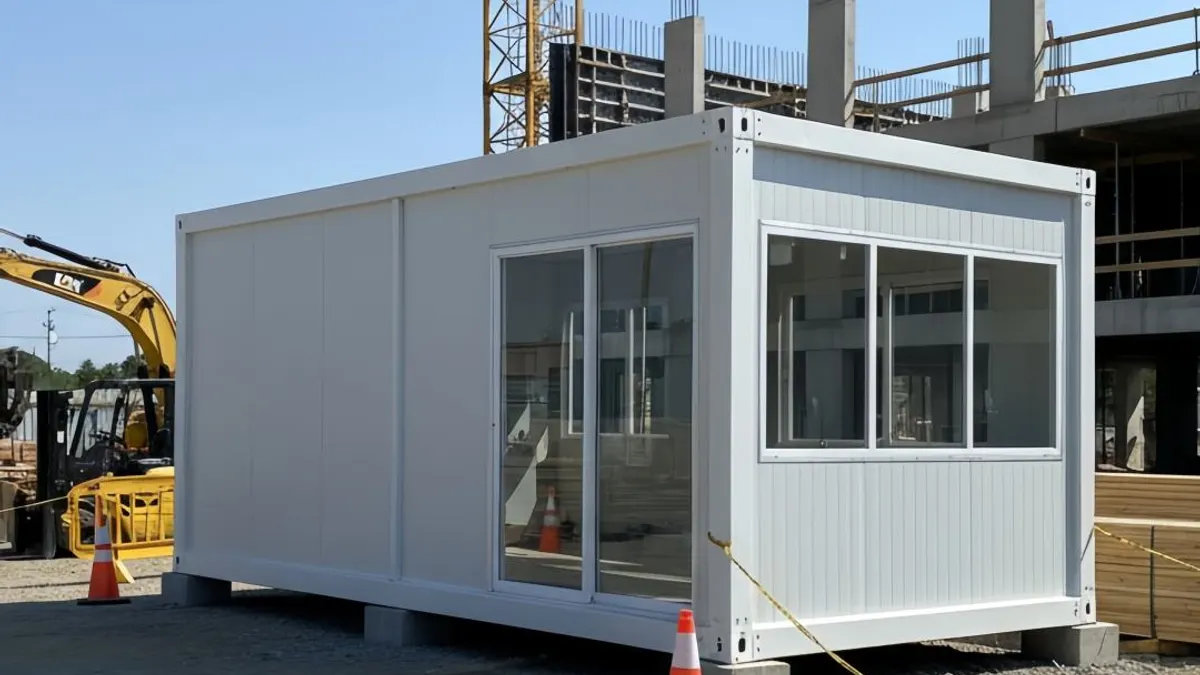
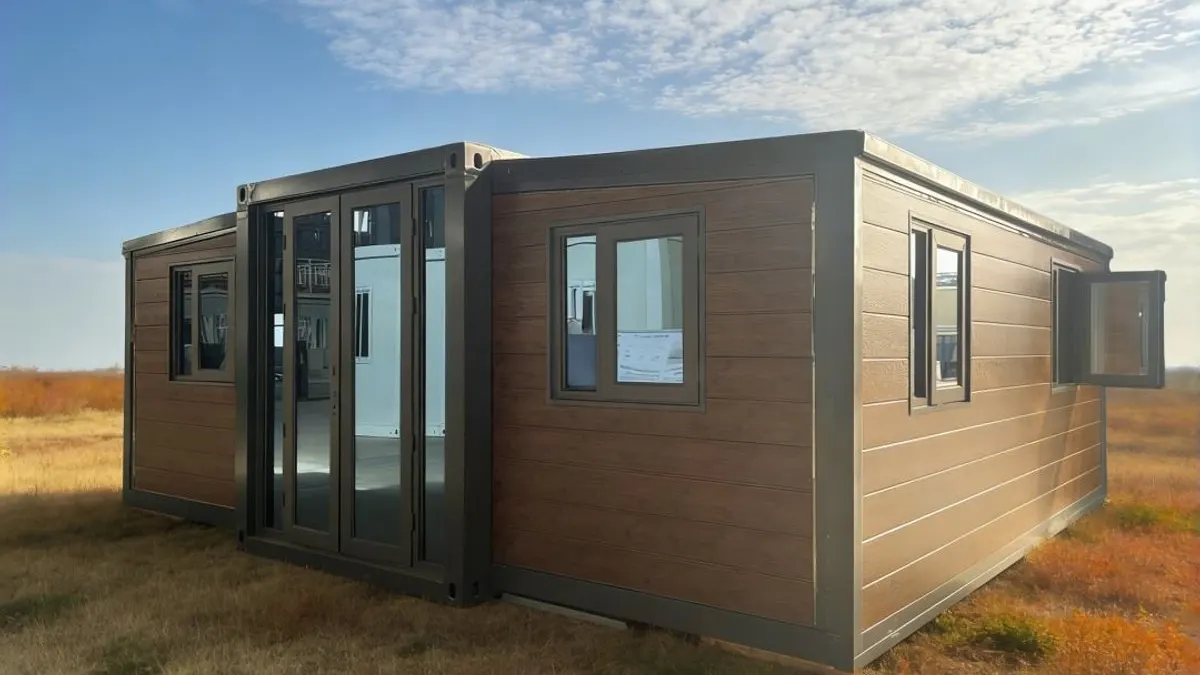
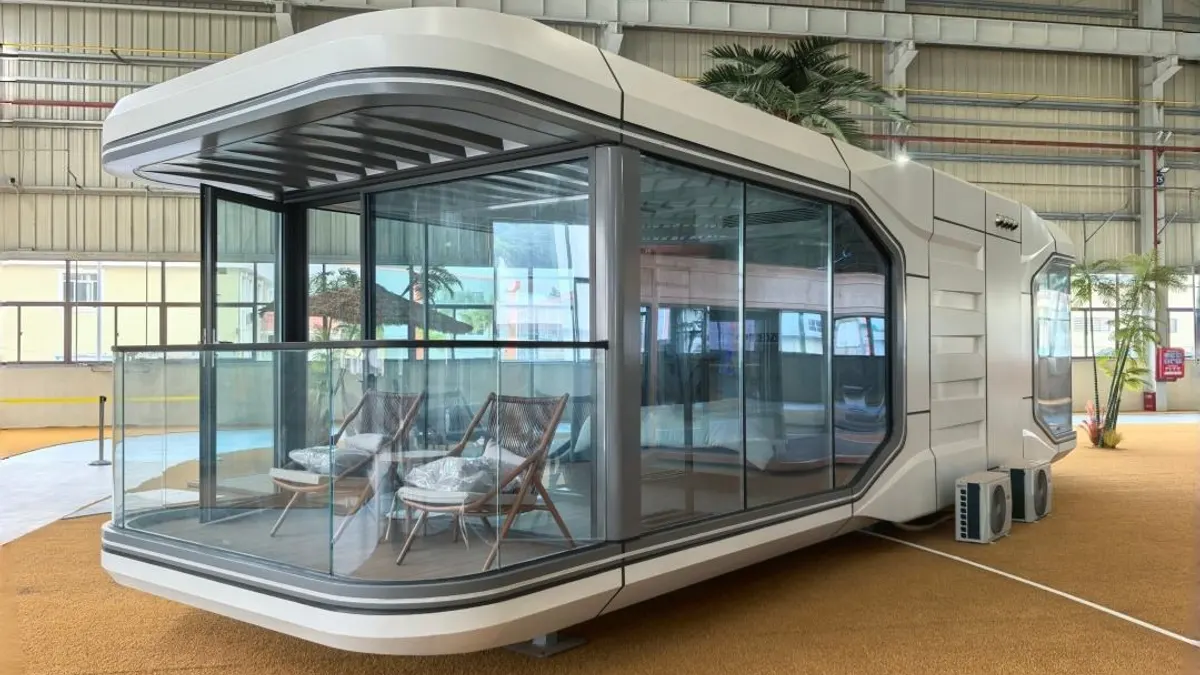
Modular back-of-house units can help, but only if they are planned as part of the logistics chain. A support cabin placed in the wrong location can add travel time, block service movement, or create visual conflict with the guest experience.
Back-of-house is a guest-experience issue
Guests may never enter staff offices, storage modules, laundry support, or maintenance cabins, yet they feel the result. Clean rooms, timely repairs, quiet service movement, and stocked amenities all depend on back-of-house capacity. When that layer is too small or too far away, the resort feels less polished.
This is especially true for premium coastal destinations where guest privacy and visual calm are part of the offer. Service areas need to be close enough to work and discreet enough to protect the destination’s identity.
The first map should show material movement
A useful island logistics plan begins with material movement, not architecture. Where do supplies land? Where are they inspected? Where does cold storage sit? How does linen move? Where does waste wait? Which routes are visible to guests? Which routes are weather-sensitive?
Once those questions are mapped, modular units can be placed with purpose: storage near landing points, maintenance near equipment, staff rest near shift zones, and temporary offices near coordination nodes.
Salt, heat, and humidity change maintenance behavior
Coastal environments are not gentle on materials. Salt air, humidity, heat, wind, and sand can affect finishes, fasteners, HVAC, doors, electrical equipment, and exterior shading. A modular unit for a coastal resort should be discussed with maintenance access and material durability in mind.
Owners should ask practical questions about cleaning, corrosion control, spare parts, air-conditioning service, shade attachment, drainage, and how quickly a unit can be inspected after weather events.
Temporary support may need a permanent-grade discipline
Many coastal projects use temporary units during construction, soft opening, or phased resort rollout. Temporary does not mean informal. The more visible and constrained the destination, the more disciplined temporary support must be.
Units should have clear utility assumptions, waste handling, visual screening, service access, and relocation plans. If the temporary phase lasts longer than expected, the site should still look intentional rather than improvised.
Staff welfare and logistics belong in the same brief
It is easy to separate staff rest from logistics, but island operations connect them. Long service routes, heat exposure, boat schedules, and shift timing affect both people and materials. A staff rest module in the wrong place can be as inefficient as a storage unit in the wrong place.
A stronger brief combines staff movement, supply movement, service vehicles, shaded waiting, water access, and supervisor visibility. The result is a back-of-house layer that supports both people and performance.
A quiet support layer protects the resort story
Red Sea and coastal hospitality projects are often judged by their sense of calm, exclusivity, and environmental care. Back-of-house planning supports that story when service is invisible, staff are equipped, waste is controlled, and maintenance responds quickly.
Modular units are most useful when they strengthen the operating system without becoming the story themselves. That requires early logistics mapping, coastal material review, utility clarity, and placement that respects the guest experience.