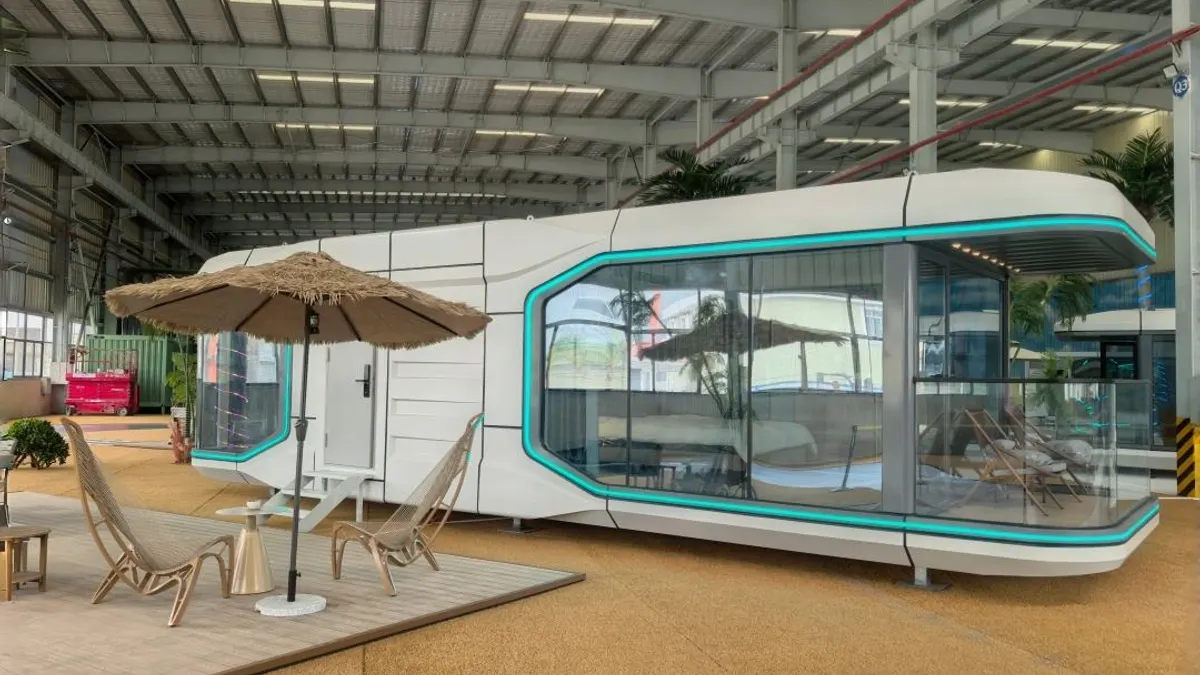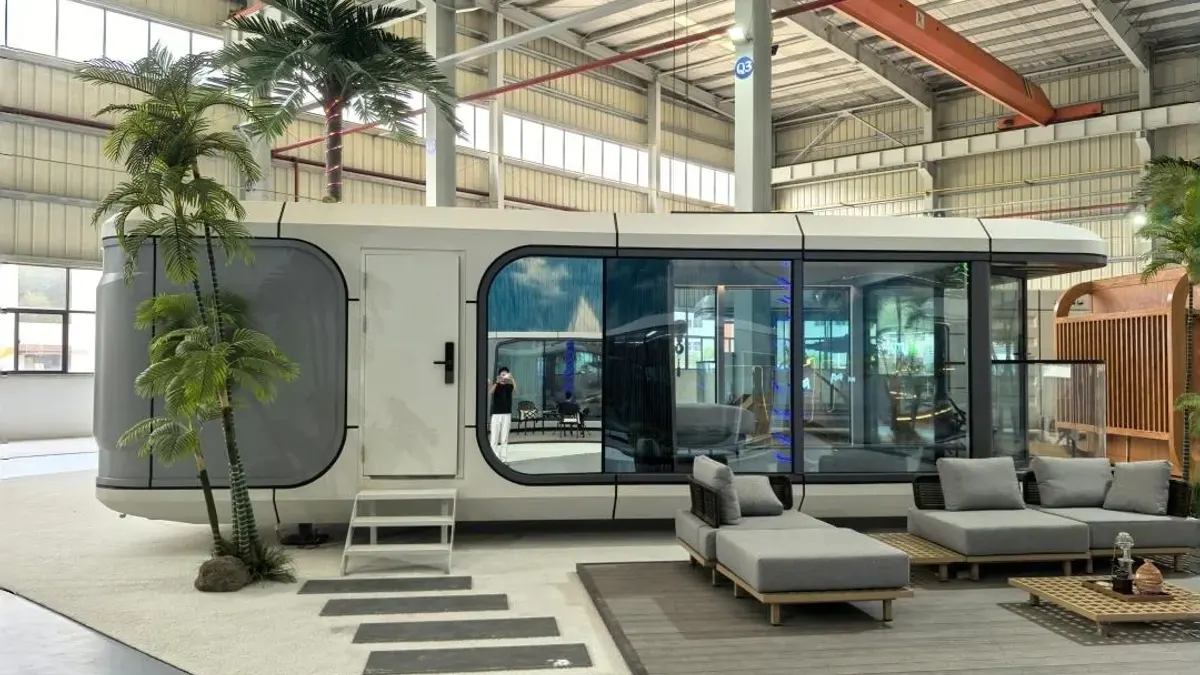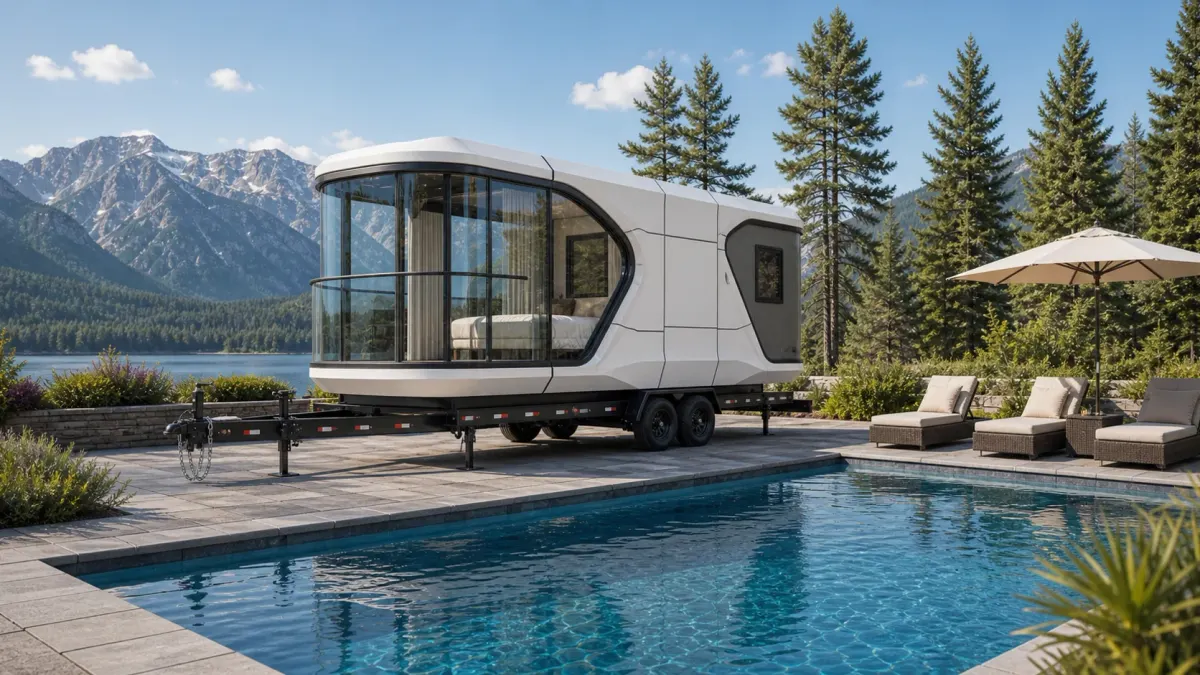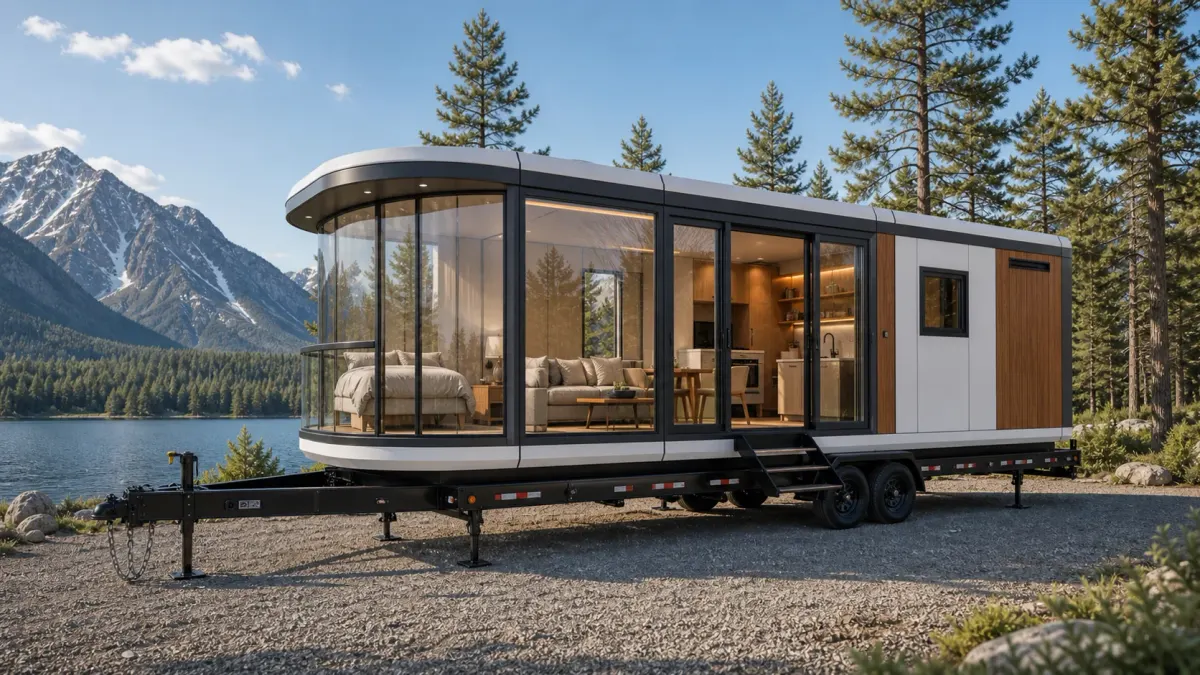
The rental guest is not always ready to own the lifestyle
Outdoor hospitality demand is no longer driven only by people who already own a trailer, know campground etiquette, and travel with a complete setup. RV rentals, peer-to-peer platforms, short road trips, and social travel content bring guests who are curious about the outdoor experience but not yet committed to the equipment, towing, storage, maintenance, or planning burden.
That guest is valuable, but the product promise is different. They may want the feeling of a campground without the friction of leveling a rig, troubleshooting hookups, or packing every piece of gear. A modular cabin can act as the bridge between hotel behavior and outdoor travel, but only when the site designs arrival, comfort, privacy, and communication around that lower-experience guest.
Cabins can reduce the first-trip learning curve
A first-time camper often judges the whole category by the first night. If check-in is confusing, bedding is unclear, power is weak, bathrooms feel far away, or staff are hard to reach, the guest may decide that outdoor stays are too much work. Cabin inventory gives operators a way to control more of that first impression.
The planning question is not simply how many cabins to buy. It is which moments should feel hotel-simple and which moments should remain outdoors. Clear parking, lighting, lock access, basic climate comfort, restroom distance, and visible staff contact can turn a nervous first stay into a repeatable product.
RV renters still bring RV expectations
A guest who rented an RV for one leg of a trip may still expect campground amenities near the cabin: dump-station logic, shared showers, fire rings, picnic space, pet rules, Wi-Fi, and access to the same activity zones as RV sites. If cabins are placed as an afterthought, the guest can feel separated from the main campground experience.
A better approach is to treat rental-adjacent cabin zones as a conversion layer. They should be easy for new guests, close enough to campground energy, and separate enough to avoid noise and vehicle conflicts. The cabin becomes a controlled step into the property, not a detached motel row.
The booking page should not oversell self-sufficiency
Many cabin problems begin before arrival. If the booking page sounds like a hotel but the actual stay requires campground knowledge, expectations break. If the page sounds too rugged, a first-time outdoor guest may not book at all. Operators need a middle vocabulary: private sleeping space, defined utilities, nearby shared amenities, what is included, and what the guest should bring.
This is where modular cabin planning meets SEO and operations. Search terms such as campground cabin rental, glamping cabin, RV park cabin, and first-time camping cabin should lead to honest pages that explain utility scope, arrival steps, bedding policy, pet rules, and seasonal limitations without burying the practical details.
Service zones matter more than decorative themes
A photogenic cabin may get attention, but service design decides whether the model scales. Housekeeping needs turn paths. Staff need storage. Late arrivals need lighting and lock instructions. Guests need a clear route from parking to door. Maintenance needs access without crossing private outdoor seating every time a filter, fixture, or breaker needs attention.
For a campground adding cabins near RV rental demand, the best layout is often modest and disciplined: repeatable unit spacing, visible wayfinding, shared service points, and a guest flow that does not make every arrival a staff intervention.
The bridge works when the next stay is obvious
The goal is not only one cabin booking. The operator wants the guest to understand the next outdoor-stay option: return to the same cabin, bring friends into adjacent units, try a larger module, rent an RV again, or eventually buy their own equipment. Cabin zones can support that journey by making outdoor hospitality feel approachable.
This changes how success is measured. Occupancy matters, but so do repeat guests, upgrade paths, review language, staff workload, and how often first-time guests ask for help. A cabin that lowers anxiety can be more valuable than one that only photographs well.
A practical specification starts with behavior
Before selecting cabin models, owners should map the behavior they want to support: couples arriving after work, families testing outdoor travel, remote workers using a quiet weekday stay, or RV rental guests extending a route. Each behavior affects bed count, porch size, HVAC, bathroom strategy, parking, utility load, and staff coverage.
The strongest cabin brief for this market is not a list of finishes. It is a guest-transition plan: what the guest already understands, what the site will simplify, what staff can support, and how the unit can be repeated without turning the campground into a complicated hotel operation.