Guest rooms create a second project behind the scenes
Large hospitality pipelines are usually described by hotel keys, resorts, branded residences, and visitor targets. Those numbers matter, but they hide a quieter project: where staff live, eat, change shifts, store equipment, receive supplies, and coordinate service before guest areas are fully stabilized.
In remote or fast-growing Saudi destinations, that operating layer can be as important as the guest-facing room count. A beautiful resort opening is difficult to support if staff accommodation, temporary offices, sanitation, dining, and service routes lag behind the guest program.
Staff support should not be treated as leftover space
When staff functions are placed after the master plan is visually complete, they often end up too far away, too exposed to heat, or too close to guest privacy zones. The result is longer staff travel time, service conflicts, and makeshift solutions that become expensive to correct.
Modular support planning should begin early with a map of roles: operations team, housekeeping, maintenance, security, drivers, food service, contractors, and seasonal workforce. Each group has different space, privacy, storage, and movement needs.
A phased hotel pipeline needs phased back-of-house capacity
Hospitality projects rarely move from empty land to full operation in one clean step. Roads, utilities, landscaping, guest rooms, restaurants, beaches, wellness areas, and staff functions may open in stages. Back-of-house capacity should match those stages rather than waiting for the final buildout.
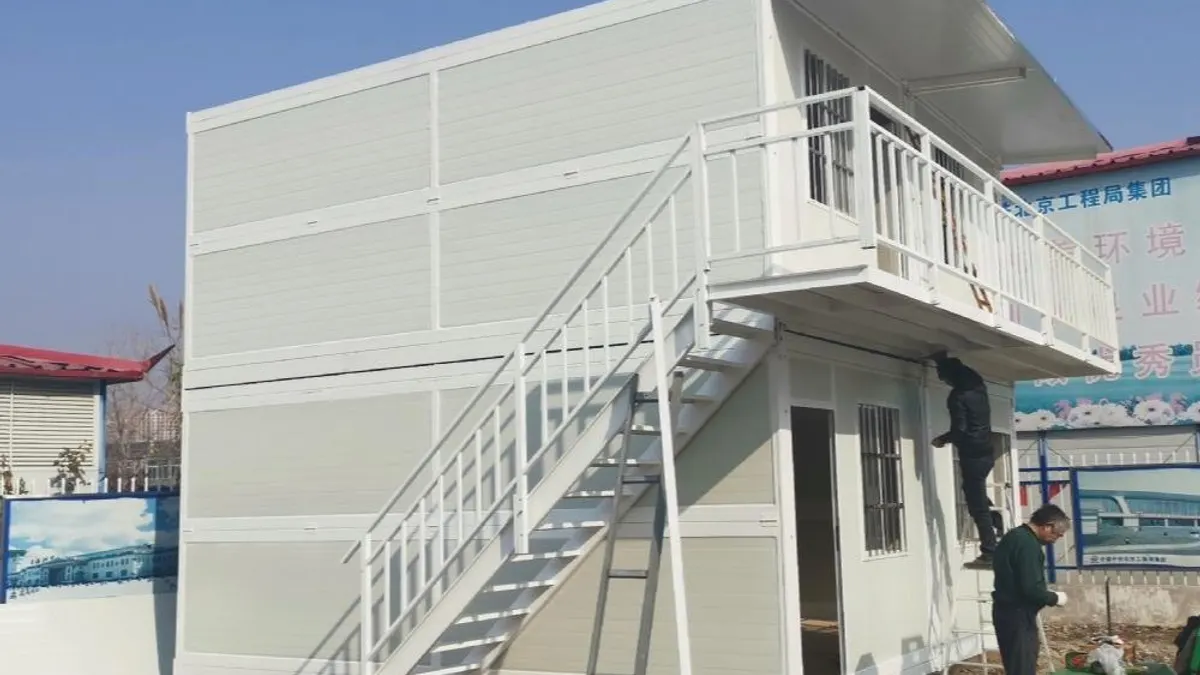
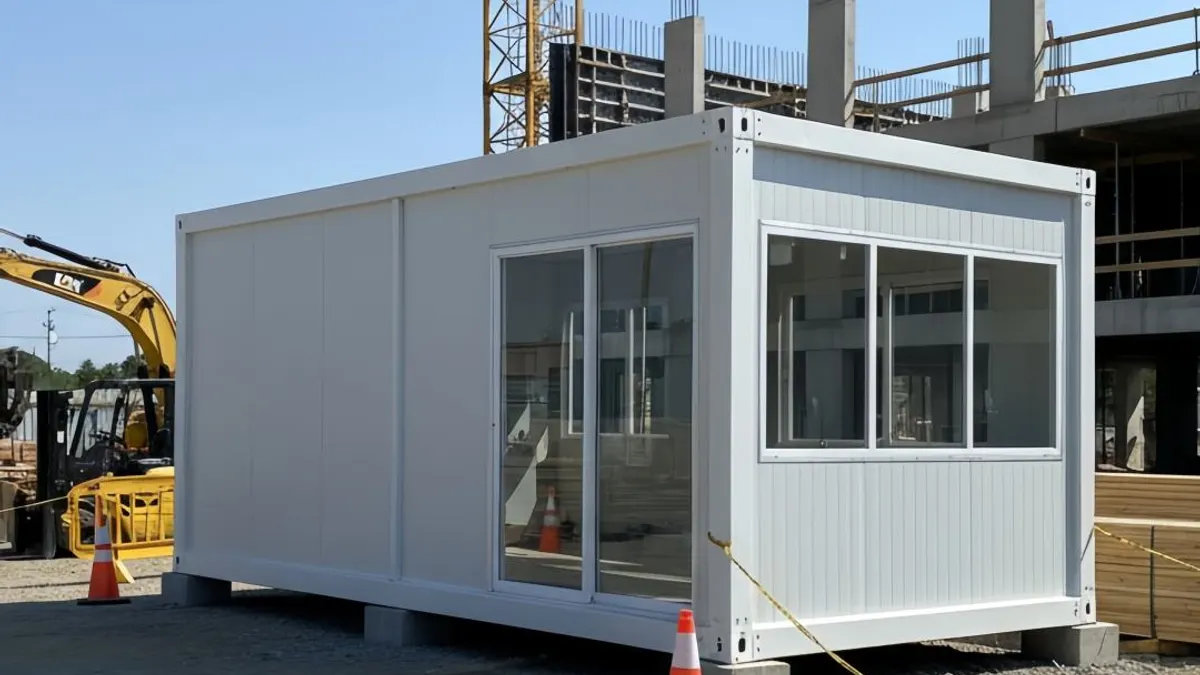
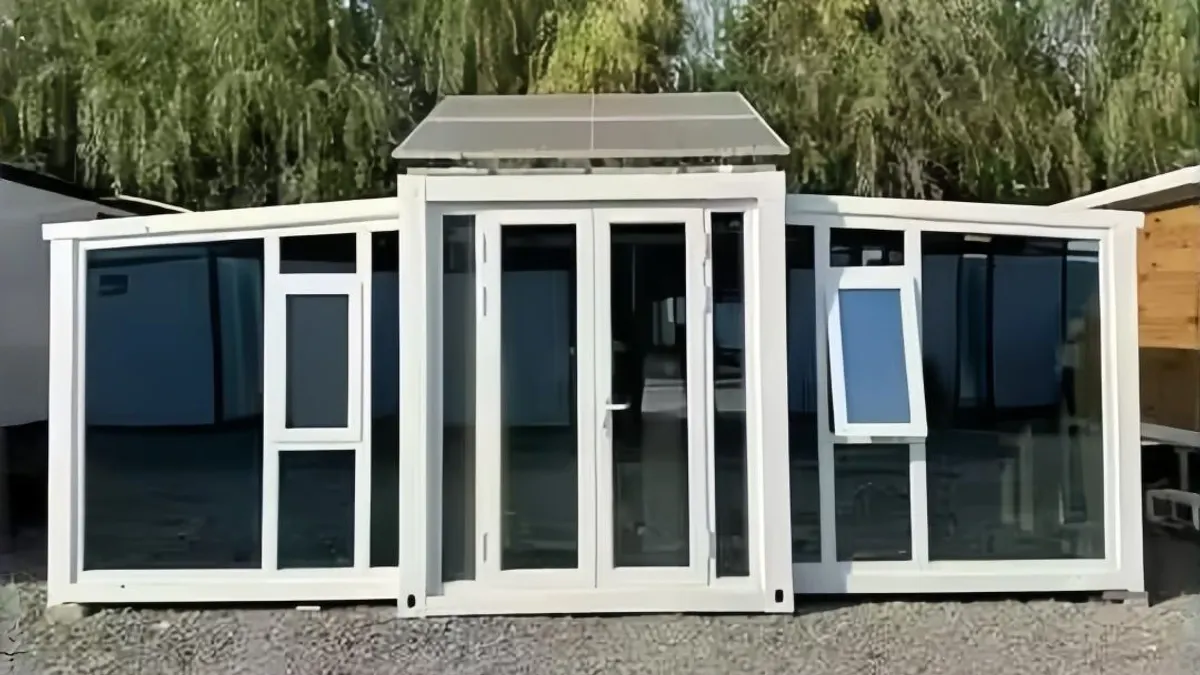
A first phase may need site offices, worker rest rooms, small dining, toilets, showers, and storage. Later phases may add more formal staff housing, laundry, clinic support, training rooms, or logistics yards. The value of modular units is that they can support this sequence if the site preserves access and utility points.
Heat and distance shape the staff experience
In Saudi projects, walking distance is not a neutral planning number. Heat, sun exposure, dust, and shift timing can turn a short map distance into a difficult daily routine. Staff support modules should be planned with shaded routes, rest intervals, water access, and service pickup points.
This is not only a welfare topic. It affects punctuality, retention, service quality, and the amount of supervision needed to keep daily operations smooth. A modular camp or support village that ignores climate behavior may save space while losing operating reliability.
Utilities should be separated by function
Staff housing, service kitchens, laundry, offices, and guest-facing amenities can have different water, wastewater, electrical, cooling, and waste rhythms. Combining them without clear metering or responsibility boundaries can make problems harder to diagnose.
Project teams should define which loads are temporary, which may become permanent, who maintains each system, and how expansion will be handled. Modular units work best when utility scope is explicit before procurement rather than negotiated after delivery.
Supplier coordination starts with the operating diagram
A useful request for modular staff support is not simply a list of cabins. It should include a diagram of people and materials: where staff arrive, where they sleep, where they eat, where linen moves, where waste exits, where maintenance parks, and where guest privacy begins.
This operating diagram helps suppliers, local contractors, and project managers discuss realistic module sizes, service doors, shade structures, MEP interfaces, and installation sequence. It also reduces the risk of buying units that fit on paper but strain the site in use.
The hidden layer becomes visible when it fails
Guests may never notice a well-planned staff support system. They will notice when rooms are delayed, housekeeping misses turns, service vehicles cross luxury arrival paths, or staff areas look improvised. The back-of-house layer is invisible only when it works.
For Saudi hotel and resort pipeline projects, modular staff support should be specified as part of the destination’s operating readiness: phased capacity, climate-aware movement, utility clarity, and local execution review.