A shipment forecast is not a demand forecast
When an industry forecast points to softer RV wholesale shipments, the easy reaction is to treat it as a simple demand warning. For campground owners, that is too narrow. Shipments describe the flow of new units into the dealer and retail ecosystem. They do not fully describe who still wants to travel, who already owns a unit, who rents, who arrives by car, or who wants a cabin because they like the campground experience but not the setup ritual.
The better question is not whether RV travel is rising or falling in one clean line. It is whether the property has enough ways to serve different versions of the outdoor guest. A park that depends only on full-hookup RV pads is exposed to one behavior pattern. A park that adds cabins without thinking about utilities, cleaning, circulation, and guest mix can create a different problem. The middle path is to read softer shipment signals as a reason to test inventory flexibility, not as a reason to make a dramatic bet.
The guest who does not bring the rig
Outdoor hospitality has been separating into overlapping guest groups. Some guests own large RVs and want predictable pad quality. Some rent RVs occasionally. Some travel with friends who own equipment. Others want nature, fire pits, quiet mornings, and a private bed but have no interest in towing, leveling, dumping tanks, or storing gear.
That last group is important because it does not fit neatly into the old campground math. They may book shoulder-season weekends, family reunions, sports-event weekends, remote-work stays, or glamping-style short breaks. Cabin inventory can serve them, but only when it is treated as part of the property's operating design. A cabin zone should not feel like an afterthought pushed into leftover space. It needs access, privacy, parking, housekeeping rhythm, waste handling, emergency movement, and a reason to exist beside the RV pads.
What mixed inventory really changes
Adding cabins changes more than the nightly rate table. It changes check-in scripts, linen handling, maintenance tickets, guest questions, insurance conversations, utility loads, and the way staff move through the property. It can also change the brand promise. A campground that once sold "bring your own equipment" starts selling a hosted stay.
This is why a cabin pilot should begin with a map, not a catalog. Which edge of the property has the right feel? Which utility route is easiest to verify? Where can cleaning staff park briefly without blocking guest movement? Which units can be clustered without creating noise conflict? Which views are worth protecting? Which sites should remain RV pads because their turning radius, hookups, or loyal-repeat value are already strong?
These questions are less glamorous than product images, but they decide whether cabin inventory becomes a useful layer or a future headache.
A slower market can reward smaller pilots
Softer shipment signals can make owners more cautious, and caution can be useful. A small cabin pilot gives the operator evidence: which guest segment books, how often housekeeping turns the units, whether utility assumptions hold, how guests react to spacing, and whether staff can manage the new product without stress.
The pilot should be designed to teach. A five-unit test placed in a readable zone is more informative than a scattered set of units placed wherever space happens to exist. The owner should know what success means before ordering: higher shoulder-season occupancy, a new family segment, fewer weather-related cancellations, stronger group-booking options, or a better offer for guests who travel with RV-owning friends.
Utility capacity is the quiet constraint
Cabins often look simple from the outside. Inside the project plan, utility capacity is usually the quiet constraint. Bathrooms, HVAC, water heating, Wi-Fi expectations, cleaning loads, and guest appliances can behave differently from RV pads. Even when a unit is factory-built, local utility design remains local.
A responsible plan separates the product decision from the site decision. The product can define dimensions, layout, insulation approach, standard equipment, shipping mode, and factory scope. The site plan must define electrical capacity, water, drainage, frost or heat conditions, fire access, local inspection requirements, service routes, and who is responsible for field work. Owners who keep that boundary clear get better quotes and fewer surprises.
How to discuss modular units without turning the article into a sales pitch
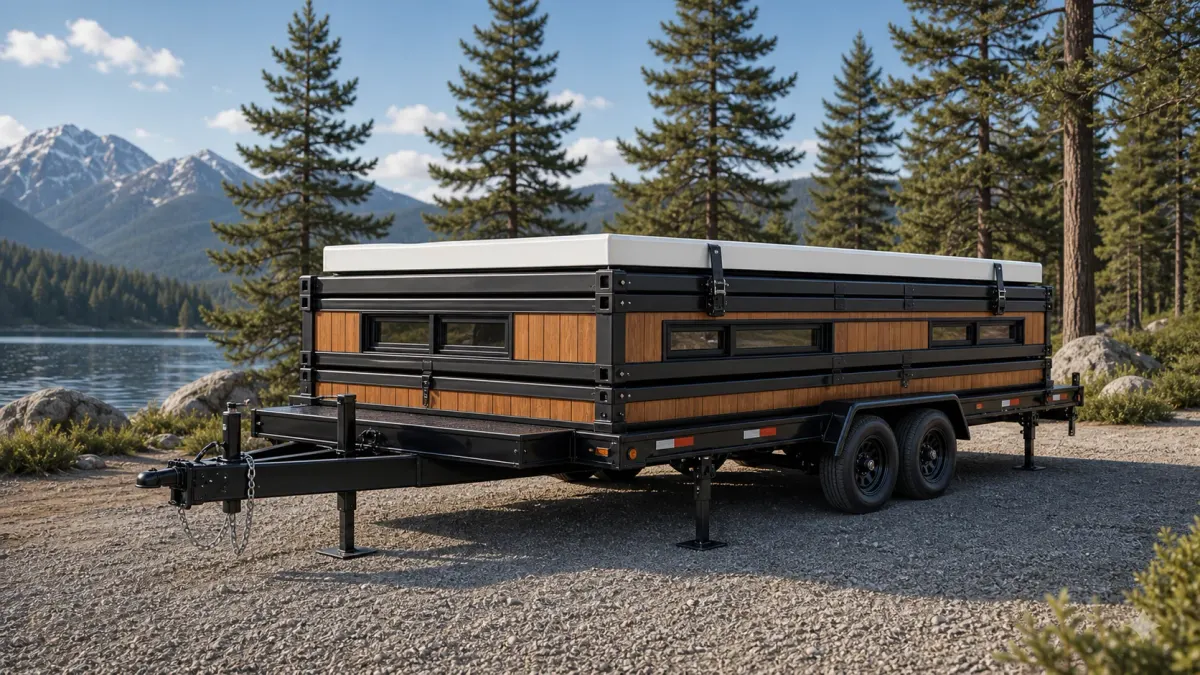
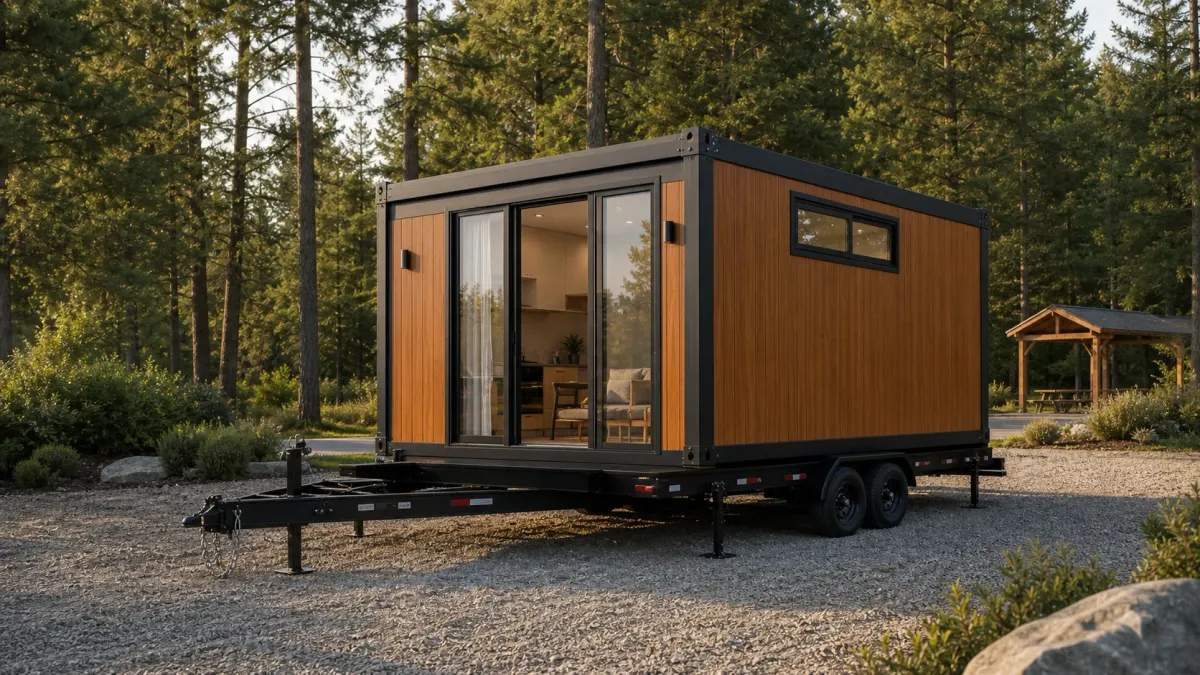
Factory-built cabins, trailer-ready modules, park-model units, and other modular formats can all be useful in the right context. The point is not that one format automatically wins. The point is that campground owners need inventory that matches their operating model.
For some parks, the strongest move is a few higher-comfort cabins near amenities. For others, it is a low-friction staff or seasonal-worker zone. Some sites need rental inventory that can be moved or reconfigured later. Others need durable guest rooms that behave almost like tiny hospitality units. A supplier conversation should come after this thinking, not before it. The more clearly the owner understands the guest, the land, and the utility boundary, the more useful the supplier conversation becomes.
The practical takeaway
A softer RV shipment outlook should not push campground owners into panic or paralysis. It should push them to ask better questions about guest behavior and asset flexibility. Cabins are not a magic hedge against market cycles, but they can become a thoughtful layer in a mixed outdoor hospitality property.
The strongest plan starts with the guest who does not bring the rig, the zone where that guest would actually enjoy staying, and the utility and operating work required to support the stay. Only then should the owner compare product formats, pricing, and rollout phases.