Mountains change the construction calendar
A mountain destination is not simply a resort at a higher elevation. Terrain, weather, road access, slope stability, temperature, wind, and seasonal windows reshape the way work is scheduled and operated. The more ambitious the destination, the more important the temporary support layer becomes.
Trojena is often discussed through its future visitor experience. The planning discipline behind it is less glamorous: where workers rest, where supervisors coordinate, where materials are protected, where clinics operate, and how site teams keep moving when conditions change.
The support layer arrives before the landmark
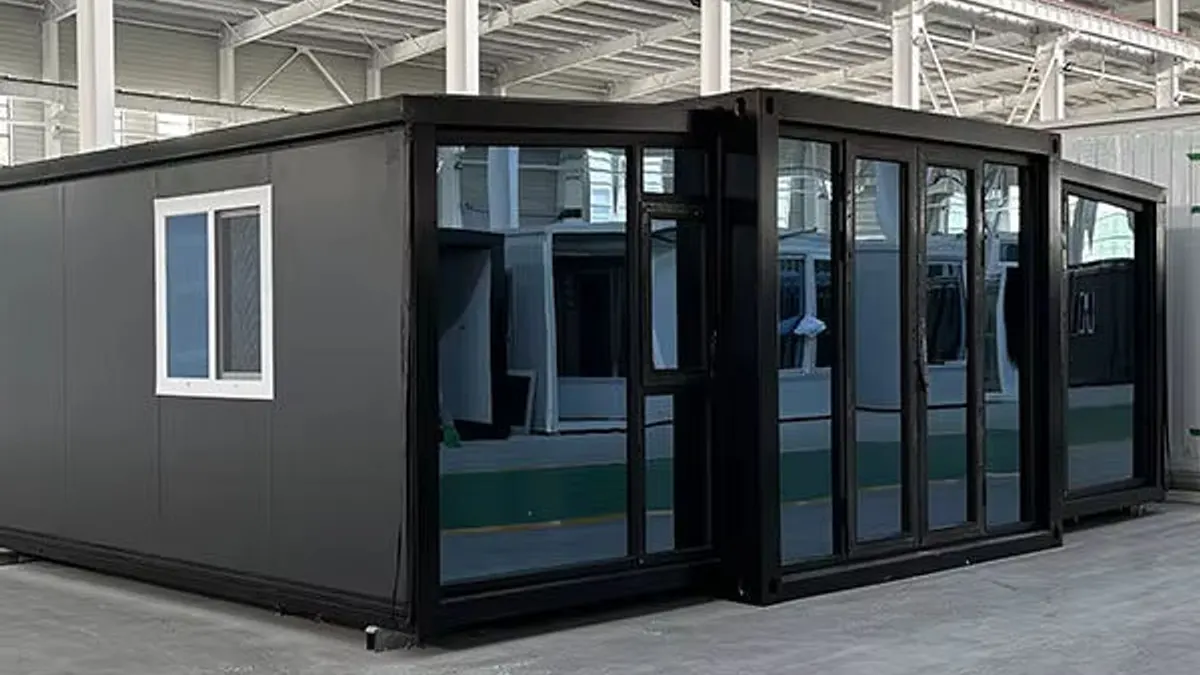
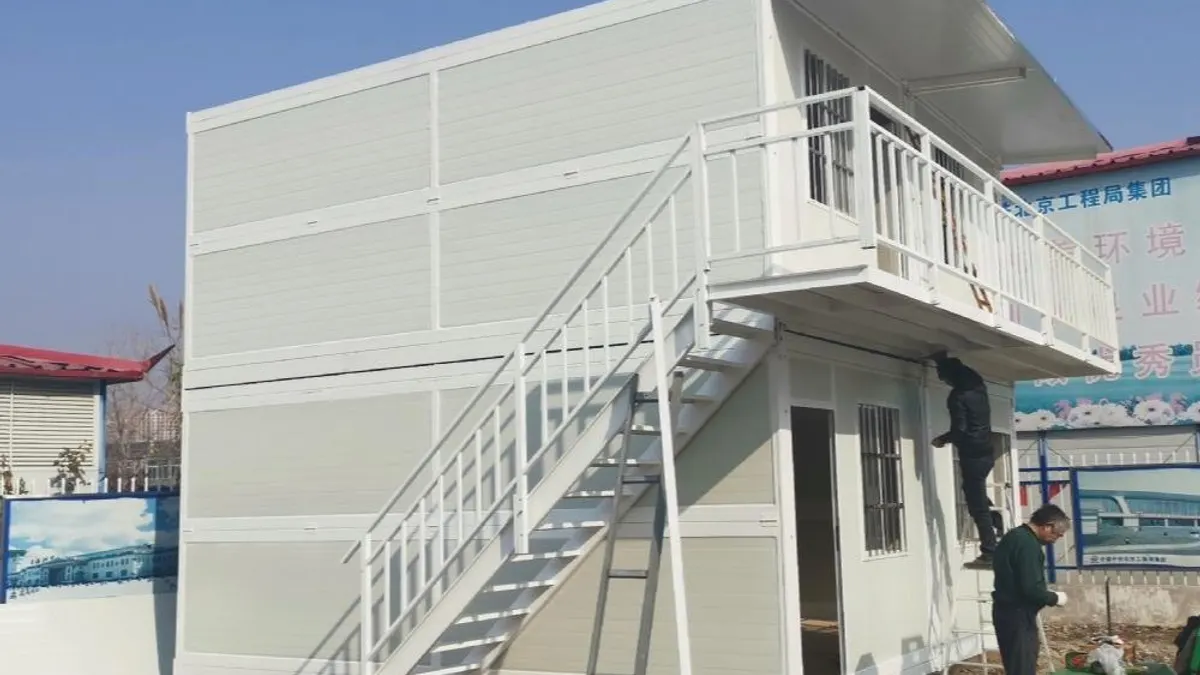
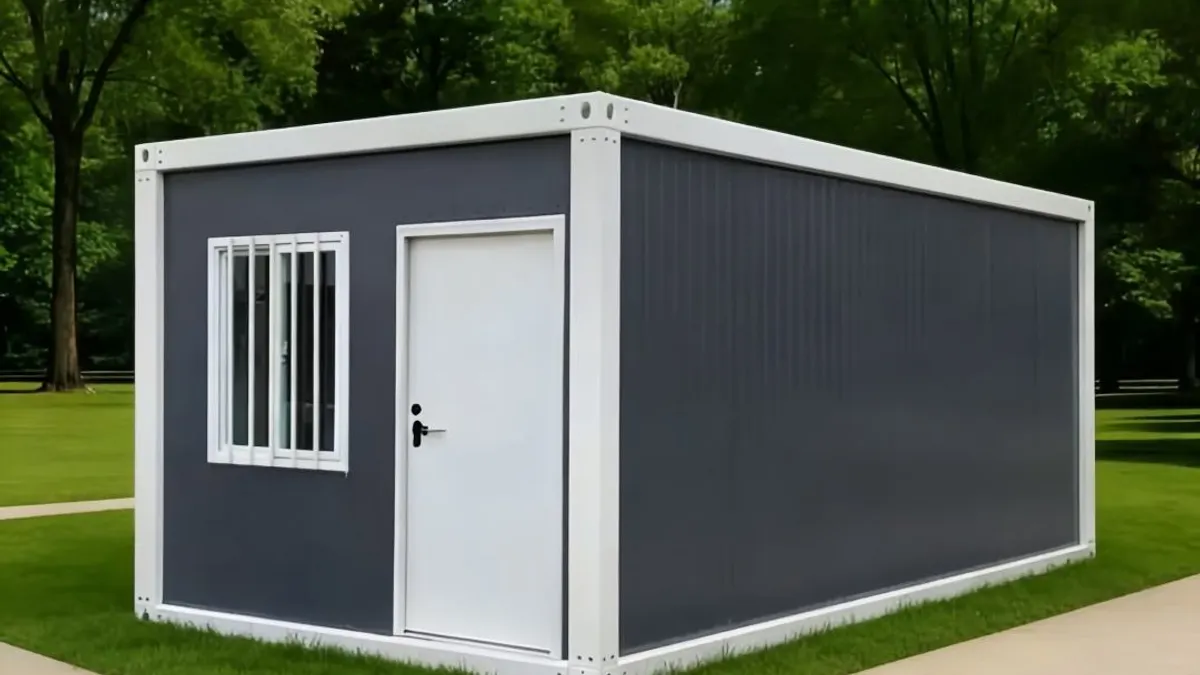
Iconic hospitality buildings do not build themselves. Before the permanent pieces are complete, the site needs offices, changing rooms, canteens, sanitation, security, first aid, storage, workshops, and utility shelters. Those functions need to move as work fronts move.
Modular support units are useful because they can follow the sequence of the project. A unit serving one construction zone can later become an operations room, storage space, staff rest area, or contingency unit elsewhere on the mountain.
Cold comfort is a safety issue
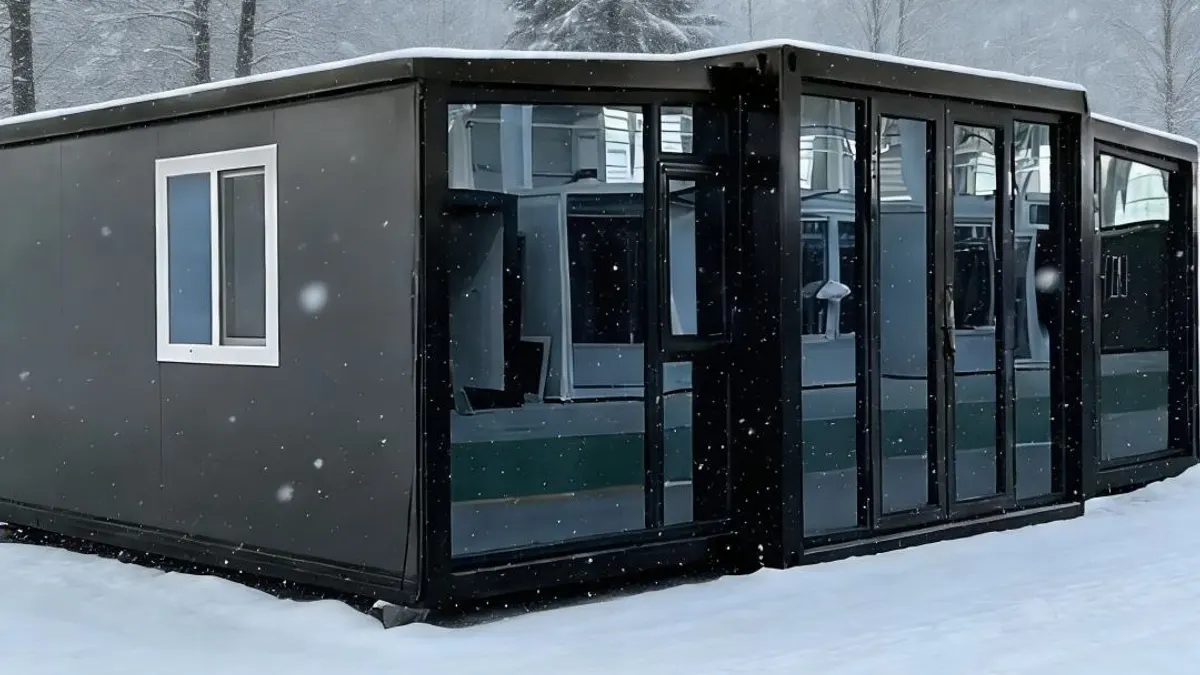
In mountain environments, comfort is not cosmetic. Heated rest areas, dry storage, protected entrances, stable power, and reliable sanitation affect productivity and safety. A worker who has nowhere to warm up, change, dry gear, or report an issue becomes part of the project risk.
The same logic applies after opening. Ski, trail, hospitality, and maintenance teams need practical rooms that are close enough to the work but not visible as clutter to visitors.
Slope sites need compact, legible layouts
Flat land forgives loose planning. Slopes do not. Every module location should consider vehicle turning, drainage, pedestrian safety, retaining needs, crane access, emergency routes, and the cost of moving the unit later.
A compact layout can reduce service travel and make the support zone easier to supervise. But compact should not mean cramped; snow, wind, equipment, and emergency access require breathing room.
Tourism operations continue after construction
Once the guest experience opens, the support need does not disappear. Mountain destinations require maintenance bases, patrol rooms, equipment storage, waste points, staff rooms, seasonal kiosks, clinics, and weather-related contingency space.
The best temporary assets are therefore designed with a second life in mind. A construction office may become a trail operations cabin. A medical unit may become seasonal first aid. A storage module may serve events or maintenance shutdowns.
A mountain support brief
A stronger brief should define elevation exposure, temperature range, wind, insulation, heating, snow or rain drainage, road access, transport dimensions, foundation assumptions, emergency response, and relocation phases. It should also define how each unit is protected from becoming permanent clutter.
That last point is important for destination quality. Temporary support should help the mountain operate, not erode the landscape experience.
The quiet infrastructure of spectacle
Visitors remember the dramatic view. Operators remember whether staff had a warm room, whether equipment stayed dry, whether power was reliable, and whether a clinic could be reached quickly.
For mountain tourism, the hidden support system is what allows a high-design destination to behave like a working place every day.